 العربية
 English
التعاون الحدودي بين تونس وليبيا: الأمن والتنمية في سياق التحولات الإقليمية

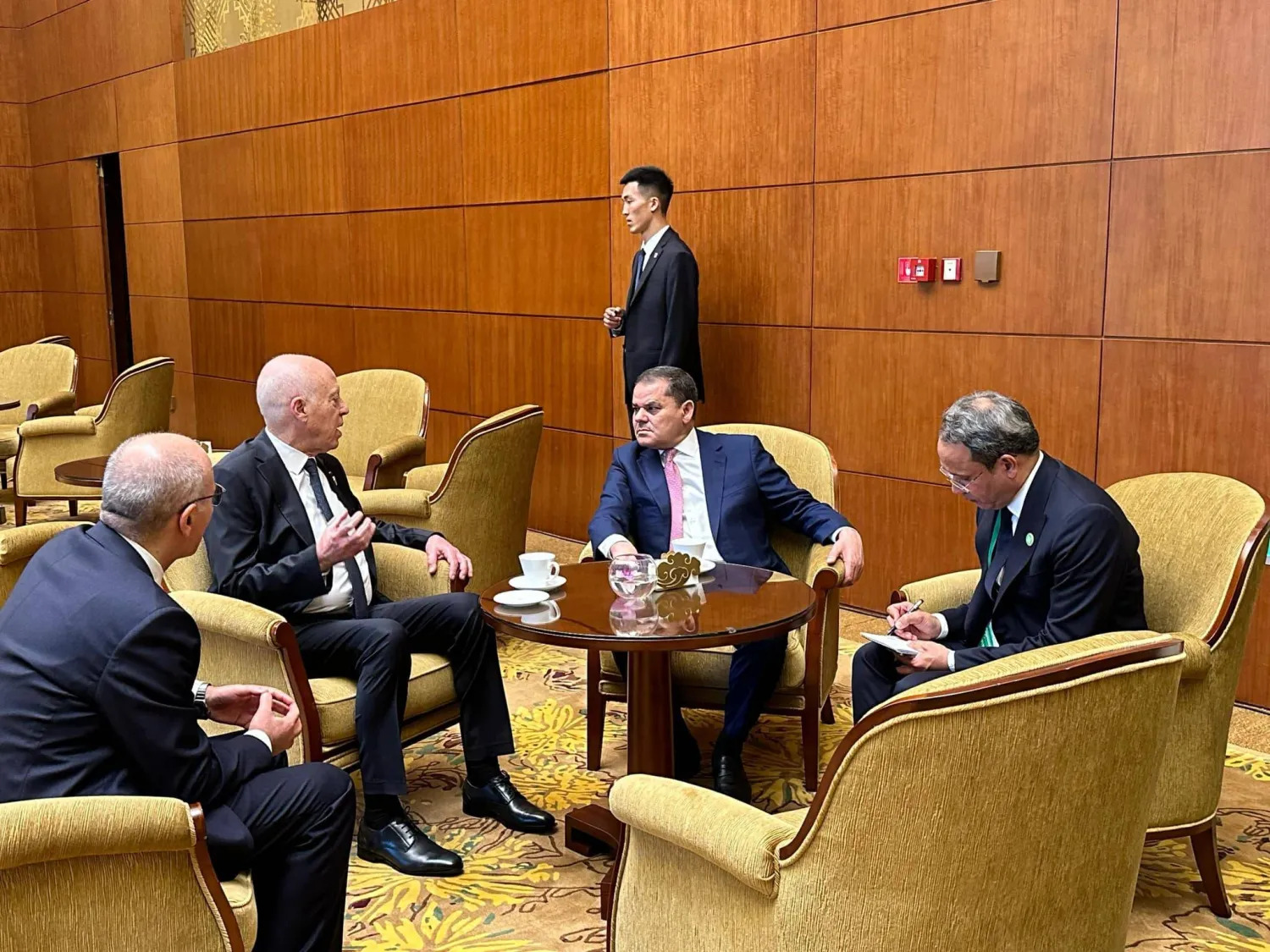
Tunisia is currently seeking to recalibrate its approach to managing its border with Libya by moving beyond a traditional security-focused strategy toward a broader framework that links security with economic development in border regions. This shift reflects efforts to promote stability in areas that have long been affected by security and economic challenges tied to smuggling and the informal economy.
According to official statements, Tunisia is attempting to draw lessons from its model of border cooperation with Algeria—an approach that combines security coordination with local development—in order to implement a similar framework in its relations with Libya. However, the success of this strategy will depend on several political and economic factors, most notably the stability of Libya’s domestic situation and the capacity of both countries to transform their border from a source of tension into a platform for regional economic integration.
The Tunisia–Libya Border: Geopolitics and Local Economies
The Tunisia–Libya border stretches for roughly 459 kilometres and constitutes a geographically and socially interconnected space. Border towns—most notably Ben Guerdane—have historically played a central role in local economies built around cross-border trade.
Following the collapse of state institutions in Libya after 2011, these areas became hubs for large-scale informal economic activity, with smuggling networks expanding to include fuel, consumer goods, and food products. For many local residents, such activities became a primary source of income. At the same time, they created significant challenges for the Tunisian state in terms of security oversight and tax regulation.
As security risks increased across the region over the past decade, Tunisian authorities recognized that relying solely on security measures was insufficient to manage the border effectively—particularly given the deep economic and social ties linking communities on both sides.
Border Security and the Evolution of Tunisia’s Approach
Tunisia’s border policy toward Libya underwent a major shift after 2016, when the militant group Islamic State (ISIS) attempted to seize control of the border town of Ben Guerdane. The attack marked a turning point in Tunisia’s security thinking.
In response, the Tunisian government significantly reinforced its military presence along the border, declared a buffer zone, and constructed a large defensive trench system stretching hundreds of kilometres.
While these security measures helped contain immediate threats, they did little to address the economic and social drivers of illicit activities in border regions. As a result, Tunisia has increasingly adopted a broader strategy aimed at linking security measures with economic development.
One of the central elements of this approach is the establishment of free trade zones along the border to regulate cross-border commerce and integrate informal economic activity into formal economic structures.
Free Trade Zones as a Tool for Development and Stability
Many analysts argue that creating free trade areas at key border crossings—such as Ras Jedir and Dehiba–Wazen—could provide an institutional framework for regulating trade between the two countries.
On one hand, these zones could generate employment opportunities for residents of border regions that have historically faced high unemployment and economic marginalization. On the other hand, they could reduce the scale of the informal economy by incorporating local trading networks into the formal system.
Moreover, such zones could help attract joint Tunisian-Libyan investment in sectors such as logistics, regional commerce, and medical tourism.
However, the success of these initiatives will require strong institutional frameworks, including improved border management, streamlined customs procedures, and a more attractive investment climate.
Bilateral Economic Relations: Untapped Potential
Economic relations between Tunisia and Libya hold considerable potential, yet they have remained below their possible capacity due largely to Libya’s political instability.
Libya represents an important market for Tunisian goods and services, while Libyan visitors constitute a significant share of Tunisia’s tourism and medical tourism sectors. In return, Tunisia relies partly on Libya for energy imports, particularly oil and gas.
There are also promising opportunities for cooperation in emerging sectors such as renewable energy, healthcare services, and logistics, especially given the strategic geographic position of both countries between North Africa and the Sahel.
Nevertheless, these opportunities continue to face significant constraints, including Libya’s volatile political environment and recurring tensions over the management of border crossings.
Regional Competition and Its Implications
Economic relations between Tunisia and Libya are also shaped by growing regional and international competition for influence in Libya’s economy. Several external actors have strengthened their economic presence in Libya in recent years, which may limit Tunisia’s ability to fully capitalize on the Libyan market.
In response, Tunisia appears to be seeking a strategic repositioning through deeper economic engagement with Libya—not only on a bilateral basis but also as part of a broader vision aimed at positioning both countries as a gateway for trade with Africa.
This ambition has become particularly relevant amid the geopolitical transformations affecting North Africa and the Sahel, where economic development is increasingly viewed as an integral component of regional security strategies.
Social and Historical Dimensions of Bilateral Relations
Relations between Tunisia and Libya are also characterized by deep historical and social ties that extend beyond purely economic or political considerations. Cross-border interaction between local communities has existed for centuries and has been reinforced during periods of crisis.
Following the collapse of Libya’s political order in 2011, Tunisia played an important humanitarian and economic role by keeping its borders open to millions of Libyans fleeing violence. It also helped supply the Libyan market with essential goods during periods of severe shortages.
These social and economic links have helped sustain dense transnational networks of interaction that continue to shape relations between the two countries.
Tunisia’s efforts to strengthen border cooperation with Libya reflect a broader shift in how borders are understood and managed in North Africa. Rather than viewing borders solely as lines of security control, Tunisia increasingly sees them as spaces for development and economic integration.
The success of this approach will depend on several key factors, including political stability in Libya, improved governance of border crossings, and the mobilization of sufficient investment for the development of border regions.
If these challenges can be addressed, the Tunisia–Libya border could evolve from a persistent source of security concern into a driver of regional economic integration and stability, strengthening development prospects across North Africa and redefining the region’s role within broader regional economic networks.
اﻷكثر قراءة

Read also