Mojtaba Khamenei: From Unofficial Influence to the Leadership of the Islamic Republic

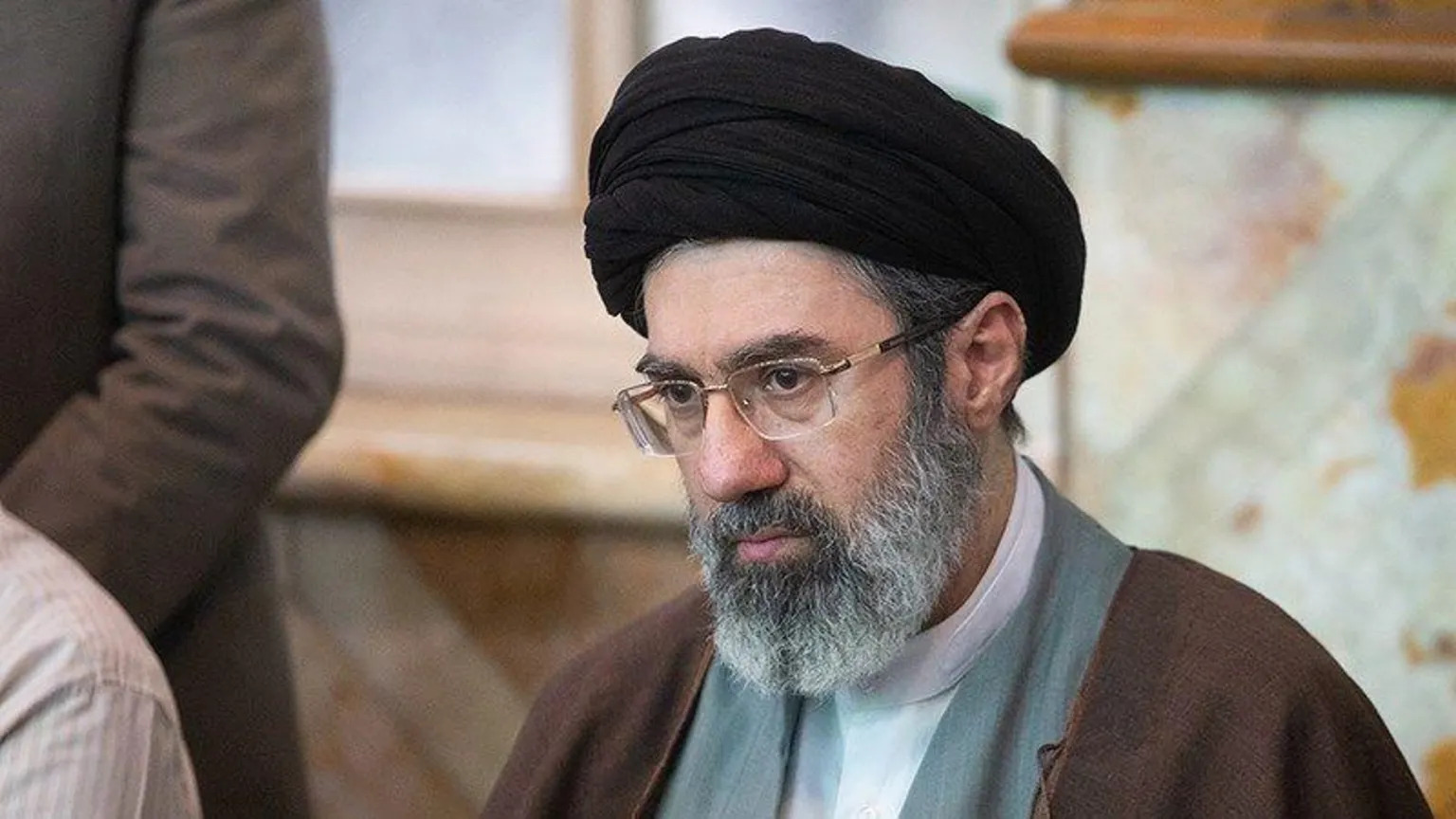
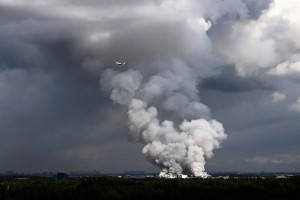
The announcement of Mojtaba Khamenei as Supreme Leader of the Islamic Republic of Iran, succeeding his father Ali Khamenei, has attracted significant attention in political and diplomatic circles. This transition of leadership occurred under exceptional circumstances following the killing of the former Supreme Leader in strikes attributed to the United States and Israel during the ongoing military confrontation involving Iran on one side and the United States and Israel on the other. The development has reignited questions about the future of Iran’s political system and the nature of power balances within it.
Mojtaba Khamenei’s rise to this position represents a pivotal moment in the history of the Islamic Republic, not only because of the security and political context surrounding the leadership transition, but also due to the controversy linked to his personal role within the Iranian system. Although he has never held official government positions, his name has for years been associated with analyses suggesting that he exercised indirect influence within certain centers of decision-making in the state.
mid the political, economic, and security challenges facing Iran, analyzing Mojtaba Khamenei’s background and his position within Iran’s power structure becomes particularly important for understanding the country’s next phase. This report aims to provide an analytical overview of his personality and political and religious trajectory, as well as to assess the challenges that his leadership may face within a highly complex regional and international environment.
Family Background and Political Upbringing
Mojtaba Khamenei was born on September 8, 1969, in the city of Mashhad, one of Iran’s most important religious centers. He is the second son of the former Supreme Leader Ali Khamenei and a member of a family that has played a prominent role in Iranian political life since the establishment of the Islamic Republic in 1979.
Mojtaba grew up in a deeply intertwined political and religious environment. His father was among the leading figures of the Islamic Revolution led by Ruhollah Khomeini. Following the revolution’s victory, Ali Khamenei held several prominent positions, including the presidency of Iran between 1981 and 1989, before becoming the Supreme Leader of the Islamic Republic.
This family environment provided Mojtaba with early exposure to the political and religious elites that shaped the structure of the Iranian system, helping form his understanding of power and the mechanisms through which the state operates.
Education and Religious Path
Mojtaba Khamenei received his secondary education at the Alavi School in Tehran, an institution known for educating the children of Iran’s political and religious elite. This educational path helped shape his intellectual background at an early stage.
In 1999, he moved to the city of Qom to continue his studies at the religious seminary (hawza), one of the most important centers of Shiite theological scholarship in the world.
His entry into the seminary at around the age of thirty was somewhat unusual compared with the traditional path of clerical students, who often begin their religious studies at a younger age. Since then, he has continued studying jurisprudence and Islamic legal theory and has become a mid-ranking cleric within the scholarly hierarchy of the seminary.
However, some observers have noted that media outlets close to centers of power in Iran have in recent years begun referring to him with the title “Ayatollah,” which some interpret as an attempt to elevate his religious standing amid discussions about the future leadership of Iran.
Military Experience and the Impact of War
During the Iran–Iraq War, Mojtaba Khamenei reportedly served in the military for limited periods when he was seventeen years old, according to Iranian media sources.
The war represented a defining experience in Iran’s modern political history, contributing to the strengthening of military institutions—particularly the Islamic Revolutionary Guard Corps—within the country’s political structure.
Some analysts believe that this experience helped shape Mojtaba Khamenei’s views on national security and foreign policy, especially in the context of Iran’s long-standing tensions with Western countries.
Informal Political Influence
Despite his absence from official government positions, many political analyses suggest that Mojtaba Khamenei has acquired notable influence within certain centers of power inside the Iranian system.
U.S. diplomatic cables published by WikiLeaks indicated that Mojtaba was regarded in some circles as an influential figure operating behind the scenes within the Iranian establishment.
His relationships with certain religious and security circles, combined with his proximity to the Supreme Leader, are believed to have helped him build a network of connections within state institutions, granting him informal political influence over the years.
Political Controversy and Role in Elections
Mojtaba Khamenei’s name appeared more prominently in Iranian political debates during the 2005 presidential election, which was won by Mahmoud Ahmadinejad.
Reformist candidate Mehdi Karroubi accused Mojtaba of interfering in the electoral process through elements of the Islamic Revolutionary Guard Corps and the Basij.
Similar accusations resurfaced during the 2009 presidential election, which was followed by widespread protests known as the Green Movement. Several protesters and reformist politicians questioned the integrity of the election results, although these accusations were never officially proven.
Leadership Transition and the Debate Over Political Succession
Mojtaba Khamenei’s assumption of the position of Supreme Leader has sparked widespread debate regarding the nature of power transition within the Iranian political system.
According to Iran’s constitution, the Supreme Leader is selected by the Assembly of Experts, an elected clerical body responsible for appointing and supervising the country’s highest authority.
Some analysts argue that the appointment of the former Supreme Leader’s son raises questions about whether the system might be moving toward a form of political inheritance, which would theoretically contradict the founding principles of the Islamic Republic.
Others, however, note that Iran’s political structure is shaped by complex balances among religious, political, and military institutions, and that the leadership selection process may reflect consensus among these centers of power.
Most read