The Logic of Containment and the Limits of Power: Reading the Future of the Iran–Israel Confrontation

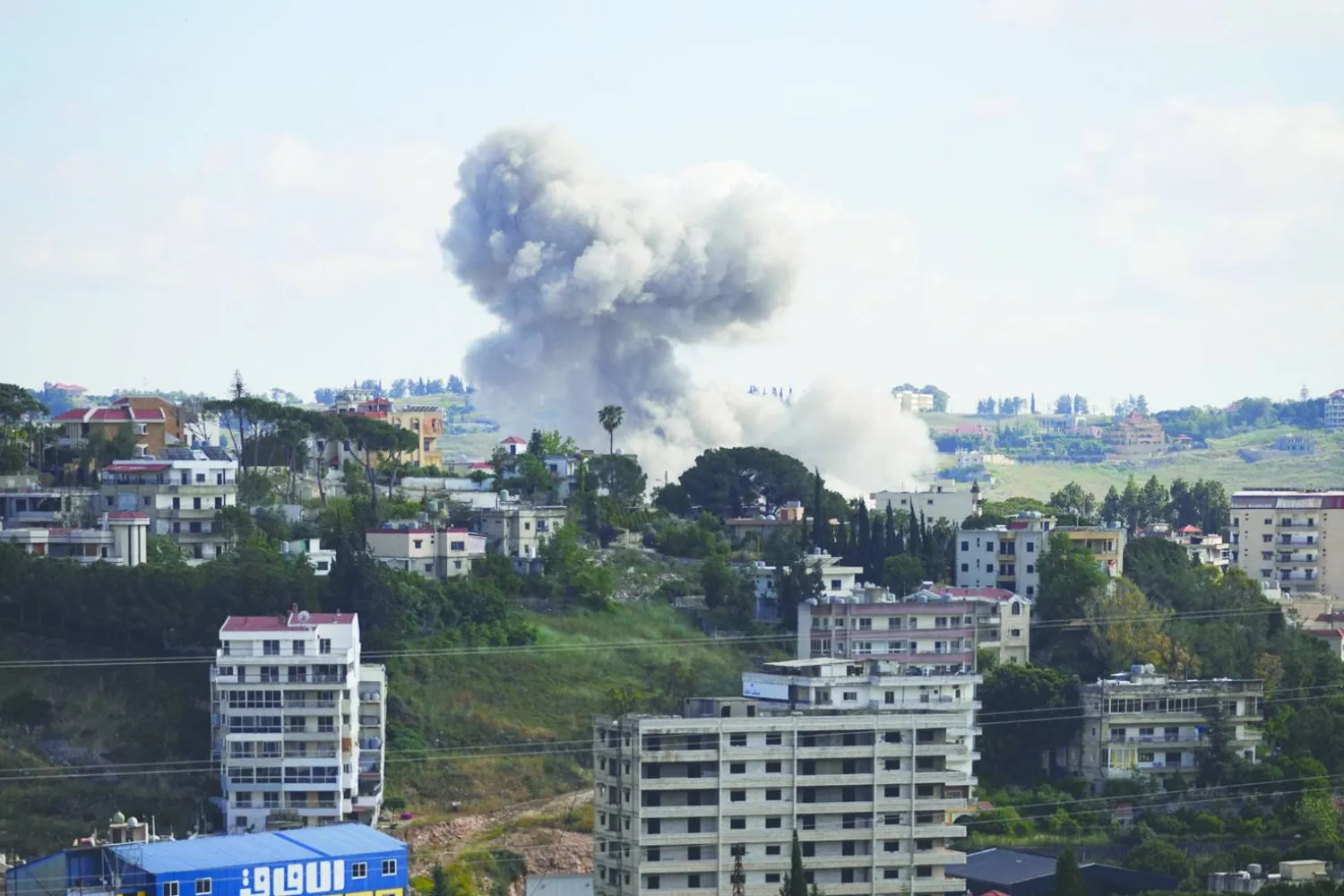
Recent developments surrounding the confrontation between Iran and Israel, along with reports of undeclared understandings or a “memorandum of understanding” aimed at containing escalation, reveal an important transformation in the nature of regional conflict in the Middle East. The situation no longer concerns merely a conventional war or a limited military confrontation, but rather a complex conflict shaped by deterrence calculations, international balance-of-power considerations, global energy security, and the future of regional influence for all parties involved.
Despite the highly escalatory rhetoric that accompanied the conflict, political and military indicators suggest that all sides have reached a shared conclusion: the continuation of open confrontation carries costs exceeding the ability of all parties—including the United States, Iran, and Israel—to bear.
The Limits of American and Israeli Power
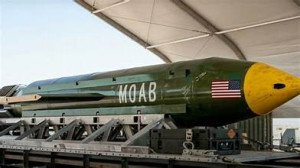
From the outset of the escalation, it became clear that the administration of Donald Trump sought to impose a new deterrence equation through severe strikes against Iran and its regional networks. Washington may have assumed that simultaneous military and economic pressure could force Tehran into strategic concessions—or perhaps even create internal fractures within the Iranian regime itself.
However, the course of the confrontation exposed the limits of this strategy. Despite the losses sustained by Iran, the regime showed no signs of collapse. Instead, it treated the escalation as a foreseeable scenario for which it had long prepared through the development of extensive missile and drone capabilities, as well as fortified underground facilities.
More importantly, Tehran succeeded in shifting the battle from its direct military dimension to its global economic dimension by threatening to close the Strait of Hormuz and jeopardize international energy security. This transformed global market stability into a priority that sometimes outweighed the military and political objectives of the war itself.
Israel, meanwhile, faced a different dilemma. Prime Minister Benjamin Netanyahu sought to complete his broader project of reshaping the regional security environment by decisively weakening Iran and its regional proxies. Yet the absence of a decisive outcome rendered the results less favorable than Israeli expectations, particularly given the survival of the Iranian regime and the continued existence of significant regional capabilities linked to it.
Iran Between Revolutionary Logic and State Logic
The current confrontation raises a critical strategic question within Iran itself: can the Islamic Republic continue to combine its transnational revolutionary project with the requirements of a modern nation-state?
For decades, Iranian strategy has been built upon expanding regional influence through support for local allies and the development of unconventional deterrence tools, which Tehran viewed as essential for protecting the regime and preventing its isolation. Yet the recent war also demonstrated that this approach carries mounting costs for both the Iranian economy and Iran’s regional and international image.
Moreover, the rhetoric of open confrontation with the West and Israel no longer necessarily produces the same political gains it once did, especially amid rising domestic economic pressures and growing public aspirations for stability, development, and economic openness.
Accordingly, one of the most important questions facing Iranian decision-makers today concerns the possibility of a gradual transition from the “logic of revolution” to the “logic of the state”—that is, from ideological expansionism and perpetual confrontation toward a more pragmatic policy based on regional coexistence and respect for international norms.
The International Dimension and the Rise of Regional Mediation
One of the most significant transformations revealed by the crisis has been the growing role of regional intermediary powers, particularly Pakistan, whose army chief Asim Munir emerged as one of the most prominent figures contributing to the political groundwork for de-escalation.
This role reflects a broader shift in the management of international crises, where major powers alone are no longer capable of imposing settlements. Instead, regional mediators possessing balanced relations with competing parties have become increasingly important.
In this regard, Pakistan benefited from its ability to maintain communication channels simultaneously with Washington, Beijing, Riyadh, and Tehran, granting it significant diplomatic maneuverability during a highly sensitive regional moment.
Toward “Mutual Containment” Rather Than Decisive Resolution
Current indicators suggest that the region is moving toward a model of “mutual containment” rather than a comprehensive final settlement. Neither the United States is capable of sustaining a long and costly war in the Middle East, nor can Iran endure unlimited economic and military attrition. Israel, despite its military superiority, also understands that reshaping the region through force alone remains an extraordinarily difficult undertaking.
Consequently, any future understandings will most likely focus on managing and regulating the conflict rather than ending it definitively. This means that the Middle East may be entering a new phase of fragile de-escalation—one that reduces the likelihood of major explosions but does not address the structural roots of the conflict.
Ultimately, no party appears to have emerged from this confrontation with a decisive victory. Everyone avoided total defeat, yet everyone also discovered the limits of their power and their inability to impose their will absolutely.
Most read



Read also