Israel Opposes as UN General Assembly Adopts Political Declaration on Pandemic Prevention

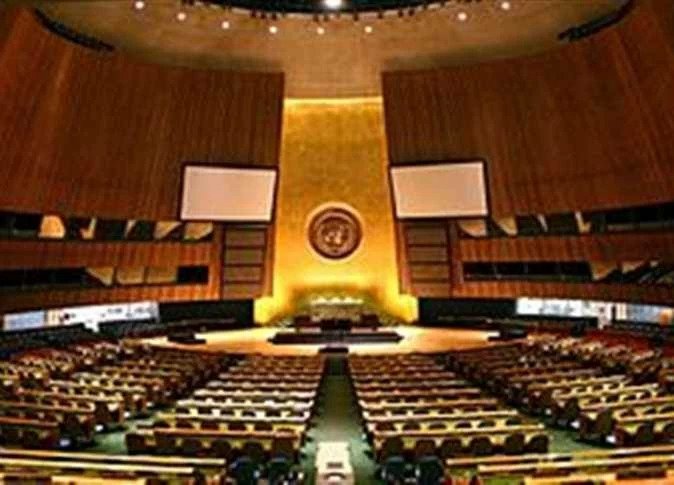
The United Nations General Assembly adopted the “Political Declaration on Pandemic Prevention, Preparedness and Response” by a vote of 153 countries in favor, with three countries—the United States, Argentina, and Israel—voting against it. New Zealand and Paraguay abstained.
The declaration was originally scheduled to be adopted by consensus during a high-level meeting held as part of the General Assembly’s general debate, following intergovernmental negotiations ahead of the meeting. However, the United States opposed the declaration, prompting its submission to the General Assembly for a vote.
In the declaration, heads of state and government and their representatives expressed concern that the world remains insufficiently prepared for future pandemics and needs to strengthen its capacity to prevent, prepare for, and mitigate their effects.
They stressed that pandemics require global leadership, cooperation, solidarity, and a commitment to multilateralism to ensure coordinated, timely, and effective science-based action. They also emphasized the need to prioritize equity and respect for human rights.
The need for such an international agreement has grown more pressing since the COVID-19 pandemic, which struck the world in 2019, claimed millions of lives, and inflicted severe damage on healthcare systems and the global economy.
The political declaration referred to the adoption of the World Health Organization’s pandemic agreement and the 2023 political declaration on pandemic prevention.
It is worth noting that the process for signing and ratifying the WHO Pandemic Agreement at the national level will not open until an annex on “Pathogen Access and Benefit-Sharing” has been finalized and adopted by the World Health Assembly, the WHO’s highest decision-making body.
Why Did the United States Oppose the Declaration?
Before the vote, the US representative stated that her country would not support the draft resolution adopting the political declaration, citing objections to several provisions. These included what she described as “language seeking to commit member states to international agreements they have not joined or processes that have not yet been completed.”
From the US perspective, this included references to the WHO Pandemic Agreement and the “unfinished” annex concerning pathogen access and benefit-sharing.
The US representative also expressed opposition to terminology relating to sexual and reproductive health, stating: “While we support strengthening health systems and protecting women’s health, we do not support references to sexual and reproductive health and ‘sexual and reproductive health services’ without safeguards.”
Key Provisions of the Adopted Political Declaration
Among the declaration’s principal provisions, some of which prompted reservations that prevented its unanimous adoption, are the following:
- The right to health: Reaffirming every person’s right, without discrimination, to enjoy the highest attainable standard of physical and mental health.
- Addressing inequalities in access to healthcare: Expressing concern over disparities at both national and international levels that have hindered access to health products, including vaccines, and recognizing the need to address serious shortcomings.
- Global cooperation in response to disease outbreaks: Recognizing that international disease outbreaks constitute a global threat with severe consequences for lives, livelihoods, communities, and economies, requiring cooperation and solidarity to deliver an effective, comprehensive, and equitable international response.
- The economic and social consequences of crises: Acknowledging that the COVID-19 pandemic, along with health and humanitarian emergencies, natural disasters, climate change, and conflicts, has strained macroeconomic conditions and fiscal capacity, particularly in developing countries. These crises have directly affected health and well-being while placing additional pressure on national pandemic prevention and preparedness efforts.
- Emerging diseases and disruptions to education: Expressing grave concern over the continued emergence of diseases that could develop into epidemics, as well as pandemic-related disruptions to education. The declaration emphasized the urgent need to mitigate learning losses and ensure that no child is left behind.
- Understanding the drivers of pandemics: Affirming that effective pandemic prevention requires understanding, monitoring, and addressing the factors that contribute to the emergence and spread of infectious diseases.
- Equitable sharing of benefits: Emphasizing the importance of rapid, fair, and equitable sharing of benefits arising from the provision of biological materials and genetic sequence information.
- National sovereignty over biological resources: Recognizing states’ sovereign rights over their biological resources while stressing the importance of collective action to reduce public health risks. The declaration also highlighted the need to encourage the sharing of materials and genetic sequence information relating to pathogens with pandemic potential.
- Supporting developing countries: Calling for assistance to developing countries in building expertise and capacity, drawing on lessons learned from technology transfer centers and intellectual property-sharing mechanisms.
- Sexual and reproductive health services: Calling for universal access to sexual and reproductive healthcare services by 2030, including services for family planning, and for the integration of reproductive health into national strategies and programs.
- Inclusive decision-making: Emphasizing the need to involve women, young people, persons with disabilities, and older people in planning and decision-making. It also called for healthcare systems to ensure that services remain accessible to everyone during public health emergencies, including routine immunization and mental health services.
- Combating misinformation and stigma: Highlighting the importance of building trust and ensuring the exchange of accurate, evidence-based scientific information to counter misinformation, disinformation, and stigma.
Source: Al-Masry Al-Youm newspaper.
Most read




Read also