Filling the Diplomatic Vacuum: How the U.S.-Iran Conflict Has Reshaped Mediation in the Middle East

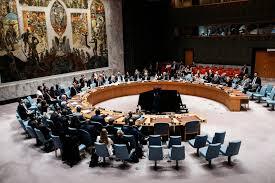
The military escalation between United States and Iran has redrawn the landscape of regional and international balances—not only in terms of military confrontation, but also regarding who possesses the capacity to manage crises and contain their repercussions. As the conflict’s impact on global energy security, maritime navigation, and international supply chains has widened, several states moved swiftly through diplomatic channels in an effort to reach understandings that could prevent a broader regional confrontation.
What stands out in this latest round of mediation efforts is not merely the search for de-escalation, but the identity of those leading it. Unlike previous crises, where major powers or international institutions dominated diplomatic initiatives, a new group of regional actors—such as Pakistan, Egypt, and Turkey—has emerged as more visible and effective mediators.
Why Have These Regional Actors Risen?
This shift reflects a growing recognition that mid-sized regional states possess the flexibility and interconnected relationships necessary to communicate with rival parties. They are neither hegemonic powers that provoke strategic sensitivities, nor marginal actors lacking influence.
These states also have a direct stake in halting escalation. Wars in the Middle East rarely remain confined within national borders; their effects spill over into economic stability, domestic security, migration flows, and energy markets. For these countries, mediation is therefore not an altruistic endeavor or a moral commitment, but a practical instrument for protecting national interests.
Practical Models of the New Mediation Landscape
Recent years have provided multiple examples of this trend. Qatar hosted negotiations between the United States and the Taliban in 2020. Turkey played a significant role in facilitating talks between Russia and Ukraine in 2022. Meanwhile, Saudi Arabia hosted subsequent consultations and prisoner exchange efforts.
These precedents have increased the diplomatic capital of regional states and reinforced the perception that crisis management is no longer the exclusive domain of Washington, Brussels, or Moscow.
The Retreat of Traditional Powers
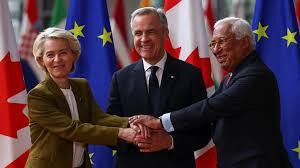
By contrast, the role of the European Union appears limited compared with its prominent position during negotiations over the 2015 Iranian nuclear agreement. This reflects Europe’s declining ability to act independently, particularly amid complicated relations with the administration of Donald Trump and diverging transatlantic views on managing international crises.
Western divisions have also weakened the traditional camp’s ability to present unified initiatives, opening space for more pragmatic and geographically proximate regional actors to step forward.
The Crisis of Confidence in Washington as Mediator
One of the most notable shifts is the erosion of the United States image as a credible mediator in the Middle East. Unconditional American support for Israel during the Gaza war, followed by direct involvement in confrontation with Iran, has strengthened the perception that Washington is more a party to regional conflicts than an honest broker among them.
Moreover, reliance on figures with business backgrounds rather than diplomatic expertise in handling sensitive files has further weakened regional confidence in the effectiveness of the American negotiating track.
Why Does This Matter for Egypt?
For Egypt, any regional escalation has direct economic consequences—whether through disruptions to tourism, declining revenues from the Suez Canal, or crises in gas supplies coming from Israel. Cairo’s engagement in mediation efforts is therefore inseparable from considerations of national security and economic stability.
Conclusion
The U.S.-Iran conflict reveals that the Middle East’s regional order is entering a new phase in which the dominance of traditional mediators is receding, while emerging regional actors move to fill the diplomatic vacuum. If this trend continues, the coming years may witness a more pluralistic diplomatic order in which regional capitals—not only global powers—play the central role in shaping settlements and managing strategic balances.
Most read


Read also