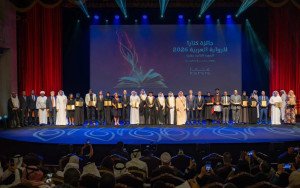


Digital Culture: From Elites to Algorithms — How Platforms Have Reshaped Cultural Production, Reading, and Stardom
Over the past decade, the cultural sphere has undergone a profound structural transformation that extends beyond publishing tools and distribution channels to the very logic of cultural production, mechanisms of recognition, and the formation of public taste. With the rise of major digital platforms, traditional cultural institutions—publishing houses, newspapers, magazines, and festivals—are no longer the sole or central actors determining what is produced, read, and watched.
Algorithms have moved to the forefront as decisive intermediaries: invisible systems that organize content flows and reorder cultural priorities according to the logic of engagement and attention rather than classical standards of value and significance.
First: The Transformation of Cultural Mediation
From Editorial Judgment to Recommendation Logic
Historically, cultural mediation was governed by a clear set of actors—editors, critics, juries, and institutions that possessed symbolic authority. This system naturally produced a selective and slow-moving culture, yet it ensured accumulation and continuity.
Today, digital platforms rely on algorithmic recommendation systems that rank content based on quantitative indicators, most notably:
-
Time spent engaging with content
-
Number of shares and comments
-
Speed of dissemination
-
Users’ previous behavior
Technology companies’ data indicate that the overwhelming majority of content reaches users through automated recommendations rather than direct search or conscious selection. Cultural “choice authority” has thus shifted from human agents to computational systems driven primarily by commercial objectives.
Second: The Reshaping of Cultural Production
1. A Shift in Form and Temporality
Platform policies have encouraged content that is:
-
Short
-
Fast-paced
-
Instantly consumable
Behavioral analyses show that content failing to generate engagement within the first seconds quickly loses visibility. This reality has affected:
-
Narrative styles
-
Text length
-
Even the nature of chosen topics
2. Producers Adapting to the Algorithm
An increasing number of writers, artists, and creators now:
-
Reformat their work to fit discovery mechanisms
-
Favor “algorithm-safe” topics
-
Replicate successful formulas instead of long-term experimentation
While this adaptation has produced unprecedented output volume, it has also raised questions about diversity, innovation, and cultural independence.
Third: Reading Patterns in the Digital Environment
Digital reading is no longer a direct extension of print reading; it constitutes a distinct practice in terms of:
-
Attention span
-
Reception modes
-
Relationship with text
International studies indicate that:
-
Average attention to digital content has dropped to under ten seconds
-
Smartphones have become the primary platform for consuming knowledge and culture
At the same time, platforms have expanded access and fostered new forms of learning—such as video reviews, educational podcasts, and short explanatory content. This raises a central question:
Are we witnessing a decline in reading depth, or merely a transformation of its mediums?
Fourth: Cultural Stardom in the Platform Age
Digital platforms have redefined cultural fame. Where recognition once emerged from long institutional pathways, it is now possible for:
-
A new cultural figure to rise within days
-
A single piece of content to transform a creator’s trajectory
Industry data from music and publishing show that a substantial share of commercially successful works in recent years gained their initial visibility through platforms.
Yet this form of stardom is marked by:
-
Rapid ascent
-
Fragile longevity
-
Heavy dependence on algorithmic shifts
Placing cultural actors in an unstable equation between reach and quality.
Fifth: The Digital Cultural Economy
Despite common rhetoric about “platform democracy,” data reveal that:
-
A small minority of producers capture most revenues
-
The majority operate under unstable income conditions
Economically, platforms have:
-
Lowered entry barriers to cultural production
-
While intensifying revenue concentration among a few
This raises critical concerns about cultural equity and the protection of non-commercial or slow-spreading creative work.
Sixth: Features of the Arab Digital Context
In the Arab world, digital transformation intersects with:
-
A large youth population
-
Intensive platform use
-
Weak traditional cultural institutions in some settings
This has led to:
-
The emergence of new cultural actors outside institutional frameworks
-
The spread of simplified cultural content on history, language, and identity
Yet major challenges persist, including:
-
The absence of coherent digital cultural policies
-
Fragile funding structures
-
The risk of reducing culture to light entertainment format
Conclusion
Digital platforms have not eliminated cultural institutions, but they have fundamentally altered the conditions of their influence. Algorithms have not necessarily produced a “better” or “worse” culture; rather, they have reordered priorities according to metrics of attention and quantification.
The key challenge facing policymakers, researchers, and cultural institutions lies in:
-
Understanding algorithmic logic
-
Developing intelligent intervention tools
-
The central question is no longer whether to resist platforms—but how to rebuild the role of public culture within an environment governed by algorithms.
-
Protecting cultural diversity without reverting to paternalistic control
Keywords:
الثقافة الرقمية
الخوارزميات
Most read

Free opinions
Why Minnesota May Matter More Than Iran for America’s Future

Culture
Sinai: Braids of Hope and Pain: A Reading in the Thought of Gamal Hamdan

Studies and research
Adib Ishaq: An Enlightened Mind and a Voice of the Arab Nahda (1856–1885)
Analysis
Could Canada Join the European Union? A Legal and Geopolitical Reading of the Limits of European Membership