

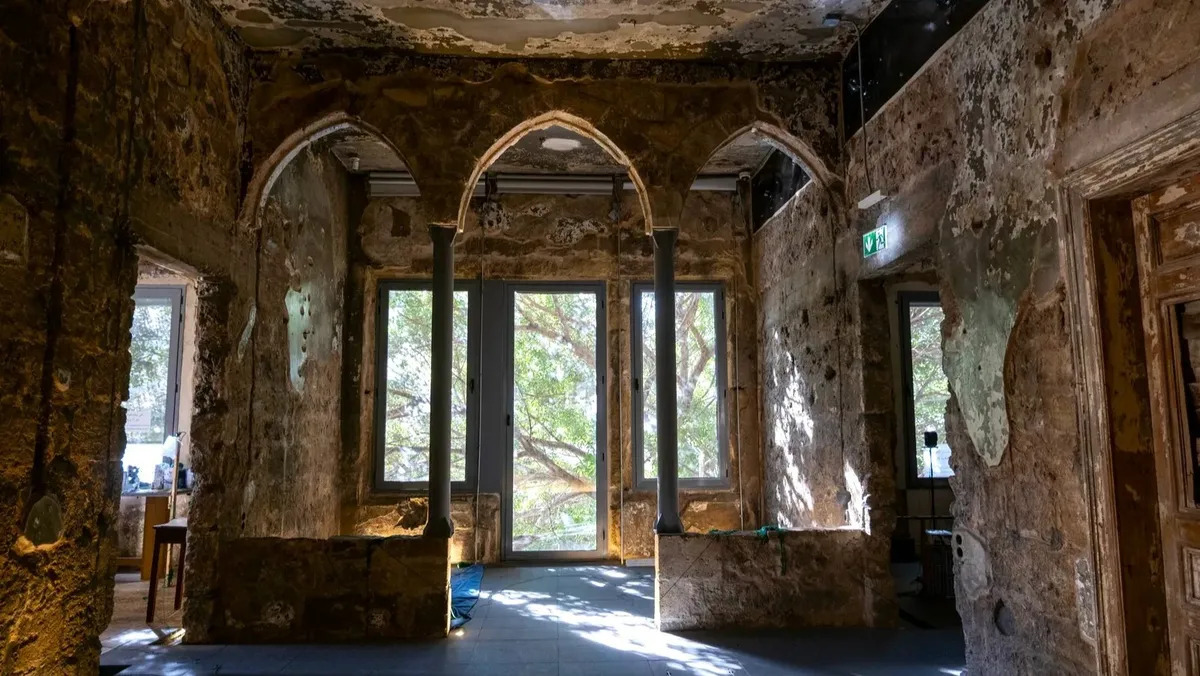
The United Nations Educational, Scientific and Cultural Organization (UNESCO) has granted enhanced protection to 39 cultural and historical sites in Lebanon, in a move aimed at safeguarding the country’s cultural heritage amid the ongoing war. The decision came in response to an official request by the Lebanese government seeking international support to protect vulnerable archaeological and heritage sites.
The announcement followed an extraordinary meeting of UNESCO’s Committee for the Protection of Cultural Property in the Event of Armed Conflict. During the session, the committee approved the inclusion of the Lebanese sites under the highest level of international protection and authorized emergency financial assistance exceeding $100,000 to support urgent protection measures on the ground.
Under the decision, the sites receiving enhanced protection will benefit from technical and financial support as well as reinforced legal safeguards designed to prevent their targeting or use for military purposes. The measures include the development of risk-management and emergency response mechanisms, along with specialized training programs for professionals working in the cultural heritage sector in coordination with relevant cultural and military institutions.
In an official statement, UNESCO emphasized that the 39 cultural sites now enjoy the highest level of international legal protection. The organization warned that any attacks against these sites or their use for military purposes would constitute a serious violation of the 1954 Hague Convention for the Protection of Cultural Property in the Event of Armed Conflict and its 1999 Second Protocol, potentially giving rise to criminal liability under international law.
The initiative forms part of a broader series of emergency measures undertaken by UNESCO to protect cultural heritage in conflict-affected areas across the Middle East since the outbreak of the recent war. The organization is working closely with Lebanon’s Ministry of Culture and the Directorate General of Antiquities to support efforts to safeguard archaeological collections and ensure the secure preservation of museum holdings across the country.
At the same time, UNESCO is employing satellite monitoring to assess the condition of heritage sites and document damage that may have occurred. These monitoring operations are conducted in partnership with the United Nations Satellite Centre (UNITAR/UNOSAT), which provides imagery and analytical data to help identify damage and guide urgent protection and restoration efforts.
According to the organization, monitoring teams have so far confirmed damage to the Lebanese city of Tyre, which has been listed as a UNESCO World Heritage Site since 1984, as well as to other heritage sites in neighboring countries.
UNESCO, which currently counts 194 member states, oversees an extensive global network that includes more than 2,000 World Heritage Sites, biosphere reserves, and global geoparks, in addition to international programs dedicated to creative cities, inclusive and sustainable education, and the protection of cultural and natural heritage worldwide.
Most read