 العربية
 English
British Courts Seize the London Headquarters of an Iranian Oil Company

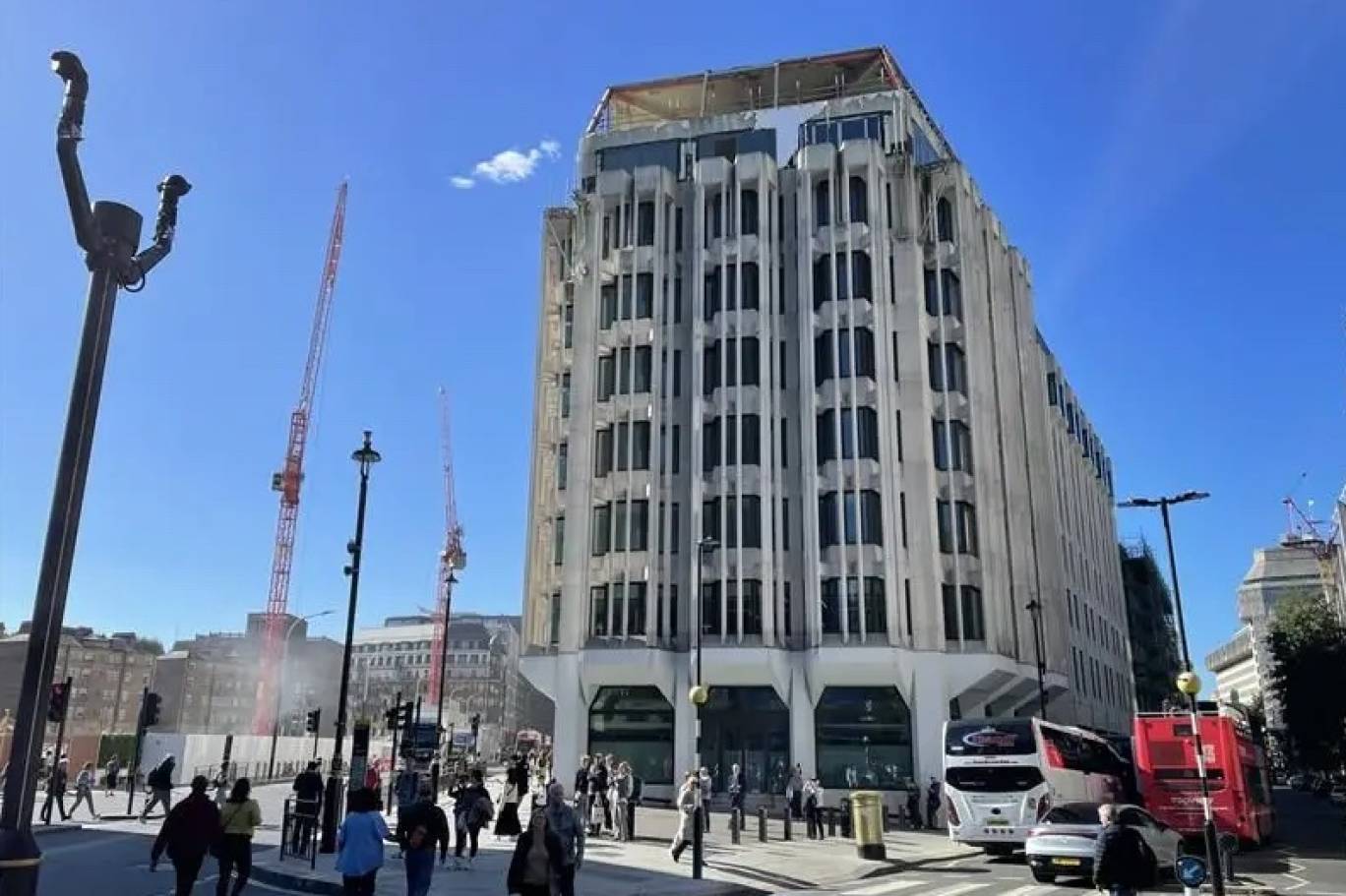
The UK Court of Appeal has issued a final ruling ordering the seizure of the London headquarters of the National Iranian Oil Company (NIOC), an asset valued at approximately £100 million ($135 million), in enforcement of an international arbitration award requiring Iran to pay up to $2.4 billion in compensation to the UAE-based Crescent Petroleum.
The UK Court of Appeal has issued a final ruling ordering the seizure of the London headquarters of the National Iranian Oil Company (NIOC), an asset valued at approximately £100 million ($135 million), in enforcement of an international arbitration award requiring Iran to pay up to $2.4 billion in compensation to the UAE-based Crescent Petroleum.
The confiscated building — known as the “NIOC House” — is located in a strategic area near the British Parliament in London. Constructed in 1975 during the reign of Iran’s last shah, Mohammad Reza Pahlavi, it served as the company’s main European headquarters and remains a striking architectural landmark inspired in part by the nearby Westminster Cathedral.
Ownership remained with the Iranian government for nearly five decades before the property became subject to legal seizure proceedings.
Mounting Diplomatic and Economic Pressure on Iran
The ruling comes as Iran faces growing diplomatic isolation amid stalled nuclear negotiations and the reimposition of international sanctions last month — further straining an economy already suffering from liquidity shortages and collapsing foreign investment.
While the dispute with Crescent Petroleum dates back more than twenty years, the British court’s decision adds a political dimension to Tehran’s external pressures, reflecting declining confidence in Iran’s contractual reliability and commercial credibility in global markets.
Legal Background of the Dispute
The case stems from a 2001 agreement between Crescent Petroleum and NIOC to supply roughly 500 million cubic feet of natural gas per day from the offshore Salman gas field in the Arabian Gulf.
Political infighting and bureaucratic obstruction inside Iran prevented implementation, prompting Crescent to pursue international arbitration. The tribunal issued multiple rulings ordering Tehran to pay substantial damages.
In an apparent attempt to evade enforcement, NIOC transferred ownership of the London property to an oil-sector pension and healthcare fund — a move British courts described as a “legal maneuver” intended to block asset seizure.
The Appeals Court Decision
The Court of Appeal rejected challenges filed by Iran and the pension fund, ruling that evidence presented to prove alternative ownership was legally insufficient.
The seizure is now final, although Tehran may attempt a last appeal to the UK Supreme Court — a process that could take up to two years.
The ruling represents a major legal victory for Crescent Petroleum, which has spent years tracking Iranian assets across Europe to enforce arbitration awards. Earlier this year, a Dutch court seized another NIOC building in Rotterdam in the same case.
Economic and Legal Implications
The decision delivers a significant blow to Iran’s efforts to shield overseas assets and underscores the effectiveness of international commercial arbitration mechanisms against state non-compliance.
It also highlights systemic challenges facing Iranian state companies abroad, where politicized economic management and government interference have repeatedly produced high-profile legal disputes with foreign partners.
Observers warn that the accumulation of such cases — combined with renewed international sanctions — will deepen Iran’s economic isolation and further undermine its ability to attract investment or engage in long-term energy partnerships, particularly in Europe and Asia.
The seizure of Iran’s oil company headquarters in London marks more than a commercial enforcement action; it symbolizes a broader crisis of trust in Tehran’s adherence to international legal obligations.
As Iran continues to contest responsibility and resist compliance, international courts appear increasingly determined to build legal precedents against it — turning the Crescent Petroleum case into a textbook example of how political interference in economic governance can carry lasting global consequences.
Ownership remained with the Iranian government for nearly five decades before the property became subject to legal seizure proceedings.
Mounting Diplomatic and Economic Pressure on Iran
The ruling comes as Iran faces growing diplomatic isolation amid stalled nuclear negotiations and the reimposition of international sanctions last month — further straining an economy already suffering from liquidity shortages and collapsing foreign investment.
While the dispute with Crescent Petroleum dates back more than twenty years, the British court’s decision adds a political dimension to Tehran’s external pressures, reflecting declining confidence in Iran’s contractual reliability and commercial credibility in global markets.
Legal Background of the Dispute
The case stems from a 2001 agreement between Crescent Petroleum and NIOC to supply roughly 500 million cubic feet of natural gas per day from the offshore Salman gas field in the Arabian Gulf.
Political infighting and bureaucratic obstruction inside Iran prevented implementation, prompting Crescent to pursue international arbitration. The tribunal issued multiple rulings ordering Tehran to pay substantial damages.
In an apparent attempt to evade enforcement, NIOC transferred ownership of the London property to an oil-sector pension and healthcare fund — a move British courts described as a “legal maneuver” intended to block asset seizure.
The Appeals Court Decision
The Court of Appeal rejected challenges filed by Iran and the pension fund, ruling that evidence presented to prove alternative ownership was legally insufficient.
The seizure is now final, although Tehran may attempt a last appeal to the UK Supreme Court — a process that could take up to two years.
The ruling represents a major legal victory for Crescent Petroleum, which has spent years tracking Iranian assets across Europe to enforce arbitration awards. Earlier this year, a Dutch court seized another NIOC building in Rotterdam in the same case.
Economic and Legal Implications
The decision delivers a significant blow to Iran’s efforts to shield overseas assets and underscores the effectiveness of international commercial arbitration mechanisms against state non-compliance.
It also highlights systemic challenges facing Iranian state companies abroad, where politicized economic management and government interference have repeatedly produced high-profile legal disputes with foreign partners.
Observers warn that the accumulation of such cases — combined with renewed international sanctions — will deepen Iran’s economic isolation and further undermine its ability to attract investment or engage in long-term energy partnerships, particularly in Europe and Asia.
The seizure of Iran’s oil company headquarters in London marks more than a commercial enforcement action; it symbolizes a broader crisis of trust in Tehran’s adherence to international legal obligations.
As Iran continues to contest responsibility and resist compliance, international courts appear increasingly determined to build legal precedents against it — turning the Crescent Petroleum case into a textbook example of how political interference in economic governance can carry lasting global consequences.
اﻷكثر قراءة