
U.S. Trade Leverage After the Supreme Court Ruling: Can Trade Investigations Replace Tariff Policy?

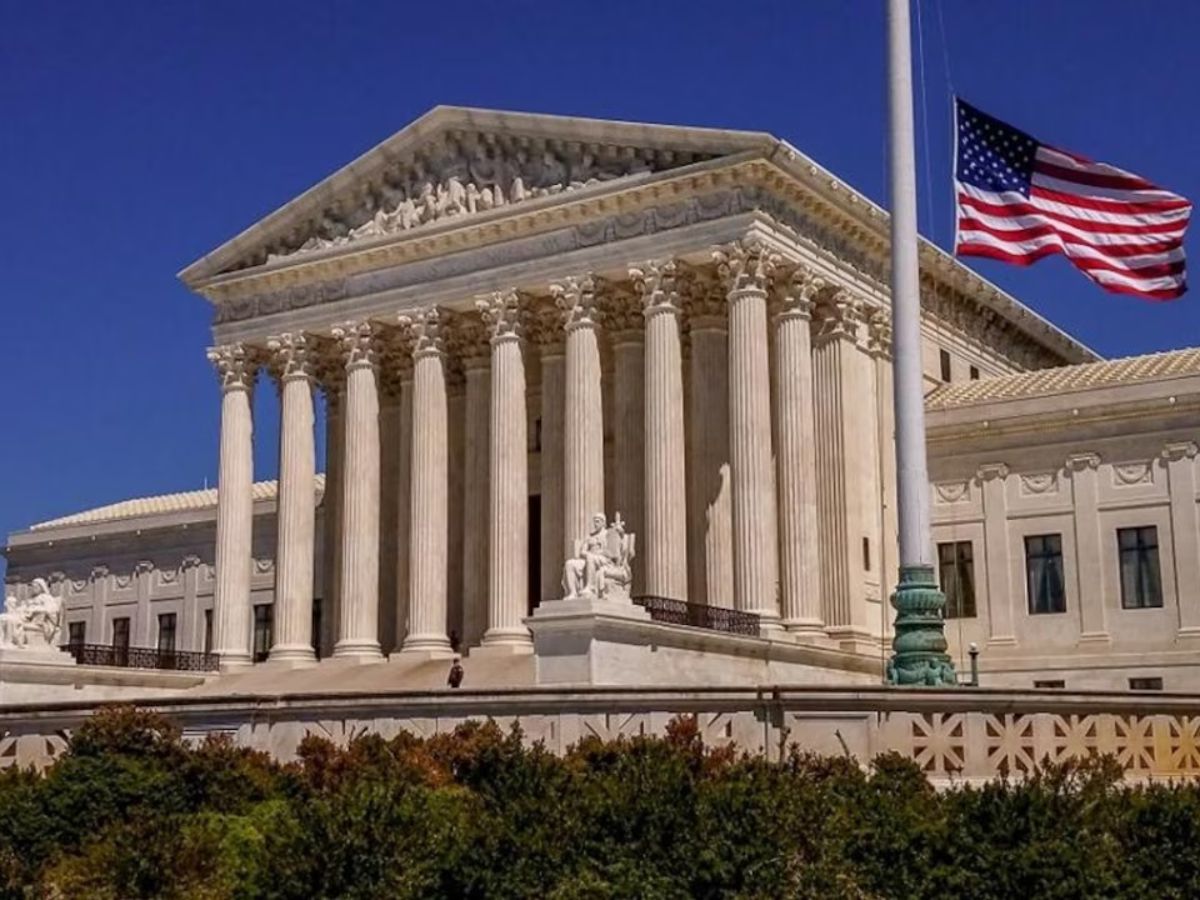
U.S. trade policy witnessed an important development following the Supreme Court’s ruling in February that restricted the president’s ability to impose tariffs under the International Emergency Economic Powers Act (IEEPA). The decision marked a turning point in the trade leverage tools the U.S. administration had recently relied upon to conclude trade agreements with a number of international partners.
Over the past two years, Washington used sudden and significant tariff increases as a direct form of pressure to push trading partners toward negotiating new trade agreements. This approach accelerated the pace of negotiations in an unprecedented way, enabling the United States to reach several agreements with various countries within a relatively short period.
However, the Supreme Court’s ruling has raised questions about the future of this strategy and whether the U.S. administration can maintain its trade leverage without the tool that had become a central pillar of its negotiating strategy.
Tariffs as a Tool of Trade Leverage
The United States has long sought to address foreign trade barriers through multilateral or bilateral negotiations. Yet these efforts often faced significant obstacles, particularly when it came to reducing high tariffs or removing non-tariff barriers that restrict trade in many sectors.
For example, for many years the United States attempted—through the World Trade Organization (WTO)—to encourage several emerging economies to reduce their high tariff rates, but these efforts yielded limited results. This deadlock contributed to the declining influence of the WTO in governing the global trading system.
Against this backdrop, high tariffs emerged as a direct pressure tool to push trading partners toward making concessions during negotiations. This approach enabled the U.S. administration to achieve rapid progress in some trade negotiations, benefiting from the significant impact tariffs can have on industries and markets in partner countries.
Implications of the Supreme Court Decision
The Supreme Court’s ruling significantly limited the administration’s ability to use IEEPA as a legal basis for imposing tariffs, representing an important constraint on executive authority in trade policy.
Following the ruling, the remaining option involved temporary tariffs under Section 122 of the Trade Act of 1974, a mechanism that is limited in duration and can only be applied for a short period without congressional approval. This development raised questions about whether the United States had lost one of its most effective sources of leverage in trade negotiations.
Despite these legal constraints, U.S. trading partners have not shown clear signs of abandoning previously negotiated agreements. Negotiations with several countries have continued, although some partners have adopted a more cautious approach as they reassess the new legal landscape.
Trade Investigations as a “Plan B”
In light of the new limitations, the U.S. administration appears to be shifting toward the use of Section 301 of the Trade Act of 1974 as an alternative tool for addressing foreign trade barriers. This provision allows the U.S. government to launch formal investigations into trade practices deemed unfair and to impose retaliatory measures, including tariffs.
This mechanism has long been a traditional component of U.S. trade policy, having been used for decades even before the establishment of the WTO and continuing afterward. It grants U.S. trade authorities broad powers to address a wide range of foreign trade barriers.
However, this tool differs from tariffs imposed under emergency powers in that it requires a more structured legal and administrative process, including consultations, public comments, hearings, and the publication of investigation findings. As a result, it often takes longer before concrete measures can be implemented.
Opportunities and Limits of U.S. Trade Leverage
Despite the constraints introduced by the court ruling, the United States still possesses several tools to maintain its influence within the global trading system. In addition to trade investigations, the U.S. market remains one of the largest consumer markets in the world, providing Washington with significant negotiating weight in its trade relationships.
Nevertheless, the effectiveness of these tools will largely depend on how they are used. Excessive reliance on protectionist measures or aggressive trade threats could trigger retaliatory responses from trading partners, including counter-tariffs or the reintroduction of trade barriers.
Conversely, adopting a more predictable and rules-based approach may help stabilize international trade relations and reduce uncertainty in global markets.
Conclusion
The Supreme Court’s decision marks a new phase in the evolution of U.S. trade policy, requiring policymakers to reassess their negotiating tools within a more constrained legal framework.
In this context, trade investigations under Section 301 could serve as a practical alternative for maintaining a degree of leverage in international trade negotiations. However, the success of this approach will depend on the United States’ ability to strike a balance between applying trade pressure and preserving the stability of the global trading system.
As global economic transformations continue and competition among major powers intensifies, U.S. trade policy will remain a key factor shaping the future trajectory of the international economic order.
Most read



Read also