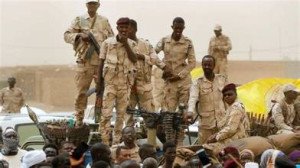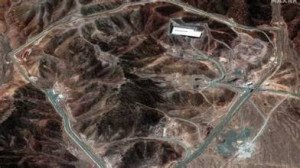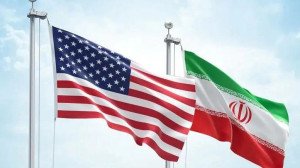

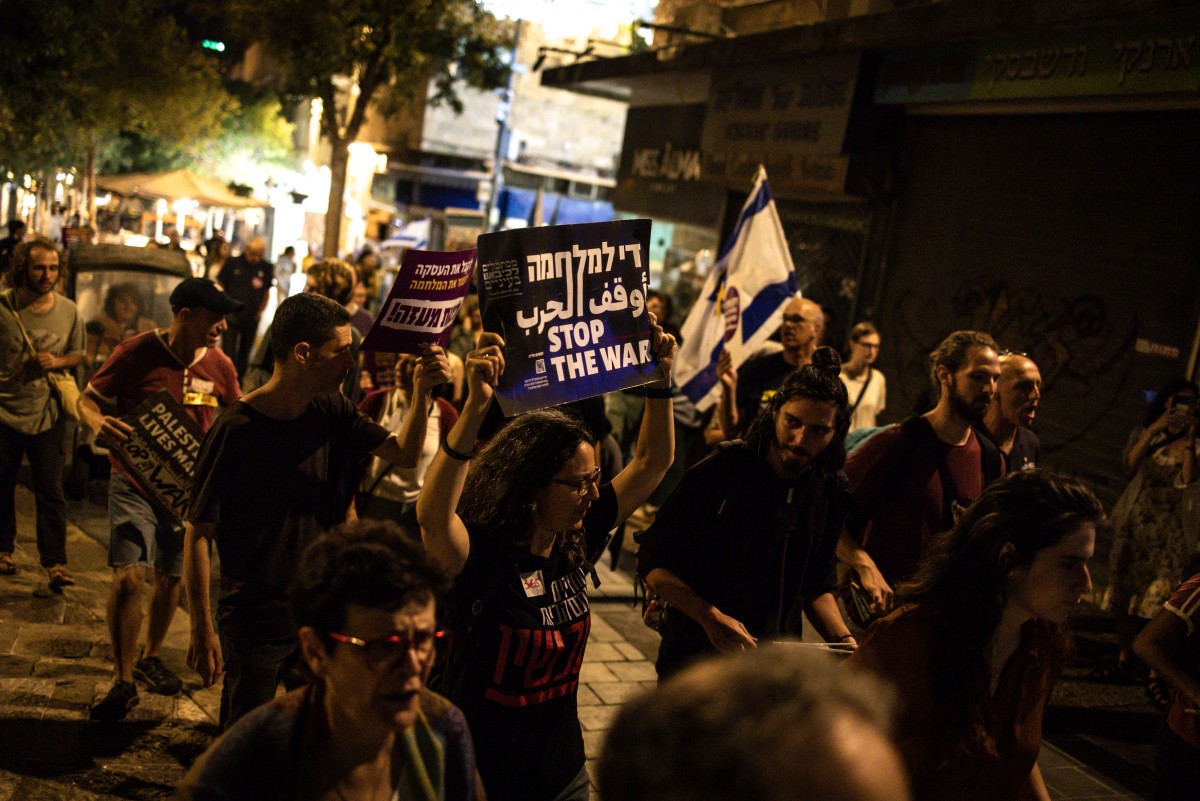
In modern warfare, battles are no longer decided solely on military fronts. They are increasingly fought within the media and digital spheres, where narratives have become instruments of power no less influential than missiles and fighter jets. Amid the escalating conflict between the United States and Iran, a parallel confrontation has emerged over controlling the narrative, shaping public opinion, and determining how the war is understood domestically and internationally.
At the center of this landscape stands the discourse of Pete Hegseth, which reflects a broader transformation in the relationship between political authority and the media. The issue is no longer limited to criticizing journalistic coverage or objecting to specific reports; rather, it represents a wider attempt to redefine the role of the media itself: should it function as an independent watchdog, or as an instrument expected to align with the “national narrative” during wartime?
The Media as a Political Adversary
Hegseth’s repeated statements toward the press reveal a clear tendency to portray critical journalism as an obstacle—or even a political adversary. This rhetoric coincided with measures within the Pentagon aimed at limiting some journalists’ access to information and military briefings, steps critics viewed as undermining press freedom and the public’s right to know.
What is striking is not only the substance of these criticisms but also the language through which they are expressed. When media coverage of fallen American soldiers is described as “politicized” or “damaging to the administration,” the debate shifts away from scrutinizing the war and its costs toward scrutinizing the media itself. In this sense, critical reporting is reframed from a legitimate democratic practice into an act portrayed as lacking patriotism.
This transformation carries implications far beyond a media dispute. It reflects a deeper restructuring of the relationship between political power and media institutions within the context of America’s growing polarization. Rather than viewing journalism as an independent intermediary between authority and public opinion, it is increasingly depicted as part of an internal political battlefield.
Language as a Tool of Mobilization
The influence of political discourse lies not only in its direct content but also in its linguistic structure. Hegseth has repeatedly relied on phrases such as “fake news,” “true patriots,” and “bad guys.” These expressions are not merely political slogans; they serve as framing devices that morally and politically divide the public sphere.
From the perspective of discourse analysis, such language constructs a sharp binary between the “good American” and the “suspect critic,” thereby delegitimizing dissent and critical scrutiny. Likewise, simplified labels such as “bad guys” reduce the complexity of regional conflict and the human consequences of war into an abstract moral framework that is easier to market politically.
The danger of this rhetorical pattern becomes even more apparent when war itself is reduced to financial or technical logic. Statements such as “it takes money to kill bad guys” do not merely reflect military mobilization rhetoric; they reveal a process through which war is stripped of its ethical and human dimensions and transformed into a matter of efficiency and cost.
From Traditional Media to the Digital Sphere
Yet controlling the narrative is no longer possible through traditional mechanisms alone. The digital age has created an open information environment in which governments, media institutions, audiences, and online platforms continuously interact. This became evident in the widespread reactions to Hegseth’s rhetoric across social media and satirical programs such as The Daily Show, where attempts at narrative control were portrayed as forms of “rewriting history” reminiscent of George Orwell’s dystopian concept of the “Ministry of Truth.”
These reactions reveal a major shift in the nature of media power. Audiences are no longer passive recipients of official messaging; they have become active participants in interpreting, mocking, and redistributing it. Consequently, attempts to impose a single narrative can themselves become subjects of criticism and viral circulation, creating a paradox in which efforts at narrative control unintentionally expand the very debate they seek to contain.
Strategic Communication or Propaganda?
At the same time, this phenomenon cannot be understood outside the broader realities of wartime governance. Governments engaged in armed conflict have historically sought to preserve public morale, prevent panic, and protect operational security. From this perspective, efforts to shape media messaging may be interpreted as forms of “strategic communication” linked to war management.
The problem arises, however, when such communication evolves into efforts to delegitimize journalistic oversight or suppress critical inquiry. In democratic systems, the media is not supposed to function as a state mobilization apparatus but rather as an independent institution that ensures public debate remains open—especially regarding war and the use of force.
This is where the central question emerges: where does strategic communication end and propaganda begin? The distinction lies not only in content but also in the willingness of political authority to tolerate alternative narratives and independent criticism.
A Crisis of Trust Beyond the War
The deeper significance of these transformations lies not merely in their impact on coverage of the current conflict but in what they reveal about a broader crisis of trust in democratic and media institutions. When journalism itself becomes the target of constant accusations, and critical reporting is framed as unpatriotic, the informational foundations upon which modern democracy depends begin to erode.
This issue also carries an important international dimension. The United States has long portrayed itself as a defender of press freedom, yet it now faces growing questions about the credibility of that claim when some official practices resemble the forms of narrative control it often criticizes in rival states.
Ultimately, the U.S.–Iran conflict is being fought not only through missiles and military alliances but also through a continuous struggle over meaning, interpretation, and memory. The narrative itself is no longer peripheral to the conflict; it has become one of its most strategic battlegrounds, shaping not only how the war is understood today but also how it will be remembered in history.
Most read


Read also