
The Druze: A Comprehensive Exploration of Their History, Beliefs, and Contemporary Presence

By Khaled Khalil
Introduction
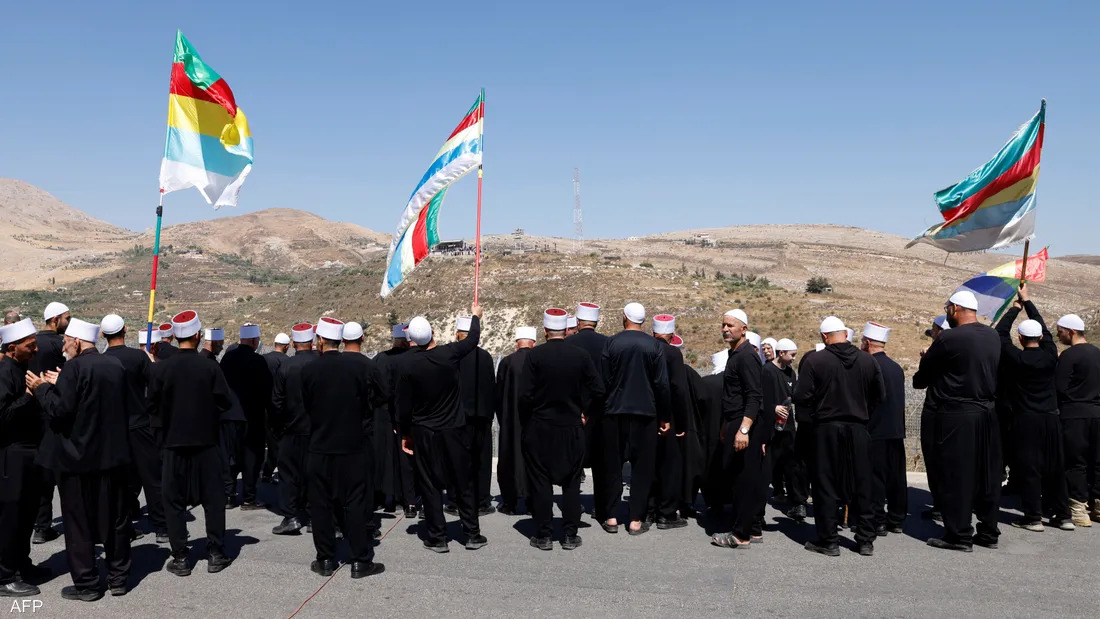
The Druze, a religious and ethnocultural minority concentrated primarily in the Levant, have long fascinated scholars and observers due to their distinctive beliefs and practices. This article offers an in-depth examination of Druze history, religious doctrines, and contemporary presence, while also highlighting key figures and symbols within their tradition.
Historical Origins
The origins of the Druze faith date back to the eleventh century with the emergence of a new religious movement influenced by Ismaili Shi'a Islam. The founding of the Druze doctrine is often associated with Muhammad ibn Ismail al-Darazi, a preacher during the Fatimid era. However, it was Hamza ibn Ali al-Zawzani who played the central role in shaping Druze theology and establishing its doctrinal foundations.
Beliefs and Doctrines
At the core of Druze belief lies the principle of Tawhid—the absolute unity of God—which is interpreted through a complex metaphysical framework distinguishing between the material and spiritual realms. Druze theology incorporates esoteric, mystical, and Gnostic elements. Druze believers also revere al-Hakim bi-Amr Allah, the sixth Fatimid caliph, as a divine figure whose teachings guide their spiritual journey.
Historical Development and Challenges
Throughout history, the Druze community has experienced periods of persecution and marginalization, particularly during the Mamluk and Ottoman eras. Despite these challenges, the Druze have maintained a strong sense of identity and resilience, adapting to changing political and social conditions while preserving their religious heritage.
Contemporary Presence and Contributions
Today, the Druze community continues to thrive, with significant populations in Lebanon, Syria, Palestine, and other parts of the world. Druze individuals have made notable contributions in politics, academia, literature, and the arts, while also playing an important role in the cultural landscape of the region.
Key Figures and Symbols
Several figures and symbols hold special significance within Druze tradition, including Hamza ibn Ali al-Zawzani, Salman al-Farsi, and al-Hakim bi-Amr Allah. These personalities embody the principles and teachings that resonate deeply with Druze followers and serve as enduring sources of inspiration and guidance.
The Druze community, with its rich history, intricate beliefs, and enduring presence, represents a unique component of the religious and cultural mosaic of the Levant. Despite the challenges they have faced, the Druze continue to uphold their traditions and contribute to the region's diversity, embodying resilience, perseverance, and a profound spiritual heritage.
The Epistles of Wisdom: Insights into Druze Spiritual Teachings
The Druze faith possesses a rich spiritual heritage encompassing distinctive beliefs and practices. Among its sacred texts is the collection known as the Epistles of Wisdom (Rasa'il al-Hikmah), which occupies a central place in Druze religious literature.
Origins and Authorship
The Epistles of Wisdom are attributed to Hamza ibn Ali ibn Ahmad, also known as Hamza ibn Ali al-Zawzani, a prominent Druze religious leader and scholar who lived during the eleventh century. His writings are revered within the Druze community for their spiritual insight and guidance. The epistles are believed to contain esoteric wisdom transmitted by Hamza to his disciples, addressing various aspects of faith, ethics, and metaphysics.
Themes and Content
The Epistles of Wisdom encompass a broad range of philosophical and theological themes, reflecting the multifaceted nature of Druze spirituality. They explore the nature of God, the soul, destiny, and the afterlife, offering profound insights into the mysteries of existence. Themes of self-realization, ethical conduct, and spiritual enlightenment recur throughout the text, emphasizing the importance of inner purification and moral integrity in the pursuit of divine knowledge.
Key Teachings and Concepts
Central to the Epistles of Wisdom is the concept of the unity of the Divine Essence, which affirms the oneness and transcendence of God. The text also discusses the Druze doctrine concerning al-Hakim bi-Amr Allah, the Fatimid caliph who occupies a revered position in Druze theology. Additionally, the epistles examine the concepts of nasut (humanity) and lahut (divinity), exploring the relationship between the material and spiritual worlds.
Influence and Significance
The Epistles of Wisdom occupy a central place in Druze religious education and spiritual practice, serving as a source of guidance and inspiration. They are studied and recited in Druze religious gatherings, where scholars and spiritual leaders elaborate on their teachings. The text plays a vital role in transmitting Druze religious heritage across generations and fostering a shared sense of identity and community.
The Epistles of Wisdom remain a profound expression of Druze spiritual thought, offering insights into the metaphysical beliefs and ethical principles that define the Druze faith. Through their teachings, they continue to guide followers on their spiritual journey toward enlightenment and divine understanding.
Most read




Read also