Syria and Iraq: Sovereignty Under Violation
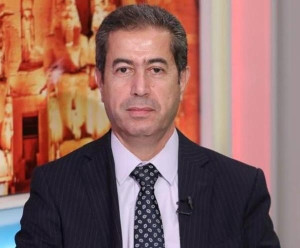
Dr: Theeb Qaralleh
The Kurdistan Workers’ Party’s announcement that it is withdrawing its forces from Turkish territory and relocating them to northern Iraq represents a historic turning point—one that should, in principle, lead to Turkey’s withdrawal from Iraqi and Syrian territories where it has been present for years under the pretext of combating the PKK.
Turkey’s military presence in Iraq is extensive, exceeding 80 military outposts, and constitutes a blatant violation of Iraqi sovereignty. The same applies to its prolonged and expanding presence in Syria, where Ankara directly or indirectly—through allied armed factions—controls large areas including Azaz, Jarablus, al-Bab, Afrin, Ras al-Ayn, and Tal Abyad, under the same justification of protecting its borders from Kurdish groups.
Forcible presence in neighboring states under any pretext amounts to a form of disguised occupation—precisely the approach Israel is now applying in Syrian territory, claiming border security and insisting on turning southern Syria into a demilitarized zone to operate freely without deterrence.
The PKK’s withdrawal from Turkey marks a major shift in the Kurdish-Turkish conflict that has persisted since 1984. It offers Ankara a rare opportunity to consolidate internal stability, open a new political path with its Kurdish population, and end its military presence in neighboring countries.
The coming months will therefore be decisive in testing whether this withdrawal evolves into a genuine political settlement ending four decades of conflict—or whether it proves to be merely a tactical redeployment and temporary pause imposed by circumstances on one or both sides, eventually leading to renewed confrontation.
Observers outline three main scenarios.
The most likely scenario is success: Kurdish cadres integrate into political life, security tensions ease, and armed struggle declines—making Turkey more internally stable and less exposed to external criticism.
The second, plausible scenario is stagnation, driven by slow Turkish reforms toward the Kurds or the absence of a comprehensive amnesty for party members, generating frustration and a partial resumption of armed activity from outside Turkey. This would produce a faltering political process and continued, though lower-intensity, tension.
The third scenario—weak but dangerous—is complete collapse, fueled by mutual distrust and a return to large-scale cross-border military operations. The result would be the loss of a historic peace opportunity, rising political and security costs for Ankara, and renewed instability along the Syrian and Iraqi borders.
Supporters of the PKK argue that its withdrawal places moral and political pressure squarely on Turkey, compelling it to respond with reciprocal steps that entrench this historic shift.
In practical terms, this move represents a golden window for peace. If properly seized, it could deliver Turkish internal stability, ease regional tensions, and offer a successful political—rather than military—model for addressing the Kurdish issue.
The ball is now in Turkey’s court to translate this security gain into a political breakthrough. Should Ankara demonstrate flexibility and boldness in matching the withdrawal with meaningful reforms, the emerging peace process could become irreversible—bringing to an end one of the region’s longest conflicts and potentially inspiring solutions to the Kurdish question in Syria and Iran as well.
Most read