Power Balances and Winning Prospects in the Upcoming Ukrainian Presidential Election

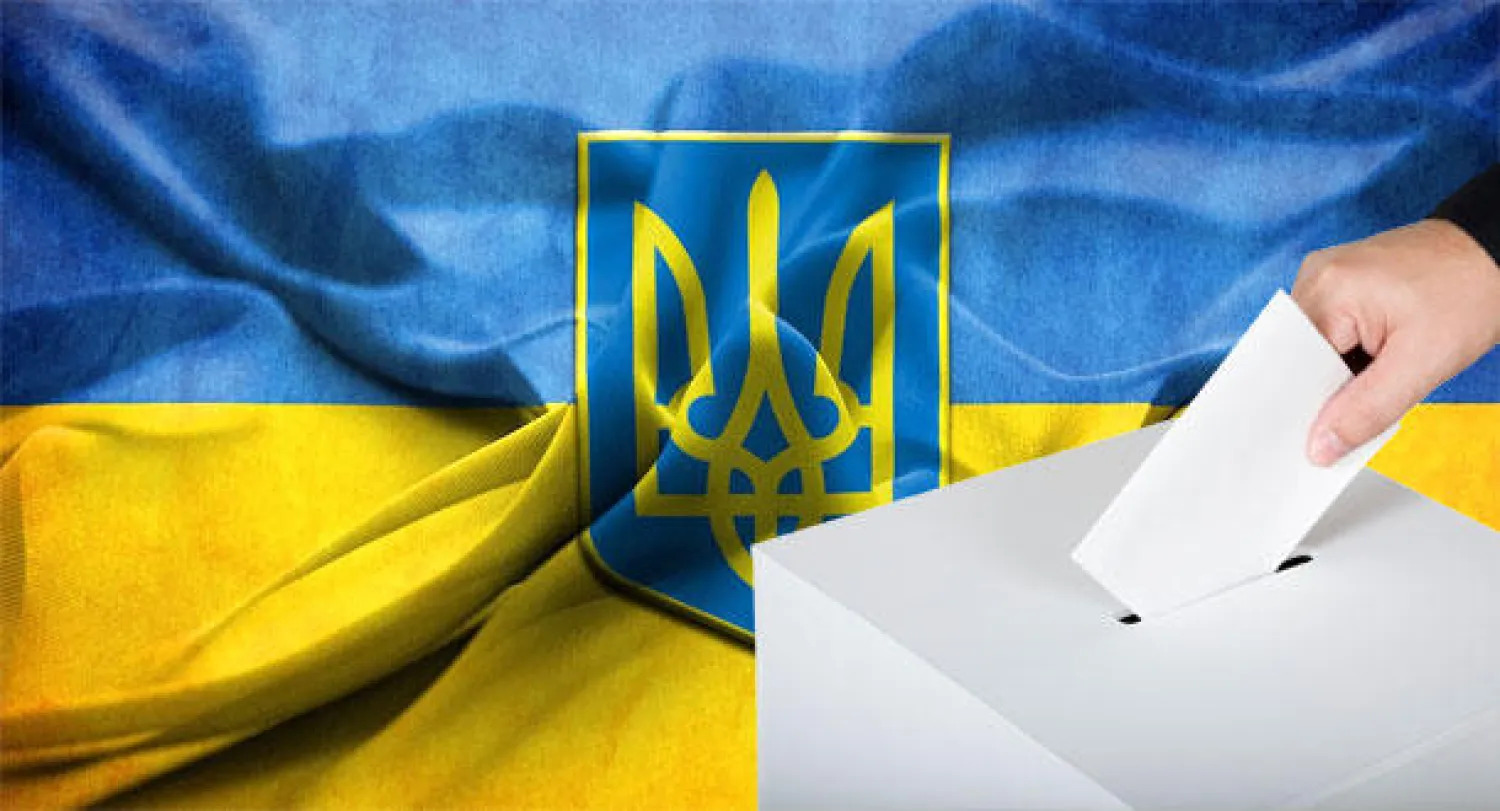
Ukraine’s political landscape is witnessing growing pressure to hold early presidential elections, amid demands by U.S. President Donald Trump to link any future security guarantees for Ukraine to the organization of a new presidential vote. This stance places Ukrainian President Volodymyr Zelenskyy in a complex equation combining constitutional constraints, geopolitical pressure, and domestic public opinion.
Although Zelenskyy’s constitutional term ended in 2024, Ukraine’s constitution prohibits elections under martial law imposed due to the war with Russia. This means any electoral process would require an exceptional constitutional amendment—an option carrying serious legal and political risks in a country fighting an existential conflict.
These U.S. pressures intersect with repeated calls by Russian President Vladimir Putin to hold elections, a move widely viewed in Kyiv as an attempt to weaken Ukrainian leadership internally through the ballot box rather than direct military confrontation.
Erosion of Zelenskyy’s Political Standing
Zelenskyy entered the war as a symbol of national resilience, enjoying unprecedented popular support in the early stages of Russia’s invasion. However, this political capital has gradually eroded due to governance and corruption issues—not solely because of military performance.
In late 2025, senior government officials and business figures close to the presidency were accused of embezzling nearly $100 million from the energy sector, according to Ukrainian anti-corruption bodies. Earlier that year, a controversial bill sparked mass protests after attempting to place oversight institutions under direct presidential control—a move widely interpreted as an effort to politicize justice and shut down sensitive investigations.
Although Zelenskyy ultimately withdrew the legislation and called for the resignation of those involved, the political damage had already been done. Data from the International Institute of Sociology indicated public trust in the president fell from 74% in May 2025 to 59% in December, with only a limited share still viewing him as the right leader to remain in power.
The Rise of Military Alternatives
As Zelenskyy’s popularity wanes, former military commander Valerii Zaluzhnyi has emerged as the leading potential challenger. Now serving as Ukraine’s ambassador to the United Kingdom, his political stature was forged primarily through leading the armed forces during the Russian invasion.
His popularity surged after his dismissal in February 2024—widely seen as an attempt to curb his growing influence. Subsequent polls showed nearly three-quarters of Ukrainians trust him, making him the country’s most popular public figure.
Though he has not declared presidential ambitions, most analysts believe he is keeping his political options open.
Another name occasionally mentioned is Kyrylo Budanov, who played a key role in intelligence operations and long-range strikes inside Russia. However, his polling presence remains limited compared to Zaluzhnyi, making him a secondary contender for now.
The Return of Traditional Rivals — Without Momentum
Former president Petro Poroshenko is also expected to attempt a political comeback, though his prospects appear weak. He has faced long-standing accusations of treason and economic ties to Russia, along with recent sanctions imposed by the current authorities.
Despite denying the charges and calling them politically motivated, his public image has been severely damaged—reducing his chances of becoming a unifying candidate during a period of extreme national sensitivity.
Possible Scenarios
If elections are forced during wartime, outcomes will likely hinge on three main factors:
-
Public anger over corruption and poor governance
-
The symbolic appeal of military leaders versus civilian politicians
-
The influence of external pressure on voter sentiment
In this context, Zelenskyy no longer appears the near-certain winner he was in 2019, while Zaluzhnyi stands out as the most serious challenger should he enter the race.
Conclusion
Any potential Ukrainian presidential election—if it takes place—will not be a conventional democratic contest, but rather a public referendum on wartime leadership, political integrity, and the future shape of power in an existential moment for the state.
Between a civilian president whose legitimacy has been eroded by corruption scandals and a military commander widely trusted as a symbol of resistance, Ukraine may witness a profound transformation in its political system—shifting from media-driven civilian leadership toward a more direct security-military style of governance.
Most read