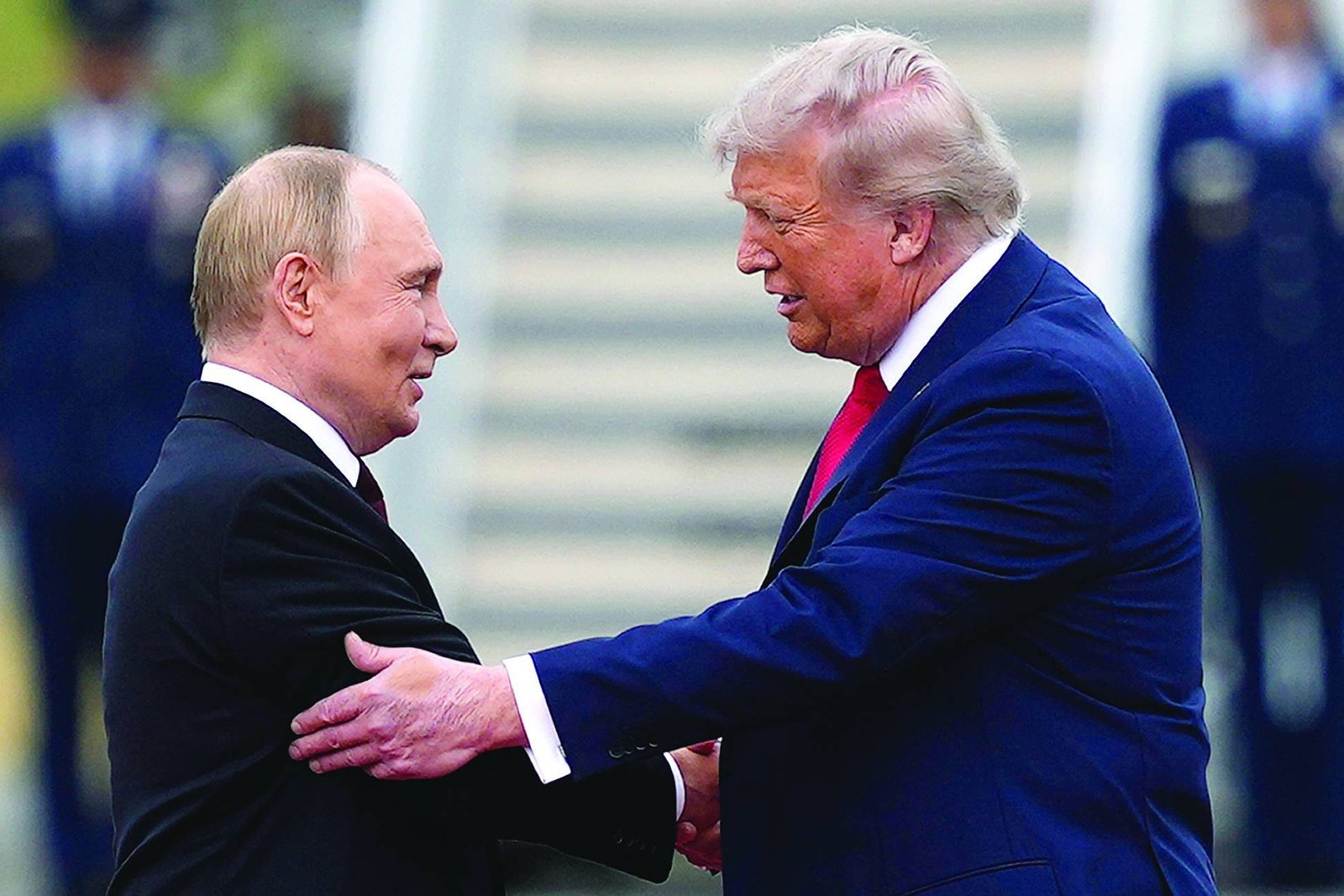
The Kremlin announced on Saturday that Russian President Vladimir Putin had conveyed Iran’s position on a potential agreement to end the war in the Middle East to his US counterpart, Donald Trump. According to the Kremlin, Putin briefed Trump on Tehran’s position during a phone call on Friday. However, Moscow did not disclose the details of Iran’s proposal or Trump’s response, nor did it announce any agreement to end the war.
Yuri Ushakov, an aide to the Russian president, said Putin had emphasized that diplomatic options for resolving the Iranian issue had not been exhausted and that reaching an agreement with Tehran through negotiations was both “possible and necessary.” Ushakov added that Trump had welcomed the continuation of indirect dialogue between Washington and Tehran, with Qatar’s participation, despite the two sides’ increasingly harsh public statements.
Earlier this week, Putin met Iranian President Masoud Pezeshkian on the sidelines of the Commonwealth of Independent States summit in Turkmenistan. During the meeting, the Russian president expressed his willingness to mediate in an effort to reach a settlement and end the war, which began with a US-Israeli attack on Iran in February.
On Friday, Kremlin spokesman Dmitry Peskov said, according to Russia’s state-owned RIA Novosti news agency, that “in coordination with the Iranian president, Putin conveyed the Iranian side’s views on a possible settlement of the conflict to Trump.”
Pezeshkian, for his part, affirmed that Iran was not withdrawing from the negotiating table and was seeking to end the war as soon as possible. However, he stressed that Iran’s rights must be respected, warning that unilateral positions were undermining the prospects for a swift resolution.
Diplomatic efforts to end the conflict with Iran, which has been ongoing for more than seven months following US-Israeli strikes against the country in February, have remained largely stalled since the summer.
A “Substantive and Extremely Friendly” Conversation
The United States and Iran reached a memorandum of understanding in June aimed at ending the conflict. However, the agreement collapsed in July following renewed Iranian attacks on vessels in the Strait of Hormuz and subsequent US offensive strikes in response. The latest rounds of indirect talks between Washington and Tehran, held on the sidelines of the United Nations General Assembly, failed to produce any breakthrough.
Russia’s Interfax news agency quoted a Kremlin official as describing the phone conversation between Putin and Trump as “substantive and extremely friendly.” According to the official, neither leader wanted to be the first to end the call.
The two presidents also agreed during the conversation that Russia would supply diesel to US and global markets in an effort to lower fuel prices. The arrangement reportedly resulted in an unexpected, temporary easing of US sanctions on Russian fuel, a development that angered Ukraine.
Interfax quoted Ushakov, the Kremlin’s foreign policy adviser, as saying that the conversation lasted an hour and a half.
“Neither of them wanted to be the first to end the call. They ended it simultaneously—literally at the same moment,” Ushakov said.
Russia Renews Its Offer on Iranian Uranium
On the nuclear issue, Ushakov said Putin had reiterated to Trump that Moscow’s offer to receive Iran’s highly enriched uranium remained on the table as a possible way out of the current impasse.
He added that the US president had expressed interest in the proposal and welcomed Russia’s involvement in efforts to resolve the situation surrounding Iran, according to the Russian account of the conversation.
However, no announcement indicated that either side had agreed to implement the proposal, and no details were provided regarding its mechanisms or timetable.
Peskov’s remarks added a further detail to the ongoing diplomatic contacts by confirming that Putin had coordinated with the Iranian president before conveying Tehran’s position to Washington. Nevertheless, the substance of Iran’s position and the extent to which it aligns with US demands remain undisclosed in the available statements, while Moscow continues to emphasize the possibility of a negotiated settlement.
Washington, meanwhile, is weighing the prospect of a swift military strike against Iran against the potential benefits of reaching a negotiated agreement. The chances of a settlement remain tied to Iranian concessions on the nuclear issue, following Trump’s rejection of Tehran’s proposal to limit negotiations to the Strait of Hormuz and reopen the waterway within seven days.
While the US military is examining options for an intensive three-day military campaign, according to US officials cited by The New York Times, another camp within the administration favors economic pressure and allowing more time for it to compel Tehran to make tangible concessions.
Trump’s decision to step back from an imminent attack has raised questions about whether the move was driven by rising oil prices or by a belief that Tehran was genuinely prepared to return to negotiations.
Iran Maintains Missile and Drone Production Capabilities
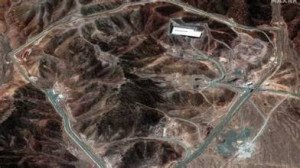
Separately, the US news outlet Bloomberg reported that Iran had managed to preserve its missile and drone production facilities despite months of US and Israeli bombardment. This could enable Tehran to rebuild its military arsenal and replace some of the weapons it has lost.
The report comes as Trump pledged on Thursday not to attack Iran before the US midterm congressional elections scheduled for November, according to a post on social media.
Bloomberg cited Western officials who spoke on condition of anonymity because they were discussing undisclosed assessments. They said Tehran retained the capacity to manufacture new weapons to replenish its depleted arsenal.
One official said Iran continued to possess a substantial stockpile of ballistic missiles and certain anti-ship weapons, adding that the country could expand these inventories rapidly. The official also said Russia was supplying missiles to Iran, a claim consistent with a separate assessment issued in June.
Claims Contradict Trump’s Statements
These assessments contradict repeated statements by Trump and senior members of his administration, who have maintained that eight months of airstrikes inflicted severe damage on Iran’s military capabilities and destroyed its ability to threaten US bases in the region and Washington’s allies.
Earlier this year, Trump declared that the Iranian military had been “completely destroyed.” US Secretary of War Pete Hegseth also said in a speech delivered on September 30 that the United States had destroyed Iran’s “military industrial capacity” and its “entire defense base.”
In a related development, Iranian Defense Ministry spokesman Brigadier General Reza Talaei announced that Iran’s weapons production capacity had increased to two and a half times its prewar level. He attributed the rise to the mobilization of the full capabilities of Iran’s defense industries, according to a report published on Tuesday by Tasnim, a news agency affiliated with Iran’s Islamic Revolutionary Guard Corps.
Most read




Read also