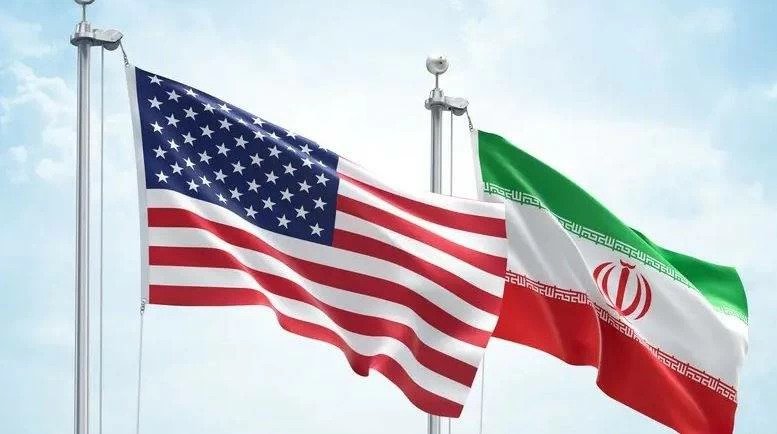
Indications that Iran is intensifying its military preparations, alongside reported US military movements toward the Middle East, suggest the possibility of a new phase of escalation in relations between Washington and Tehran. This comes amid persistent strategic disagreements and diminishing prospects for a stable settlement. According to reports published by The Wall Street Journal, the preparations include strengthening Iran’s defensive capabilities, rebuilding parts of its military infrastructure, and enhancing US readiness for a possible resumption of hostilities.
The significance of these developments extends beyond the prospect of renewed direct military confrontation. It also encompasses the dynamics of mutual deterrence, maritime security in the Strait of Hormuz, energy market stability, and the future of the US military presence in the region. These developments also raise questions about the ability of both sides to manage escalation without sliding into a broader war whose consequences could prove difficult to contain.
In this context, military preparations do not necessarily indicate that a decision to go to war has been made. Rather, they suggest that both parties are seeking to strengthen their strategic positions in anticipation of a deterioration in the political environment or the breakdown of arrangements designed to prevent a resumption of hostilities.
I. Iran’s Military Preparations: Strengthening Defenses and Raising the Cost of Confrontation
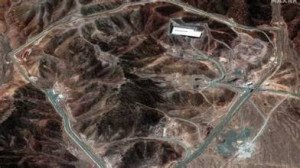
Reports indicate that Iran is working to enhance its military readiness, including by fortifying certain sites, rebuilding missile and drone capabilities, and preparing the domestic front for the possibility of renewed hostilities. Media reports have also described civilian training initiatives, expanded pro-government mobilization, and efforts to develop the capabilities of military units to conduct unconventional operations.
These developments can be interpreted through three principal considerations.
First, reducing the impact of potential strikes by strengthening the protection of military and strategic facilities, dispersing capabilities, and restoring infrastructure that could be targeted. Preserving the ability to continue operations after sustaining a military strike is a central element of Iran’s deterrence calculations.
Second, raising the anticipated cost of a potential US attack by threatening to expand the scope of retaliation to include American interests and critical infrastructure across the region, including energy facilities, communications networks, and maritime shipping. If translated into actual operational decisions, this approach would broaden the range of risks Washington would have to consider before deciding to escalate.
Third, strengthening the domestic front. Demonstrations of readiness and mobilization may help reinforce cohesion among institutions aligned with the Iranian government and prepare the public for the possibility of bearing the costs of another confrontation. However, these measures alone cannot establish the existence of a popular consensus or demonstrate that the authorities would be able to contain the economic and social pressures associated with war.
A central paradox emerges in Iran’s strategy: the more Tehran seeks to demonstrate its capacity to retaliate and inflict damage on its adversaries, the greater the likelihood that Washington will interpret its actions as a threat warranting additional military deployments and preparations for pre-emptive or preventive strikes. Measures intended to strengthen deterrence may therefore increase tensions rather than reduce them.
II. US Strategic Calculations and the Options for Using Force
On the other side, reported US military movements suggest preparations for several potential scenarios, ranging from strengthening air defenses and protecting military bases to developing options for new military strikes.
The deployment of additional naval assets and the consideration of moving further defensive equipment and ammunition into the region reflect an effort to improve the capacity for a rapid response to developments on the ground. An expanded military presence would also allow Washington to protect its forces and interests, secure maritime navigation, and demonstrate its ability to sustain operations if diplomatic efforts fail.
However, military readiness does not necessarily mean that the US administration has decided to resume the war. Military deployments serve multiple purposes: they can function as instruments of deterrence and negotiating leverage, while also providing the capabilities required to conduct military operations if a political decision is made to do so.
Washington faces a complex strategic dilemma. On the one hand, failing to respond to attacks against its forces or interests could undermine the credibility of its deterrent posture. On the other hand, a broad military response could trigger a series of retaliatory actions, imposing substantial military, economic, and political costs.
Moreover, the United States’ ability to sustain operations depends not only on the size of its deployed forces but also on the availability of ammunition, interceptor missile inventories, base protection, supply-chain resilience, and the willingness of regional partners to cooperate under escalating conditions.
Any potential US decision will therefore require balancing the anticipated military objectives against the risks of Iranian retaliation, the consequences for energy markets and the global economy, and domestic political considerations.
III. The Mutual Deterrence Dilemma and the Risk of Miscalculation
One of the defining features of the current situation is that both sides are attempting to improve their strategic positions ahead of a possible confrontation, yet the measures they employ may increase the likelihood of escalation.
Iran is seeking to demonstrate that retaliation would not be confined to its military or nuclear facilities but could extend to American interests and regional targets. Meanwhile, the United States is strengthening its military presence to demonstrate its ability to protect its forces and allies and respond to potential attacks.
In this context, deterrence depends on convincing an adversary that the costs of an attack would outweigh its expected benefits. However, this logic becomes less effective when the parties differ in their assessments of each other’s capabilities or when either side believes that its opponent is unwilling to bear the costs of a prolonged war.
Three principal risks emerge.
First, miscalculating the adversary’s intentions. Tehran may interpret additional US deployments as preparations for an imminent attack, while Washington may view Iranian military movements as evidence of preparations for new offensive operations. Such reciprocal perceptions could prompt both sides to take escalatory measures that neither initially intended to pursue.
Second, losing control over the escalation process. A limited attack could cause casualties or damage a strategically significant facility, generating political and military pressure for a broader response. With each successive round of retaliation, containing the confrontation could become increasingly difficult.
Third, the expansion of the conflict across multiple theaters. Escalation in the maritime domain, attacks on critical infrastructure, or strikes against the interests of neighboring countries could increase the likelihood of additional actors becoming involved, even if they have no intention of participating directly in the conflict.
The danger of escalation therefore does not depend solely on an explicit strategic decision by either party. It may also emerge from a sequence of military incidents that progressively exceeds the calculations of political decision-makers.
IV. The Strait of Hormuz and Energy Security at the Center of the Confrontation
The Strait of Hormuz is one of the most strategically sensitive pressure points in the confrontation between Iran and the United States because of its importance to global maritime trade and oil and gas flows.
Reports of attacks on commercial vessels in and around the strait suggest that maritime security could become one of the principal fronts in any renewed escalation. Attacks on oil tankers or commercial shipping, if responsibility is established, could increase security and insurance risks, disrupt shipping activity, and affect energy prices.
Iran’s geographical position gives it considerable potential to influence the security environment in the strait. However, using this leverage would also carry potential costs for Tehran. A prolonged disruption of maritime traffic could harm Iranian exports, intensify economic pressures, and strengthen the incentives for international and regional powers to coordinate a more robust maritime and security response.
The United States, meanwhile, seeks to protect freedom of navigation and ensure the movement of commercial vessels. It may respond by escorting tankers, increasing its naval presence, or implementing additional measures to protect shipping routes. Yet these measures could increase the risk of direct military encounters if accompanied by attacks, interdictions, or confrontations between naval vessels.
The consequences of any disruption in the strait would extend well beyond the two principal adversaries. Energy-importing economies, maritime transportation costs, insurance premiums, and global supply chains could all be affected.
The paradox is that using maritime security and energy flows as instruments of pressure may produce immediate effects but could also generate broader international opposition toward the party held responsible for disrupting trade. The effectiveness of this leverage therefore depends on whether it can be employed without creating political and economic costs that exceed its strategic benefits.
V. Regional Implications and the Risk of a Wider Conflict
The potential consequences of a confrontation cannot be confined to bilateral relations between Washington and Tehran. Threats involving energy infrastructure, US interests, and critical infrastructure in neighboring countries suggest that Arab states could face growing security and economic pressures even if they do not participate directly in military operations.
Gulf countries, in particular, face a delicate challenge: protecting their territories and critical infrastructure while avoiding becoming arenas for retaliatory strikes, all while maintaining their security and economic relationships with the United States.
The potential targeting of communications infrastructure or data centers, if it occurs, could expand the conflict into civilian and economic sectors beyond the traditional military domain. This would increase the costs of the confrontation for governments, businesses, and societies while heightening the need for regional arrangements to protect critical infrastructure and strengthen resilience against attacks.
The reported threat of ground incursions into neighboring countries also raises questions about the potential scope of escalation. However, such statements alone are insufficient to conclude that these operations have become likely or that a decision to carry them out has been made.
Politically, concerns about a wider war could encourage regional states to intensify diplomatic engagement with both parties. Their objectives would include preventing their territories or infrastructure from being used for military operations and averting the spillover of the confrontation into civilian and economic targets.
These efforts are particularly important given the close relationship between regional security, energy market stability, and international trade. A large-scale war would have consequences extending beyond military casualties, potentially disrupting investment, increasing shipping and insurance costs, and intensifying financial pressures on economies that depend on stable trade and energy flows.
VI. Domestic Political Considerations and Their Influence on Decision-Making
Military calculations in the US-Iran confrontation intersect with domestic political considerations on both sides.
In Iran, the authorities may seek to demonstrate cohesion and readiness in the face of external threats while reinforcing the image of national resilience. However, war could place additional pressure on the economy and public services, making social and economic conditions more difficult to manage if hostilities were prolonged or caused extensive damage.
Media mobilization and training activities alone cannot establish the extent to which society is prepared to endure another war. A meaningful assessment would require broader information on economic and social conditions, public opinion, and the ability of institutions to continue functioning under emergency conditions.
In the United States, decisions about military escalation intersect with public opinion, the costs of overseas deployments, and domestic policy priorities. Electoral timelines may influence the timing or political presentation of decisions, but they cannot independently explain military choices, which are also shaped by security assessments, allied positions, and developments on the ground.
It is therefore important to exercise caution when drawing a direct connection between electoral milestones and the timing of a potential attack. The coincidence of a political event and a military movement does not, in itself, establish a causal relationship unless supported by reliable information about the decision-making process.
VII. Potential Scenarios
Based on the developments described in available reports, three principal scenarios can be identified. None should be regarded as inevitable.
Scenario One: Continued Mutual Deterrence Without a Full-Scale War
Both parties may continue strengthening their military readiness and exchanging threats while avoiding steps that would lead to a comprehensive direct confrontation. Under this scenario, military deployments would serve primarily as instruments of pressure and deterrence, while diplomatic channels and regional mediation would remain essential to preventing miscalculation.
The continuation of this scenario would require both sides to distinguish between deterrent signaling and preparations for an imminent attack, supported by communication channels capable of containing military incidents.
Scenario Two: A Limited Confrontation Followed by Reciprocal Escalation
An attack on the forces or interests of either party could trigger a limited military response, followed by successive rounds of retaliation. The confrontation might remain relatively contained, focusing on military or maritime targets, but could expand if it caused significant casualties or inflicted serious damage on strategic facilities.
This scenario presents a particular challenge because each party may seek to demonstrate resolve while avoiding a full-scale war, even as successive operations progressively narrow the scope for political maneuvering.
Scenario Three: Escalation into a Broader Regional War
A breakdown in deterrence or a major attack could expand the confrontation to include military installations, energy infrastructure, maritime routes, and other targets across the region. Such developments would increase the likelihood of additional regional actors becoming involved, raise the human and economic costs, and complicate efforts to achieve a rapid settlement.
This is the most costly scenario, but it cannot be considered inevitable on the basis of military preparations alone. Assessing its likelihood requires reliable information about the intentions of political leaders, operational readiness, the nature of diplomatic contacts, and the limits of each party’s objectives.
Conclusion
Reported US and Iranian military movements suggest that both parties are preparing for the possibility of renewed confrontation at a time when the costs of a large-scale escalation remain substantial at both the regional and international levels.
Iran is seeking to strengthen its ability to absorb potential strikes and raise the cost of any attack against it, while the United States is attempting to preserve its military superiority and protect its forces, interests, and allies. Yet these preparations may create a mutual deterrence dilemma in which each side interprets the other’s measures as a potential threat, prompting further steps that intensify the adversary’s concerns.
The central challenge is not simply to determine which side has the greater capacity to launch strikes, but to assess each party’s ability to control the escalation process and manage its consequences. Military superiority does not necessarily guarantee sustainable political outcomes, just as the ability to inflict damage on an adversary does not automatically translate into the ability to impose a final settlement on favorable terms.
Protecting maritime navigation, preventing attacks on civilian infrastructure, activating direct and indirect communication channels, and strengthening regional mediation remain essential to reducing the risk of a broader war. The success of regional and international diplomatic efforts in establishing clear mechanisms for containing military incidents could determine whether tensions remain manageable or develop into a confrontation whose trajectory becomes increasingly difficult to predict.
Ultimately, preparing for war does not mean that war has become inevitable. It does, however, reveal the fragility of the security environment and the limitations of relying on military deterrence alone to maintain stability. The approach most likely to reduce the risks is therefore one that combines defensive preparedness, restraint in the use of force, effective diplomacy, and practical arrangements designed to prevent limited incidents from escalating into an open-ended regional conflict.
Most read




Read also