Arab Oil in U.S. Strategy from World War II to 2016

Abstract:
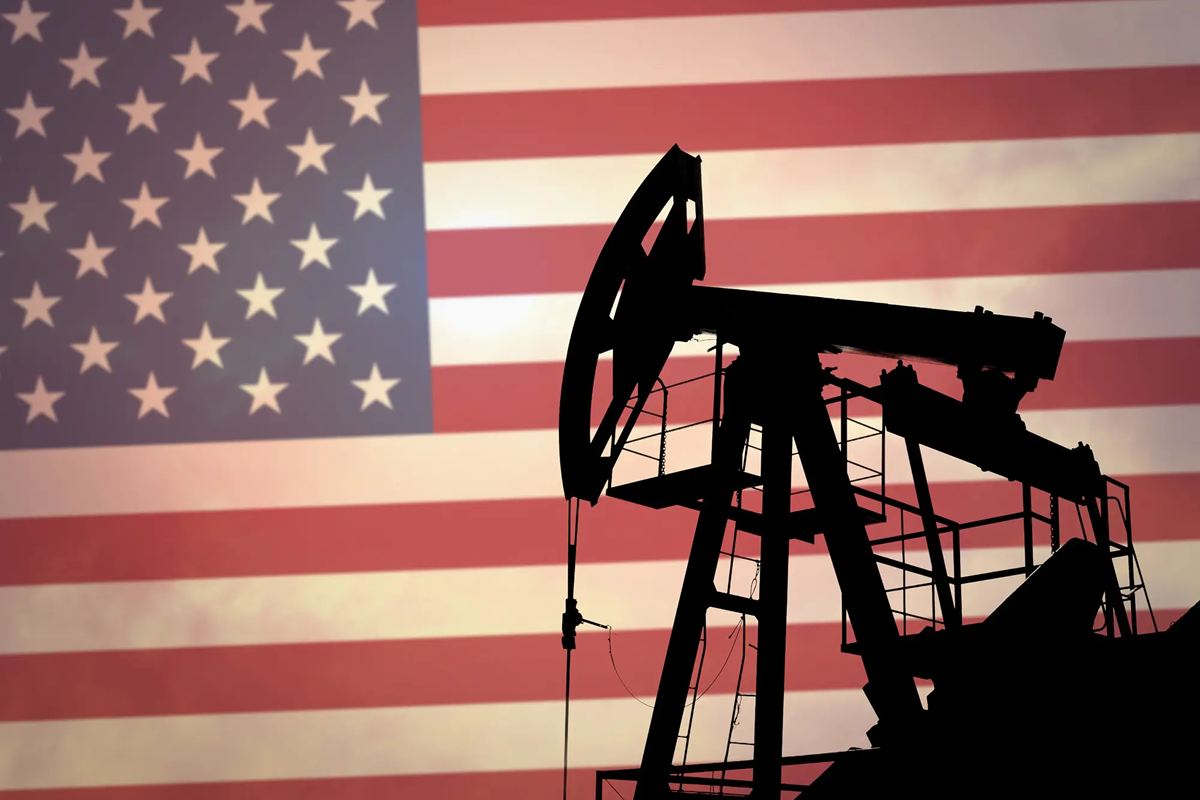
The study examined the complex relationship between U.S. interests in the Arab Gulf region and the security of those states. It sought to answer questions about the nature of U.S. strategy regarding Arab oil since World War II, how that strategy evolved, and its impact on the security of the Gulf countries. The research methodology relied on descriptive and analytical approaches.
The most important findings indicated that oil has been present in most of the wars the region has experienced since World War II, and that the United States has always been—and continues to be—the party that benefits most from the region’s conflicts. The study also revealed the extent of the overlap and complexity between political and economic factors concerning the oil issue.
Among the key recommendations was the necessity for the Arab Gulf states to find a formula to safeguard their security independently of international arrangements, and to attempt to establish a Gulf security system separate from such arrangements. Finally, the study suggested conducting further research on U.S. strategy toward Arab oil, including issues such as terrorism, the Iranian nuclear file, the Ukrainian crisis, the Arab Spring revolutions, and the arms trade.
Most read



Read also