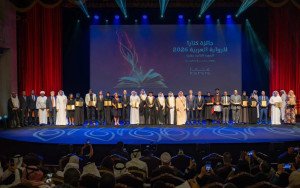

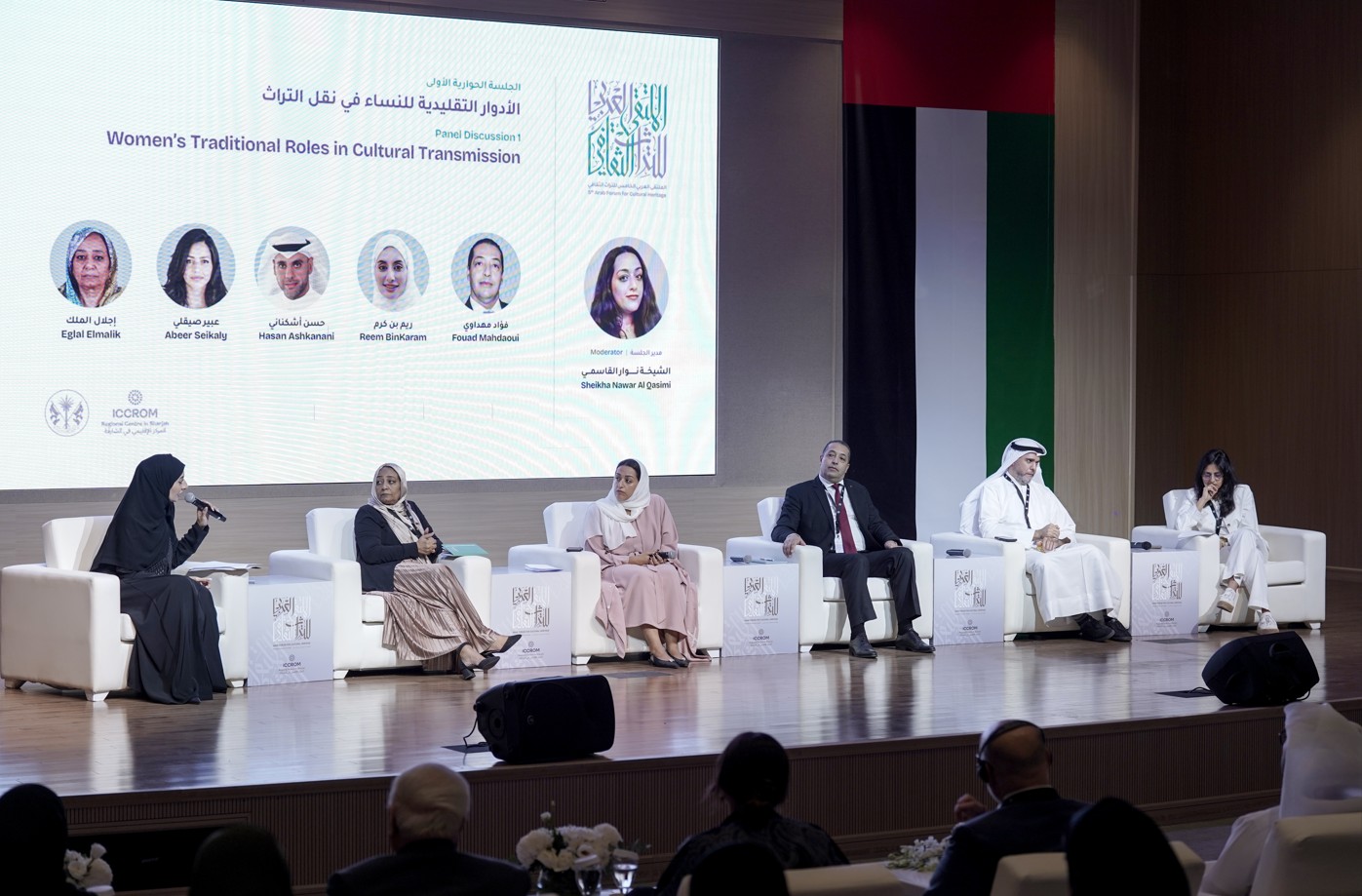
The Emirate of Sharjah hosted the Fifth Arab Forum on Cultural Heritage over three days, organized by the ICCROM Regional Centre in Sharjah under the patronage of Sheikh Sultan bin Muhammad Al Qasimi, Member of the UAE Supreme Council and Ruler of Sharjah.
The forum brought together a wide range of officials, experts, academics, and practitioners from across the Arab world, as well as participants from several foreign countries.
The gathering served as a comprehensive intellectual platform to explore the future of Arab cultural heritage, with a strong focus on the role of women and youth as key drivers of innovation and sustainability.
From the opening session, speakers emphasized that heritage is not merely a memory of the past, but a living resource that strengthens identity, social resilience, and sustainable development. Participants stressed the importance of involving women and young people in cultural policymaking and decision-making processes to ensure heritage remains dynamic and responsive to rapid change.
Diverse Experiences and Global Perspectives
Forum activities included keynote speeches, panel discussions, and case studies from numerous Arab countries — including the UAE, Oman, Iraq, Syria, Egypt, Palestine, Jordan, Sudan, Kuwait, Morocco, Tunisia, and Qatar — showcasing community initiatives, traditional crafts, and practical solutions for preserving heritage through local knowledge.
Speakers from the Netherlands and Mauritania also shared international experiences in participatory museums and community-based cultural practices, giving the forum a broader global dimension.
The program extended beyond theoretical discussions with a field visit to the Al Faya Archaeological Site, recently inscribed on the UNESCO World Heritage List — reinforcing the connection between academic research and hands-on heritage practice.
Youth and Women at the Center of Heritage Renewal
The final day featured presentations of pioneering youth and women-led initiatives from across the Arab world, followed by a session on intergenerational dialogue and knowledge exchange, emphasizing the need to build bridges between generations to transmit expertise and strengthen cultural belonging.
Another session addressed the development of national and regional cultural policies aligned with international conventions, particularly in light of challenges facing heritage protection in conflict and post-conflict contexts.
Key Recommendations
The forum concluded with a comprehensive set of recommendations, أبرزها:
-
Integrating heritage topics into school curricula at all educational levels
-
Developing specialized vocational training programs for youth and women in conservation, documentation, cultural entrepreneurship, and media
-
Expanding community awareness initiatives through museums, libraries, and informal education
Participants also emphasized:
-
Empowering women and youth in decision-making roles
-
Documenting their contributions to heritage preservation
-
Including marginalized groups and displaced communities, viewing heritage as a tool for social cohesion and peace
-
Strengthening intergenerational dialogue and youth participation platforms
Digital Innovation and Sustainable Policies
In the field of digital innovation, the forum called for:
-
Supporting youth and women-led heritage initiatives through seed funding
-
Developing cultural marketing skills
-
Establishing regional digital archives
-
Using artificial intelligence and spatial documentation technologies under strict ethical standards
Additional recommendations included:
-
Developing inclusive cultural policies and sustainable funding mechanisms
-
Strengthening regional and international cooperation
-
Expanding private-sector engagement
-
Enhancing university involvement and youth-focused cultural content
-
Launching an award for youth and women-led heritage initiatives
All reflecting the forum’s commitment to positioning cultural heritage as a driver of development and long-term sustainability.
Most read

Read also