
The Gulf region has recently witnessed a significant military escalation between the United States and Iran following American strikes on Iranian targets. The U.S. administration has offered multiple justifications for this escalation, ranging from supporting domestic protests in Iran and seeking to weaken—or even change—the ruling regime, to targeting Iran’s nuclear program and its ballistic missile capabilities. However, developments surrounding the crisis suggest that the trajectory of the conflict is no longer determined solely by American calculations. Iran retains the ability to shape the course of the confrontation through unconventional tools and strategies of indirect retaliation.
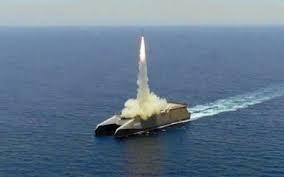
The Iranian response has largely focused on targeting one of the most sensitive components of the global economic system: the security of maritime routes linked to energy trade. Iran has threatened oil tankers and commercial vessels transiting the Strait of Hormuz—one of the world’s most critical maritime chokepoints—while also launching missile and drone attacks targeting Israel and several Gulf Arab states, including key oil infrastructure. Such actions indicate a clear Iranian awareness of the strategic impact that disrupting maritime routes could have on the global economy and on the calculations of major powers.
At the same time, the role of the Houthis in Yemen has emerged as a key factor linked to the Iranian axis. The group has expanded the scope of threats to include maritime traffic through the Bab el-Mandeb Strait at the entrance to the Red Sea. This development raises the possibility that Iran and its regional partners could exert pressure on two of the most strategically important maritime chokepoints in global trade—Hormuz and Bab el-Mandeb—thereby increasing risks to energy security and global supply chains. In this sense, the confrontation appears to be evolving from a direct military clash into a broader strategic contest involving economic leverage and geopolitical pressure.
On the other hand, the American strategy has faced several political and military challenges. The U.S. administration appeared to have given limited attention to consulting its allies prior to launching the military escalation, a factor that later contributed to the reluctance of some allied states to participate in operations aimed at securing maritime navigation in the Strait of Hormuz. Moreover, Washington’s calls for allied participation in protecting oil tanker traffic encountered complex economic realities. Because the global oil market is highly interconnected, any disruption to oil flows through the strait would likely drive global prices upward, affecting consumers worldwide—including those in the United States itself.
The economic dimension of the conflict becomes particularly evident when considering the strategic importance of the Strait of Hormuz in global energy flows. A significant portion of the world’s oil exports passes through this narrow waterway, while roughly ninety percent of Iran’s oil exports originate from Kharg Island before transiting the strait. As a result, any attempt to target Iranian oil infrastructure or seize it militarily could lead to severe disruptions in global markets and sharp increases in oil prices. At the same time, even if export facilities were captured intact, the fundamental problem would remain unresolved: the oil would still need to pass through the same strait, which could remain vulnerable to disruption amid continued escalation.
From a military perspective, U.S. options appear relatively constrained. The American forces currently deployed in the Gulf region—estimated at between sixty and seventy thousand troops—may not be sufficient to establish decisive control over the Strait of Hormuz or the Iranian coastline overlooking it. In contrast, Iran possesses substantial military capabilities, including conventional forces and the powerful Islamic Revolutionary Guard Corps (IRGC), which maintains a significant arsenal of missiles and drones. These capabilities could enable Iran to wage a prolonged war of attrition against any American military presence in the region, whether through direct confrontation or through the use of regional proxy actors.
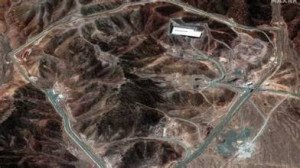
Escalation scenarios may also include other options, such as attempts to seize or neutralize Iran’s nuclear materials. However, such operations would face considerable difficulties. Available indications suggest that Iran has taken precautionary measures to secure its nuclear facilities, including concealing access points and strengthening military defenses. These steps could make any operation aimed at capturing nuclear materials both highly complex and extremely costly.
In light of these dynamics, the current crisis illustrates a broader reality of contemporary conflicts: they are rarely decided by military superiority alone. Instead, military, economic, and political dimensions intersect to shape outcomes. Iran appears to rely on a strategy of indirect retaliation by threatening vital maritime routes, while the United States seeks to maintain freedom of navigation and prevent disruptions to global energy flows. Yet the confrontation also underscores a fundamental strategic lesson—wars are ultimately judged by their political outcomes. In this regard, Iran’s objective appears clear: ensuring regime survival and preserving deterrence capabilities. By contrast, the broader strategic goals of the U.S. campaign remain less clearly defined.
Most read



Read also