The Hidden Economic Alliance: How China Secretly Pays for Iranian Oil

An Informal Financial Channel Links Iranian Oil Exports to Chinese Infrastructure Projects Despite U.S. Sanctions
Western financial data and intelligence assessments reveal a complex system engineered by China and Iran to settle oil payments outside the international banking system — effectively a “oil-for-infrastructure” arrangement that blends economic barter with geopolitical investment, giving Tehran a vital lifeline under U.S. sanctions pressure.
According to a report by The Wall Street Journal, written by journalist Laurence Norman, Beijing has activated a parallel financial mechanism that allows it to pay for Iranian oil imports by funding major infrastructure projects inside Iran. This reflects a structural shift in Sino-Iranian economic relations — from cash-based trade to compensatory investment.
A Shadow Economy Between Beijing and Tehran
Western officials say the system operates by exporting Iranian crude to China at discounted prices, in exchange for Chinese state-owned companies executing projects across Iran’s transport, energy, and infrastructure sectors.
Intelligence estimates suggest roughly $8.4 billion flowed through this channel in a single year.
The model rests on two core pillars:
• Sinosure, the government-backed export credit and insurance agency underwriting and financing Chinese overseas projects
• A semi-covert financial entity known as Chuxin, which manages money flows between Chinese contractors and Iranian oil entities — bypassing the Western-monitored banking system
Analysts describe the arrangement as a “sanctions-parallel economy” combining insurance tools, project finance, and barter-style settlement.
Non-Cash Exchange as a Tool of Influence
Since Washington withdrew from the nuclear deal in 2018, China has become Iran’s near-exclusive oil buyer. Data from the U.S. Energy Information Administration show that nearly 90% of Iranian oil exports in 2024 were directed to the Chinese market.
As U.S. enforcement tightened, Beijing devised increasingly sophisticated methods to obscure financial trails.
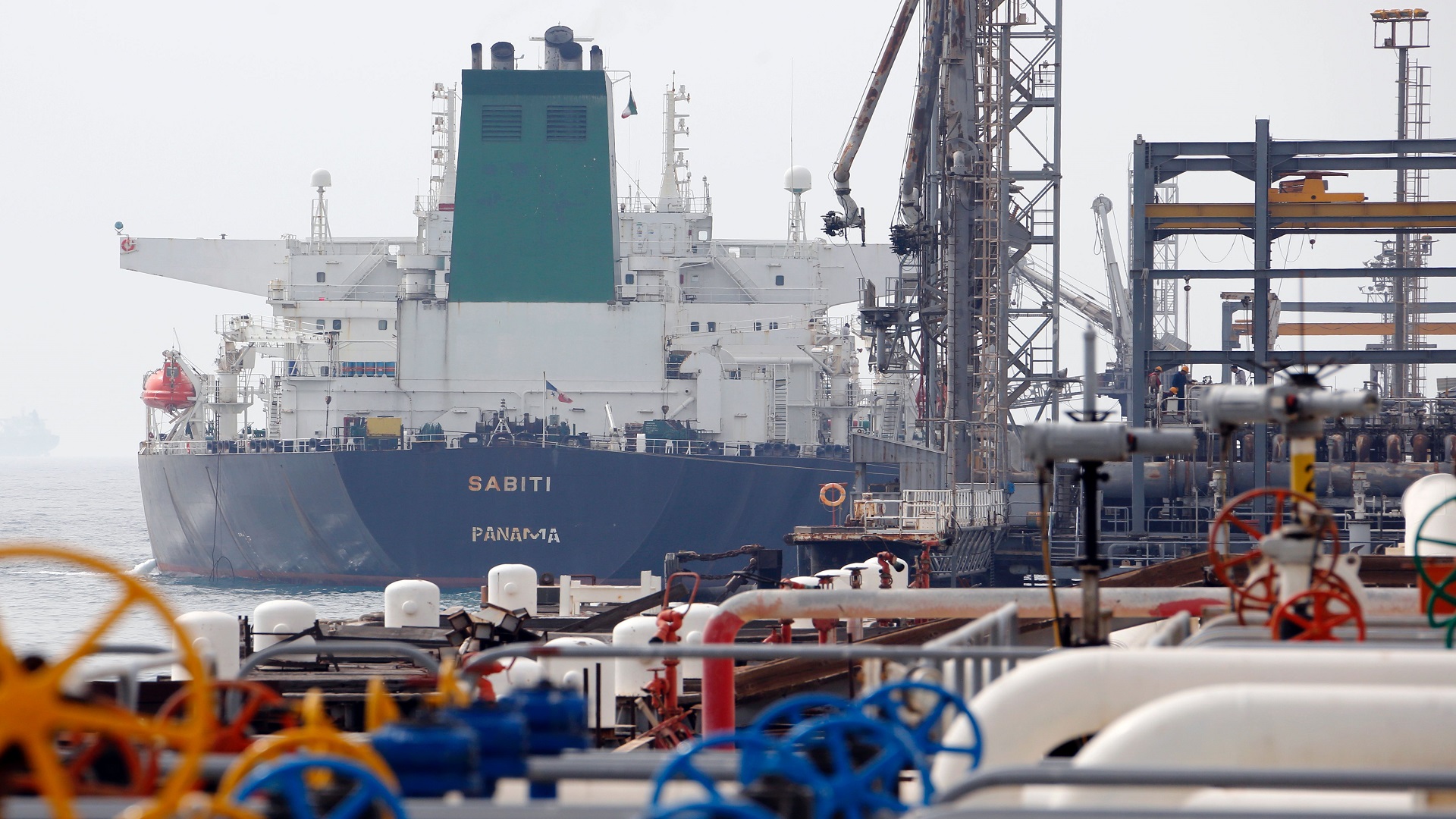
Iranian oil reaches China via convoluted maritime routes involving ship-to-ship transfers and blending with other Asian crude grades — complicating source tracing.
In return, Beijing pays by financing long-term construction projects inside Iran, including airports, refineries, and highways — effectively converting infrastructure into indirect payment for oil shipments.
The Strategic Role of Sinosure
Sinosure functions as a core instrument of Beijing’s external economic policy. By the end of 2024, it had insured operations exceeding $9 trillion globally, according to official figures.
In Iran alone, the company has backed 16 documented projects out of 54 Chinese ventures since 2000, according to research by AidData at William & Mary University.
This positions Sinosure as a strategic architect of high-risk economic partnerships — particularly in sanction-hit or financially isolated states.
The Geoeconomic Equation
The model represents a practical extension of China’s Belt and Road Initiative, which seeks to expand Beijing’s economic footprint across geopolitically sensitive regions through flexible financing and barter-style arrangements.
For Iran, it offers a semi-legal mechanism to monetize oil exports without relying on Western financial channels.
Analysts argue this cooperation reflects a quiet economic alliance aimed at reshaping the global financial system toward reduced Western dependence — potentially generating a parallel economic order based on goods, projects, and alternative financing instead of hard currency.
U.S. Response and Chinese Denial
Despite Washington’s awareness of the mechanism, it has so far imposed only limited sanctions on smaller Chinese entities. Major players such as Sinosure and Chuxin remain untouched — largely due to their deep entanglement in the global economy.
Responding to Wall Street Journal inquiries, China’s foreign ministry said it was “not aware of such arrangements” and reiterated opposition to unilateral sanctions. Iran’s UN mission declined to comment.
The evolving oil-for-infrastructure exchange between Iran and China appears to represent a sophisticated model of sanctions-resistant economics — one that bypasses Western financial dominance through project-based settlement mechanisms.
If this approach continues to expand, analysts believe it could become a cornerstone of the global shift away from dollar-centric finance toward multi-track economic systems.
Most read


Read also