Oil Amid Iranian Sanctions: Can OPEC+ Fill the Supply Gap?

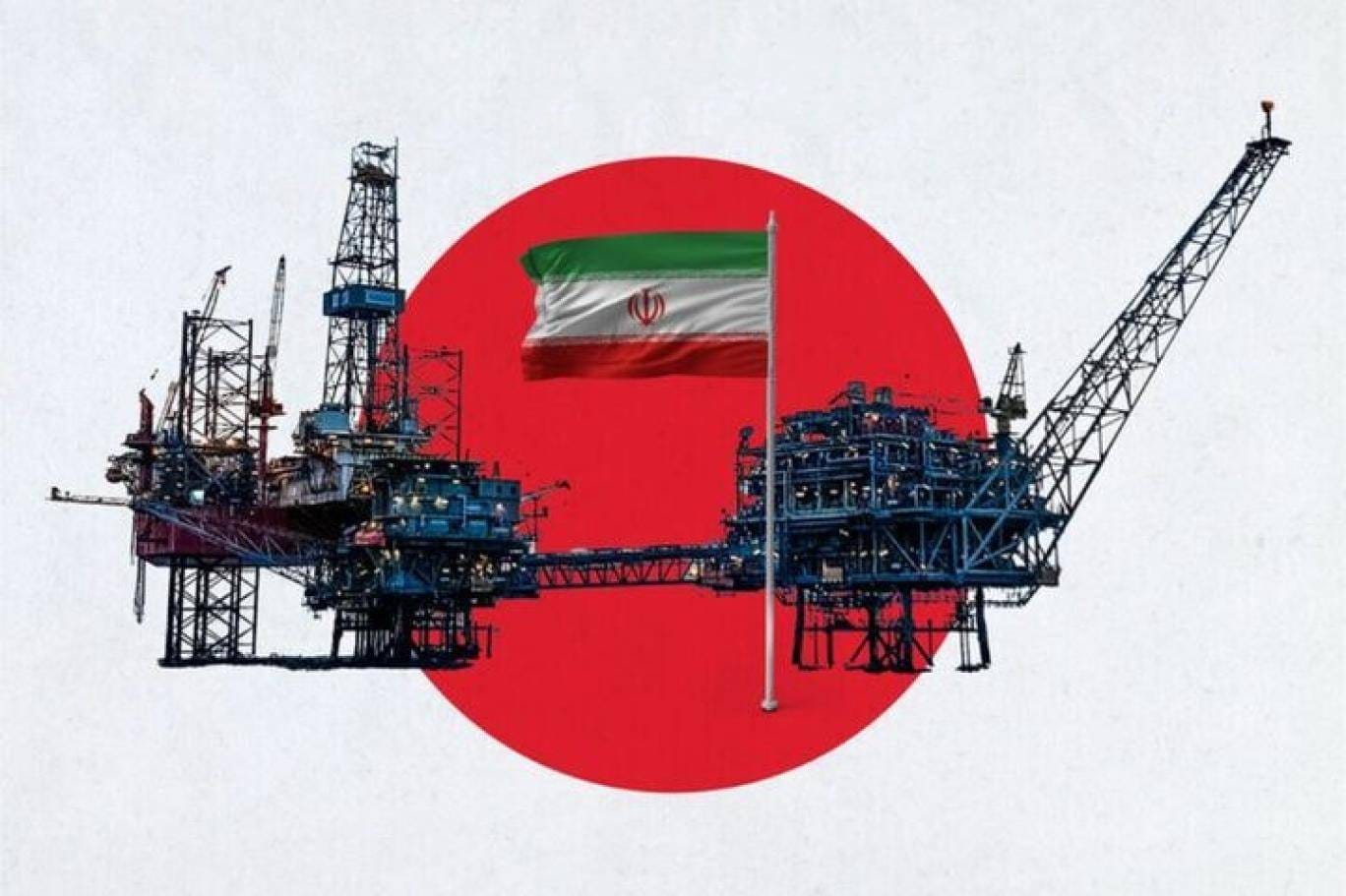
Analysts Rule Out a Major Market Shock, Betting on Major Producers to Close the Supply Gap
Global oil markets are once again at the center of a geopolitical and economic storm following the activation of a new package of international sanctions on Iran, amid concerns that the move could threaten energy supply stability at a time of already fragile market conditions. The measures have raised questions about their potential impact on oil prices and global trade flows.
Iran, which had been exporting around 2.5 million barrels per day prior to sanctions, now faces restrictions that could create a supply shortfall.
On Sunday, the United Nations reinstated the sanctions through the “snapback” mechanism outlined in the 2015 nuclear agreement, after Tehran failed to comply with its nuclear commitments.
The sanctions target Iran’s nuclear program and ballistic missile development, banning related equipment and technology transfers, freezing assets of associated individuals and entities, and restricting access to financial institutions.
The measures aim to pressure Iran’s economy into compliance, amid Western fears that Tehran seeks nuclear weapons — a claim Iran denies, insisting its program is civilian in nature.
Despite the binding nature of UN Security Council resolutions, compliance remains uncertain, particularly from China and Russia, both of which consider the snapback mechanism illegal.
Oil Sales Expected to Continue
Hours before the sanctions took effect, Iran’s oil minister Mohsen Paknejad said Iranian oil exports to China would continue despite the reimposed UN penalties.
Asked about sales to China, Paknejad said: “They will continue — we have no problem.” He added that the renewed sanctions would not impose “any new burdensome restrictions” on Iran’s oil exports.
“We have faced extremely harsh constraints over the past few years due to unilateral U.S. sanctions, so UN sanctions will not really add anything new,” he said.
According to data from Kpler Analytics, China accounted for nearly four-fifths of Iran’s oil exports in 2024.
Price Outlook
The pressing question now is whether OPEC+, led by Saudi Arabia and Russia, can quickly compensate for any supply disruption. The answer will shape price trends.
Some analysts expect sharp volatility, while others argue the impact will be temporary due to OPEC+’s spare capacity — despite cost pressures and political considerations.
Energy specialists told Independent Arabia that the renewed sanctions are unlikely to cause a major shock to global oil markets, noting that Iran has long experience circumventing restrictions through partners such as China and India.
They said Tehran continues to export about 1.8 million barrels per day using steep price discounts, ensuring Asian flows despite lower transparency.
Oil prices, currently below $70 per barrel, may see limited tactical increases rather than sustained rallies, thanks to OPEC+ spare capacity estimated at 5.3 million barrels per day, along with additional non-OPEC supply.
This buffer is expected to absorb any shortfall and stabilize markets.
Shifting Trade Alliances
Analysts added that sanctions are pushing major importers — particularly China and India — to reshape oil partnerships, either by capitalizing on discounted Iranian crude or diversifying sources.
They emphasized that Gulf energy investments will remain unaffected due to strong investor security and robust global demand expectations, while compliance risks may freeze some investments inside Iran itself.
Limited Impact Expected
Oil expert Kamel Al-Harmi said Iran has adapted to sanctions through friendly states such as India, Russia, and China, predicting no meaningful price impact given global market calm and OPEC+ production increases that may lead toward oversupply.
He noted that prices remain below $70 per barrel — well under the $80 level many producers seek — and that cutting output to boost prices is no longer in OPEC+’s interest.
Energy analyst Ali Al-Riyami argued that renewed UN sanctions will not trigger immediate market disruption, as Iran has long been exporting oil “with Western awareness” to prevent price spikes.
He said the current measures may be stricter but will likely have limited short-term impact, as Iran has stockpiles in Asian markets and extensive experience bypassing restrictions.
The “Shadow Fleet” Factor
Economist Amer Al-Shobaki said supply gaps will remain modest unless Iran’s “shadow fleet” — moving roughly 1.8 million barrels per day — is shut down.
He noted that Iran sells to Asia, especially China, at discounts of up to $10 per barrel below Brent crude, boosting uncertainty but keeping flows alive.
He expects only tactical price increases, supported by OPEC+ spare capacity and non-member supply, while sanctions may deter new Iranian investment.
Analyst Ali Al-Hazmi added that Iranian oil will continue reaching markets through Russia and China, which reject the sanctions regime, while dismissing major threats to the Strait of Hormuz.
He said global demand — supported by reports from the International Energy Agency — will continue driving investment regardless of sanctions.
“The Last Card”
Khaled Al-Awadi of Hawk Energy said the UN sanctions primarily target Iran’s nuclear program rather than its oil sector, describing them as “Europe’s last intimidation card.”
He ruled out significant disruption to global oil supply, calling market stability a “U.S. red line.”
Any price spikes, he said, would be temporary, noting that even major geopolitical shocks rarely push oil prices up more than 2% before fading.
He added that around 90% of Iranian exports are effectively secured for China, and that halting flows would require military intervention — an unlikely scenario given escalation risks.
On investment, Al-Awadi said sanctions will not hinder Gulf energy projects, which benefit from extremely low production costs (around $10 per barrel), while challenges facing Western firms stem from low global prices rather than Iran-related risks.
Most read