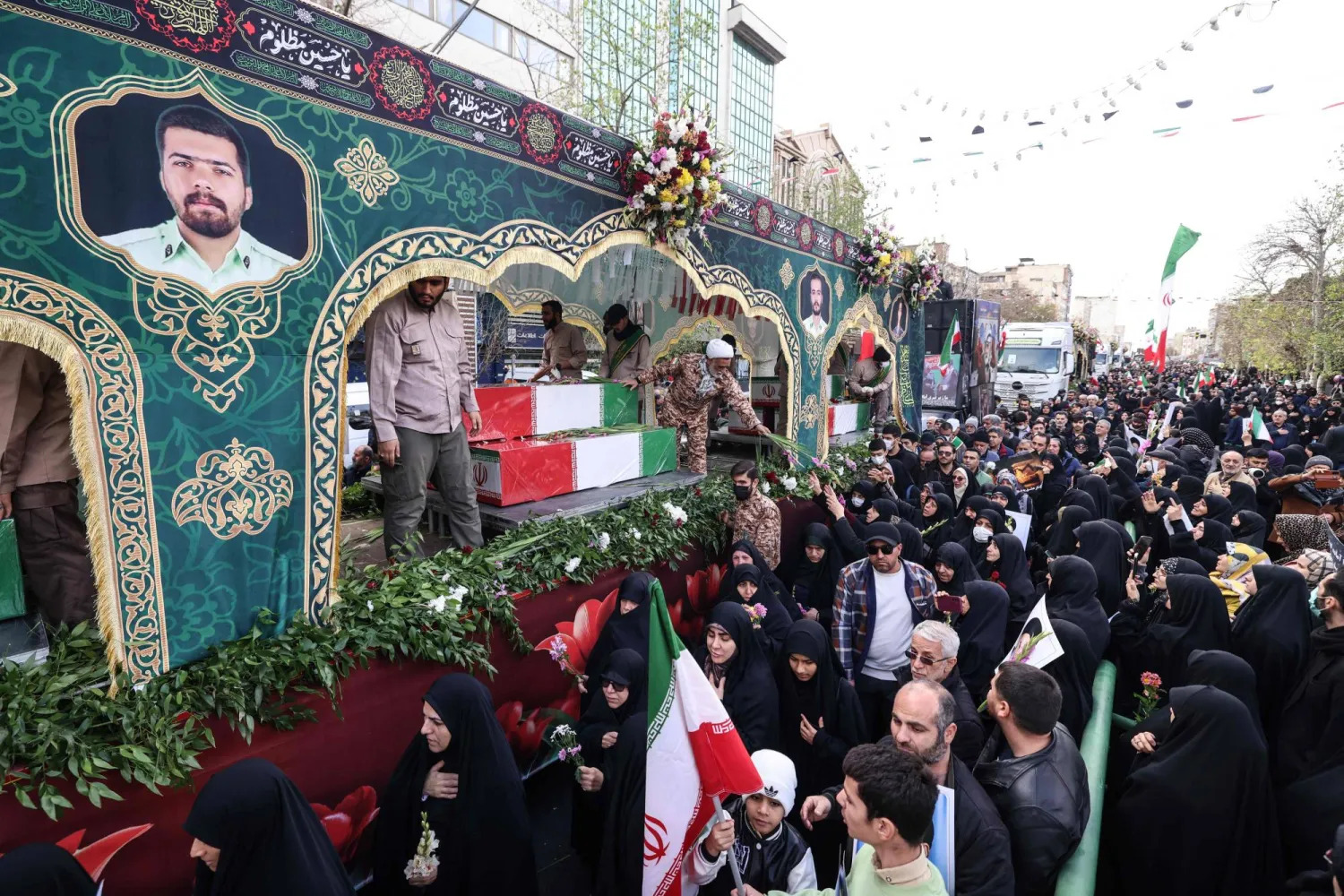
Iran on the Brink of Transformation: Protests of Rage and the Limits of Regime Survival
Experiencing one of the most intense waves of internal unrest in its modern history. What began weeks ago as limited economic protests has evolved into a direct political challenge to the legitimacy of the ruling system. In just twenty days, the country has entered an unprecedented phase of violence and repression—raising serious questions about the regime’s ability to endure amid eroding domestic legitimacy and declining regional influence.
The initial spark erupted in Tehran’s traditional bazaar, when merchants took to the streets in protest against the collapsing currency and soaring prices. Historically, movement within the bazaar has never been politically insignificant in Iran; it has long served as a sensitive barometer of deep economic and political crises. The protests quickly moved beyond economic grievances, spreading geographically and transforming into a political movement demanding an end to nearly five decades of religious rule.
Reported casualty figures reflect the scale of confrontation between the public and the authorities. Human rights organizations estimate that thousands of protesters have been killed and tens of thousands arrested, amid a crackdown involving live ammunition, internet shutdowns, and sweeping security measures. Such levels of repression do not signify strength so much as deep anxiety within the regime—governments typically resort to excessive force when traditional tools of control begin to fail.
Yet economic hardship alone does not explain the popular explosion. Over recent years, Iran has faced overlapping crises: currency collapse, food inflation, energy and water shortages—all of which have steadily eroded living standards for broad segments of society. When such daily pressures combine with political stagnation, they often fuel movements that shift from reformist demands toward calls for fundamental change.
What distinguishes these protests from earlier waves—such as the Green Movement of 2009—is the nature of political discourse. Whereas earlier demonstrators sought to reform the system from within, today’s slogans are far more radical, openly calling for the regime’s overthrow. Many observers argue that the closest parallel is the 2022 protests, which revealed a psychological and political rupture between a new generation of Iranians and the institutions of religious governance.
This domestic upheaval is unfolding at a moment of unprecedented regional weakness for Tehran. After decades of building influence through armed proxies, Iran has suffered severe blows that have significantly reduced its ability to project power. Recent direct military confrontations, followed by strikes on military and nuclear assets, have dealt heavy damage to the deterrence image the regime long relied upon both internally and externally.
International pressure—particularly from the United States—has added a new layer to the crisis. Threats of sanctions, military action, and recourse to the UN Security Council have heightened tensions, even without direct intervention thus far. Nevertheless, the trajectory of the protests remains closely tied to external positions, especially as the regime understands that foreign involvement could fundamentally shift the balance of power.
Despite the scale of unrest and repression, signs of imminent regime collapse remain limited. The economy has not yet entered total paralysis—particularly in the vital oil sector—and security and military institutions remain cohesive, showing no large-scale defections. Historically, three conditions tend to precede transformative political change: economic shutdown, military fragmentation, and sustained mass mobilization. For now, their full convergence remains uncertain.
Still, what Iran is witnessing today cannot be dismissed as a passing protest wave. The cumulative weight of economic crises, regional setbacks, and eroding political legitimacy points to a long-term structural challenge to the system. Even if the regime manages to suppress this round, the roots of discontent persist—making renewed unrest a matter of time rather than possibility.
Ultimately, Iran stands at a historic crossroads: either the system continues managing crises through repression and postponing inevitable reckoning, or internal and external dynamics force a new trajectory whose outcomes cannot be controlled. Between these paths, the Iranian street remains a decisive actor—its voice constrained today by weapons and prisons, but far from extinguished.
Most read