Gender Justice in Syria: A Constitutional Imperative in the Democratic Transition

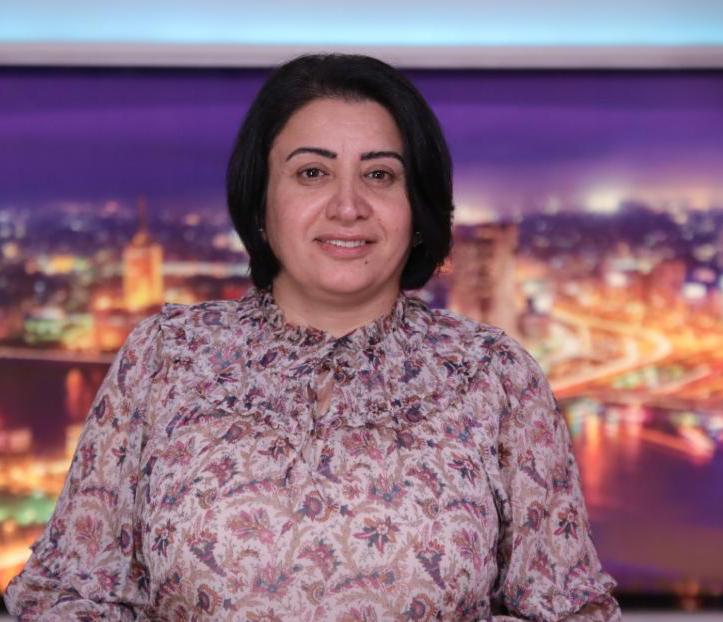
By; Laila Musa
In light of Syria’s transitional phase — a pivotal and historic moment that will shape the country’s present and political and social future — voices are rising to demand the rebuilding of the state on democratic foundations that guarantee rights, freedoms, and equality for all citizens.
Yet one central issue imposes itself on any serious discussion of Syria’s political future: gender justice. Talk of democracy, justice, and political transformation remains incomplete without ensuring women’s equality and their genuine participation in decision-making — particularly in a country devastated by war and preparing to redefine its social contract.
However, a range of challenges continues to obstruct democratic transition, foremost among them:
First: Legal and Constitutional Barriers to Gender Justice
A review of the interim constitutional declaration — intended to establish the framework of the transitional phase — reveals stark contradictions among its provisions. While some articles (6, 9, 12, and 21) affirm principles of equality, equal opportunity, and women’s rights, Article 3 designates Islamic jurisprudence as the main source of legislation and defines the president’s religion, thereby undermining those principles and conflicting with state neutrality and equality before the law.
Moreover, these rights are often expressed in vague and non-binding language, lacking explicit prohibitions against gender-based discrimination or clear guarantees of gender equality.
This legal ambiguity hollows out rights and leaves women in a constant state of political and legal vulnerability.
Second: Token Representation and Systematic Exclusion
One of the most serious problems in Syria’s current transitional context is the absence of genuine political will to empower women. No legal provision obliges authorities to adopt a quota system ensuring fair female representation in decision-making institutions.
Existing female participation is largely symbolic, serving public relations purposes rather than influencing policymaking.
This reality reflects a structural misunderstanding of gender justice, entrenched male dominance over power structures, and continued treatment of women as marginal actors rather than equal partners in nation-building.
Even existing legal provisions are poorly implemented. For example, Article 24(5) of the interim parliamentary election law states that women must constitute at least 20% of the electorate — yet actual participation did not exceed 14%.
Notably, this quota applies only to voters, not to parliamentary seats. Preliminary results showed only six women elected.
Key Challenges Facing Gender Equality in Syria
-
Constitutional and legislative deficiencies regarding equality
-
Absence of binding quotas ensuring women’s political participation
-
Male dominance over transitional power structures
-
Weak accountability mechanisms for enforcing women’s rights laws
-
Conservative social norms limiting women’s public engagement
-
Exclusion of women from constitutional drafting bodies and peace negotiations
-
Institutional vacuum and lack of independent oversight bodies
Pathways Toward Genuine Gender Justice
Achieving real gender justice requires a comprehensive reform vision, including:
-
Drafting a new constitution with strong female participation and explicit gender equality clauses
-
Amending election laws to guarantee at least 50% representation through temporary affirmative action
-
Ensuring women’s inclusion in constitutional committees and peace negotiations
-
Establishing an independent Gender Justice Commission to monitor implementation and address violations
-
Launching public awareness programs to transform social attitudes toward women’s roles
-
Empowering civil society and women’s organizations as policy partners and watchdogs
Conclusion
Gender justice is the cornerstone of any genuine democratic transition. Syria cannot become a democratic, stable, and prosperous state without full equality for women.
The transitional phase is not merely a political process — it is a moral and historical test of a society seeking to overcome decades of discrimination and exclusion.
Syria now faces two clear paths:
-
Either reproduce another authoritarian exclusionary system
-
Or move decisively toward a state based on citizenship, equality, and rule of law
Gender justice is no longer a luxury or elite demand — it is a fundamental necessity for sustainable development, long-term stability, and successful democratic transformation.
“Justice is indivisible: either we secure it for all, or we reproduce oppression in new forms.”
Representative of the Syrian Democratic Council in Cairo
Most read