Catastrophic Figures Reveal the Human Devastation in Gaza and the Challenges Facing UNRWA

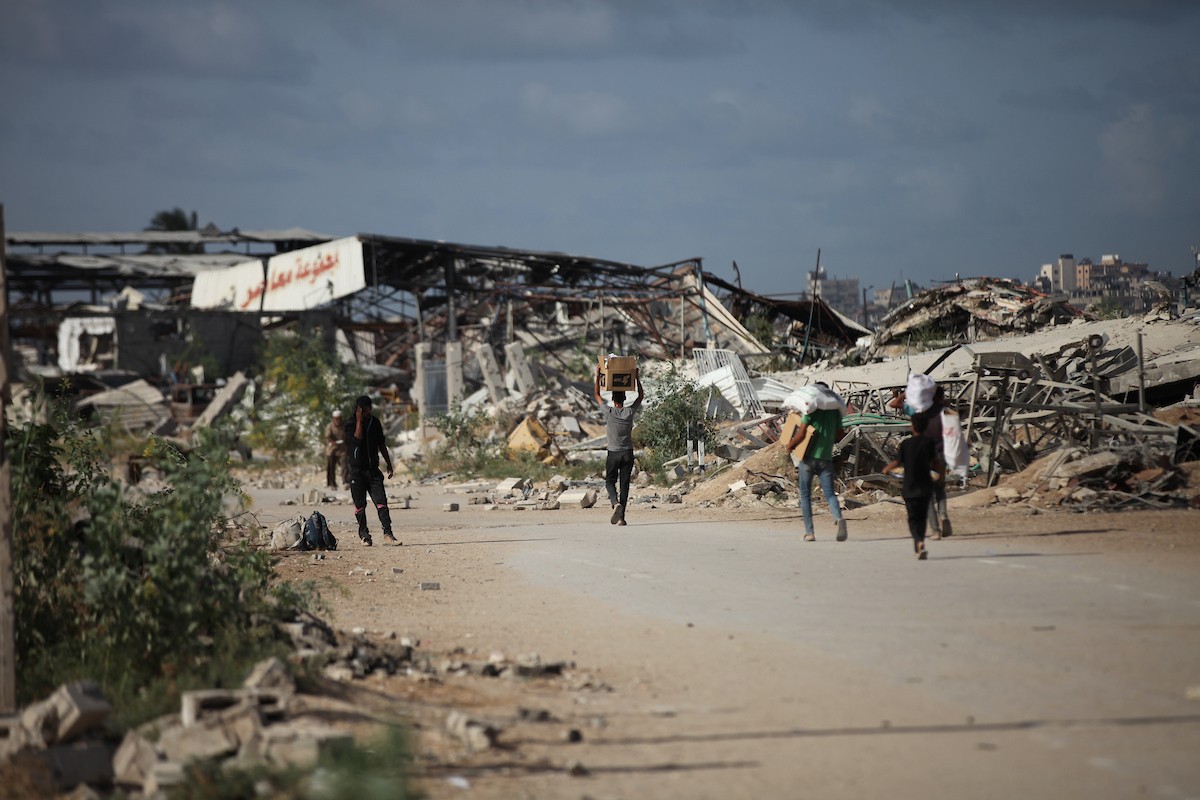
The United Nations Relief and Works Agency for Palestine Refugees (UNRWA) has released a comprehensive report documenting the catastrophic impact of the ongoing war on the population of the Gaza Strip and on the agency’s institutions. The report reveals shocking and unprecedented figures detailing what it describes as acts of genocide committed by the Israeli occupation, on the eve of the second anniversary of the war that began on October 7, 2023.
According to the report, more than 66,100 people have been killed in Gaza during the two years of war, including at least 18,430 children. Nearly the entire population of the Gaza Strip has been forcibly displaced—many of them more than once—while approximately 80 percent of buildings across the territory have been damaged or destroyed.
The agency also stated that its facilities were directly targeted by bombardment or severely damaged. More than 370 UNRWA staff members have been killed, while at least 845 people were killed inside UNRWA schools and centers where civilians had sought refuge.
UNRWA: The Last Line of Humanitarian Defense
Despite the massive destruction, UNRWA managed to shelter nearly one million people in its facilities during the war and provide psychosocial support to more than 237,000 displaced individuals, particularly among the most vulnerable groups. These include children who survived violence and detainees who were later released.
The report also confirmed that famine has officially spread in Gaza Governorate, with expectations that it will expand to Deir al-Balah in central Gaza and Khan Younis in the south.
The agency recorded 455 deaths related to malnutrition, including more than 150 children, while access to 98 percent of agricultural land has been either severely restricted or completely disrupted.
Although UNRWA succeeded in distributing food assistance to more than two million people during temporary ceasefires, its food reserves were completely depleted by April 2025. This followed the Israeli authorities’ decision to block the entry of humanitarian aid into Gaza since March 2. The agency stated that it still possesses sufficient food stocks to sustain the population for three months, but these supplies remain stuck outside the Gaza Strip.
The Health System on the Brink of Collapse
The healthcare sector in Gaza has been subjected to more than 790 attacks targeting medical staff, patients, and health facilities. As a result, less than 40 percent of hospitals are currently operating even partially.
The report warns that infectious diseases have spread widely across the territory, including respiratory infections, acute watery diarrhea, scabies, and skin rashes, as well as suspected cases of meningitis, tuberculosis, and the rare Guillain-Barré syndrome.
Despite these conditions, UNRWA has continued to operate through four health centers out of 22, in addition to three temporary clinics and 30 mobile medical points. Through these services, the agency has provided more than 10 million primary healthcare consultations, screened 277,100 children under the age of five for malnutrition, and administered routine vaccinations to more than 300,000 children since the beginning of 2024.
Water and Sanitation: A Deadly Crisis
UNRWA reported that 90 percent of Gaza’s water, sanitation, and hygiene infrastructure has been destroyed or severely damaged, creating a severe environmental and public health crisis.
Around half a million women and girls lack access to basic hygiene supplies. More than 60 percent of households do not have soap, and 40 percent of families live near open waste dumps.
In response, the agency has been collecting 6,000 tons of solid waste each month, serving approximately 1.7 million people. It has also distributed more than 2 billion liters of usable water to 1.4 million beneficiaries, along with 338,000 hygiene kits since January 2024.
An Entire Generation Out of School
The report highlights the near-total collapse of education in Gaza. Approximately 660,000 children have been deprived of schooling, half of whom were previously enrolled in UNRWA schools.
About 92 percent of schools require reconstruction or major rehabilitation, while 90 percent of UNRWA schools have been bombed or damaged—some of them while sheltering displaced families.
Despite these tragic circumstances, the agency has managed to reach more than half a million children through psychosocial support programs. It has also provided alternative learning opportunities for more than 59,000 children in shelters and enrolled 290,000 students in remote learning initiatives.
Most read


Read also