Azerbaijanis in Iran: An Ethnic Community That Helped Build the State Yet Seeks Broader Recognition

While international attention often focuses on Iran’s more contentious ethnic issues—such as the Kurds in the west, the Baloch in the southeast, and the Arabs in Khuzestan—the Azerbaijani community represents a distinct and more complex case. Azerbaijanis are neither a marginalized group confined to the periphery of the state nor an organized separatist movement seeking independence from Tehran. Rather, they constitute one of the historical pillars that contributed to the formation of the Iranian state itself. Yet despite this long-standing partnership, questions of identity, language, and cultural recognition continue to shape the relationship between Azerbaijanis and the Iranian state, particularly amid the geopolitical transformations unfolding in the South Caucasus.
The Azerbaijani community is widely regarded as the largest non-Persian ethnic group in Iran. Although the absence of official ethnic statistics makes precise figures difficult to determine, most estimates suggest that Azerbaijanis account for between one-fifth and one-quarter of Iran’s population, making them the country’s second-largest demographic group after the Persians. Their population is concentrated primarily in East Azerbaijan, West Azerbaijan, Ardabil, and Zanjan provinces, while substantial Azerbaijani communities also reside in Tehran and other major urban and industrial centers.
These demographic realities carry significant political implications. Azerbaijanis are not merely a numerical minority; they constitute a major demographic, economic, and political force within Iran. In fact, some estimates suggest that the number of Azerbaijanis living in Iran exceeds the population of the Republic of Azerbaijan itself. Consequently, the Azerbaijani question extends beyond Iran’s domestic sphere and intersects with broader regional dynamics.
Understanding the position of Azerbaijanis in contemporary Iran requires revisiting the nineteenth century, when the region underwent one of the most consequential transformations in its modern history. The Russo-Persian Wars culminated in the Treaties of Gulistan (1813) and Turkmenchay (1828), which divided historical Azerbaijan between the Russian Empire and Qajar Persia. From that moment onward, the Azerbaijani people found themselves split between two distinct political entities: one remaining within Iran and the other becoming part of the Russian Empire before eventually emerging as the independent Republic of Azerbaijan.
This division was far more than a simple territorial rearrangement. It fundamentally reshaped Azerbaijani identity. In the north, Azerbaijanis were influenced by Russian and later Soviet political and cultural developments, including the rise of modern nationalism. In the south, Azerbaijani communities became deeply integrated into the Iranian state and played active roles in its political, religious, and military institutions. Over time, Iranian Azerbaijanis developed a layered identity that combined Azerbaijani ethnic consciousness with Iranian national belonging.
One of the great historical paradoxes of the Azerbaijani experience is that Azerbaijanis were never outsiders to the Iranian state-building project. When the Safavid Empire emerged in the early sixteenth century, Turkic Azerbaijani tribes known as the Qizilbash formed the backbone of its military and political power. Through the Safavid state, Iran was unified under a centralized political order, and Twelver Shiism was established as the official state religion. In this sense, Azerbaijanis played a decisive role in shaping the religious and political foundations upon which modern Iran still rests.
This historical legacy has had a lasting impact on the Azerbaijani position within the Iranian political system. Unlike many other ethnic groups, Azerbaijanis have maintained a strong presence within state institutions. Iran’s Supreme Leader, Ayatollah Ali Khamenei, is of Azerbaijani origin, and numerous Azerbaijani figures have occupied influential positions within the military, the Islamic Revolutionary Guard Corps, the judiciary, and the state bureaucracy. This representation has contributed to a relationship characterized more by political integration than by confrontation.
Yet political integration has not eliminated cultural demands. For many Azerbaijani intellectuals and activists, the central issue remains language and cultural identity. Although the Iranian Constitution permits the use of local languages in cultural and media activities, Persian remains dominant in education, administration, and public life. As a result, many Azerbaijani cultural figures advocate for broader teaching of the Azerbaijani Turkish language in schools and universities, as well as greater representation in media and cultural institutions.
Importantly, these demands generally do not reflect a widespread separatist agenda. Rather, they represent efforts to preserve cultural distinctiveness within the framework of the Iranian state. Unlike some other ethnic movements in the region, Azerbaijani activism has largely focused on cultural recognition, linguistic rights, and balanced participation in public life rather than radical political projects.
These concerns cannot be separated from broader regional developments. The independence of the Republic of Azerbaijan in 1991 revitalized historical and cultural ties between Azerbaijanis on both sides of the Aras River. At the same time, the growing influence of Turkey in the South Caucasus contributed to a broader resurgence of Turkic identity and discourse across the region.
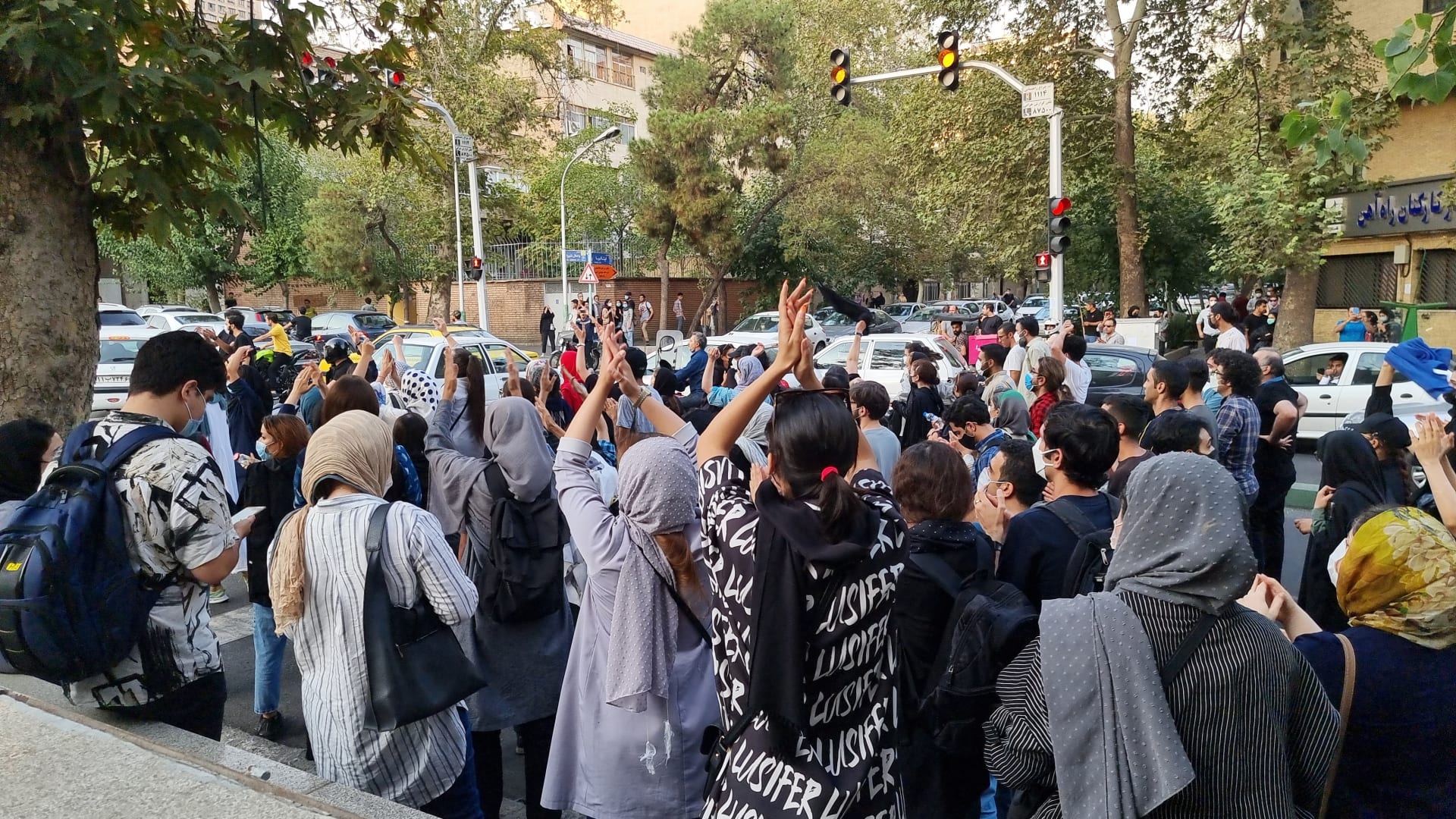
The Nagorno-Karabakh conflict, particularly the 2020 war, further intensified these dynamics. Millions of Iranian Azerbaijanis closely followed the conflict, viewing it through the lens of shared ethnic and cultural identity. Demonstrations in support of Baku took place in several Azerbaijani-populated cities in Iran, with participants calling for a more supportive Iranian stance toward Azerbaijan. Although these mobilizations did not evolve into a direct political challenge to the state, they highlighted the enduring emotional and cultural connections linking Iranian Azerbaijanis with their ethnic kin across the border.
For this reason, Tehran approaches the Azerbaijani issue differently from other ethnic questions. The primary concern is not the existence of a powerful separatist movement but rather the challenge of balancing Iranian national identity with Azerbaijani cultural distinctiveness. Iranian policymakers recognize that any significant rise in Azerbaijani nationalism could intersect with complex regional factors involving Azerbaijan, Turkey, and Russia, thereby transforming a domestic issue into a broader geopolitical concern.
In addition to their demographic and political significance, Azerbaijanis possess considerable economic influence. For centuries, Tabriz served as one of Iran’s most important commercial gateways to the Caucasus, Russia, and Europe. Azerbaijani merchants and entrepreneurs have long played prominent roles in trade, industry, and services, helping integrate Azerbaijani regions into the national economy. This economic interdependence has also reduced the likelihood of large-scale separatist tendencies.
Nevertheless, the future of the Azerbaijani question will largely depend on Iran’s ability to manage ethnic diversity in a more flexible and inclusive manner. The key challenge is not merely maintaining security or containing occasional protests; it lies in building a national framework capable of accommodating the cultural and linguistic diversity that characterizes Iranian society.
Ultimately, the Azerbaijani issue is not simply the story of an ethnic minority seeking a place within the state. Rather, it is the story of a community that helped build the Iranian state and contributed significantly to shaping its political and religious identity, while continuing to seek broader recognition of its cultural and linguistic distinctiveness. Although the prospects for separatism remain limited in the foreseeable future due to deep political, religious, and economic integration, the balance between Iranian national identity and Azerbaijani ethnic identity will remain one of the most important challenges facing Iran in the years ahead. In this sense, the Azerbaijani question serves as a broader reflection of Iran’s ongoing struggle to transform ethnic diversity from a source of security concerns into a foundation for national cohesion and long-term stability.
Most read