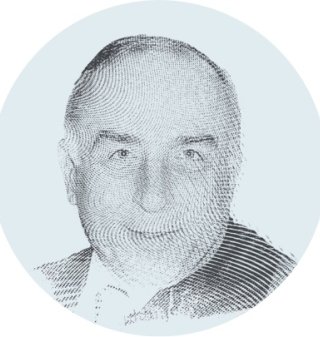
The Poet of Letters
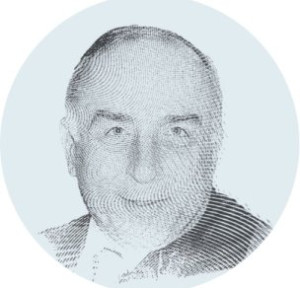
Poets, novelists, and writers are often asked a recurring question: What are your best hours for writing? Most of the greats answer that it is the morning hours, when one is at the peak of energy and alertness.
T. S. Eliot, the poet of The Waste Land, took this principle to its furthest extreme. He moved from London to the countryside so that no one would disturb his mornings. He neither read newspapers nor listened to the radio nor received visitors before noon. He guarded the hours of dawn and morning as if they were a fortress.
Much of his life was spent fleeing weakness in others—a difficult way to live under any circumstances. He abandoned his homeland, his family, and a promising academic career to move to England and become a poet. He entered into a disastrous marriage that quickly descended into disappointment, frustration, and conflict.
By the mid-1930s, when he was nearing fifty, Eliot had completed the construction of his defenses. He allowed only the deepest and most private of his emotions to express themselves within carefully protected walls.
“I do not read newspapers, nor do I listen to the news in the morning. It is a matter of principle for me—a kind of formal discipline.”
Eliot chose his words with meticulous care. In fact, he did everything with care.
He was precise to the point of excess. Yet his strict regimen served another purpose as well: every writer understands the desire to protect those precious morning hours.
The recent publication of Eliot’s correspondence in ten volumes—with another twenty years of letters still yet to be covered—stands as a monument to the age before digital communication, indeed almost to the era before the telephone itself.
Most read