The News Is Arab — but the Source Is Israeli
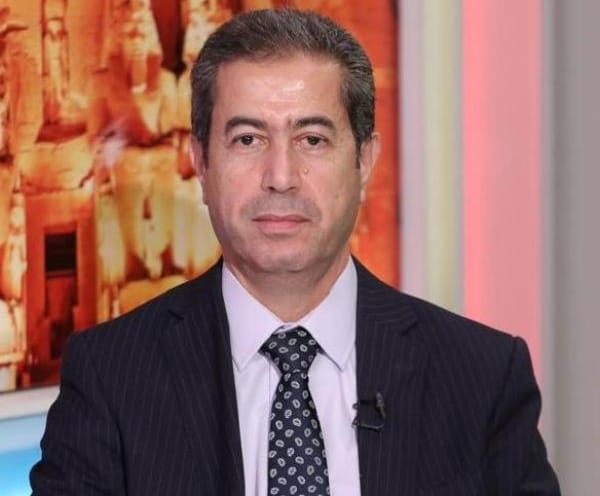
Dr: Theeb Qaralleh
Nearly two years into the war of annihilation waged by Israel against Gaza, observers have noted that much of the Arab media—across television, radio, print, and digital platforms—has increasingly relied on Hebrew-language Israeli outlets as sources for news coverage and political, economic, and social analysis, as well as for reading Israeli domestic dynamics and regional and international reactions.
As a result of this Israeli news and analysis “flood” — sometimes absorbed without sufficient scrutiny — the names of Israeli media organizations such as Kan, Channels 11, 12, and 13, Yedioth Ahronoth, Army Radio, and others have become familiar, accepted, and at times even trusted by Arab audiences, without full awareness that they function as instruments of war.
It is worth asking—albeit belatedly—about the benefits and dangers of this heavy reliance on Israeli media as sources for Arab news and analysis. Has this dependence ultimately strengthened the Israeli narrative? And has it weakened the Palestinian-Arab one?
Since every behavior has underlying motives, as psychology reminds us, it is important to examine why some Arab media outlets turn to Israeli sources. Studies suggest the reasons are straightforward: ease of access in Arabic and Hebrew, the presence of intelligence-style information, in-depth analysis, and investigative reporting on Israeli affairs and regional developments—making these outlets appear professionally valuable.
Yet these advantages do not erase a fundamental reality: dependence on Israeli media risks reproducing Israel’s version of events, even when skepticism is expressed. Many Israeli outlets disseminate inaccurate, biased, or strategically framed information serving political or intelligence objectives—yet it is often relayed uncritically, without assessing its purpose or impact, while ignoring the fact that Israel treats media as a core weapon of warfare.
The alternative—and first step away from this dependency—is to develop strong Palestinian and Arab news sources that offer independent, fact-based perspectives rather than emotional reactions. This includes strengthening networks of journalists and correspondents inside Palestine to deliver accurate, comprehensive reporting, and educating Arab audiences about the risks of relying on Israeli sources for both news and interpretation.
According to Palestinian analysts most familiar with Israeli political culture, media in Israel functions as a central ideological arm shaping collective consciousness and directing national perceptions and attitudes.
Over the past two years, Israeli media in all its forms has played a key role in constructing and hardening public consensus around the war on Gaza. It has largely avoided questioning military and security narratives, instead reproducing them almost verbatim, with little genuine accountability or critical inquiry.
Decades of Arab-Israeli conflict confirm that Israeli media is voluntarily aligned with nationalist ideology and the defense of state actions—especially during times of confrontation. This reality is captured in the well-known Israeli wartime phrase: “Let’s remain silent — there is shooting nearby.”
At the same time, this same media demonstrates genuine rigor when covering internal Israeli affairs—political rivalries, party conflicts, and corruption scandals—explaining in part why it enjoys domestic credibility.
19 August 2025
Most read