
The Lost Opportunity of the Palestinian Elections!

|
النص الأجنبي |
|
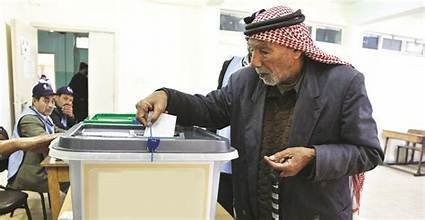
On September 22, I published an article on the “Need for Palestinian Elections,” in which I urged the Palestinian elite not to squander the opportunity presented by the decision to hold presidential and legislative elections. The reason is that holding elections is an important part of exercising sovereignty, demonstrating to the world the features of a democratic system, and introducing a new generation—one that has gone 22 years without choosing its own leaders, who hold the Palestinian people’s future in their hands—to the process of selecting its representatives. The “opportunity” here means seizing a moment that would allow the Palestinian people and leadership to establish some of the foundations of the state they aspire to create. That state has been recognized by 157 countries around the world, despite the fact that it does not yet exist in practice and that the world has not seen its institutions or a legitimate political system capable of speaking on its behalf. Postponing the elections until September 2027 cannot be justified by the Israeli obstacles, from the issue of Jerusalem to the difficult conditions in Gaza and the West Bank. Yet the Palestinian leadership was aware of these obstacles when it set November 28 as the date for the elections. This date falls after the US midterm elections on November 4 and before the Israeli elections on October 27 of this year. The timing was intended to capitalize on the current period, during which global public opinion has increasingly turned its attention to the Palestinian cause, and to encourage efforts to translate this growing interest into practical measures that would make elections possible. The period since October 7, 2023, and the enormous price paid by Palestinians in Gaza, the West Bank, and Israeli prisons, have carried Palestinian identity and its symbols—from flags to keffiyehs—into capitals around the world. Instead of seizing this opportunity, however, the Palestinian leadership’s decision to postpone the elections has left those who support Palestinian rights with disappointment. The Palestinian people now face a major test after traditional political strategies have failed to deliver on their promises. Fatah promised that diplomacy and negotiations would lead to independence. Hamas, meanwhile, promised that armed resistance would liberate Palestine. Yet time and sacrifice have brought neither strategy demonstrably closer to the goal of an independent state. The Palestinian Authority has also failed to establish an accountable system of governance. Nor can it justify having previously presented elections to the Palestinian people as a goal to pursue, only to abandon them later. Gaza has suffered catastrophic destruction, the West Bank remains under occupation, and settlement expansion continues. These realities are well known to Palestinians, but acknowledging failure is not easy when national identity has been shaped around strategies that are now being called into question. The same obstacles that previously stood in the way of elections are being presented once again as though they were newly discovered. There is absolutely no indication that these obstacles will soon be overcome or that the efforts to address them will become any more effective. Elections offer other benefits as well, since they provide an opportunity for national dialogue about the period that has passed and what lies ahead. In essence, elections serve as a means of reviewing and reassessing the past. The Israeli peace activist Gershon Baskin concluded an article by stating that the fundamental question facing Palestinians today is not whether they will continue their struggle for freedom, but whether they are prepared to rethink the nature of that struggle, the means they employ, and the goals they seek to achieve.
|
Most read