Syria: Critical Questions and Absent Answers
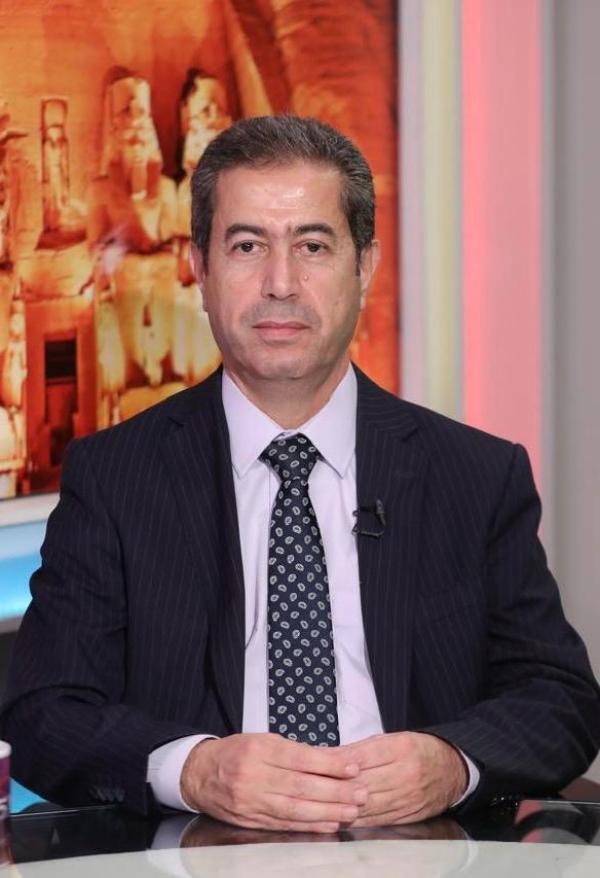
Dr: Theeb Qaralleh
Recent developments in Syria over the past days require not merely calm reflection, but rather intense and vigorous brainstorming in an attempt to read the unfolding scene at an early stage—so that all concerned parties may seize the opportunity to act proactively instead of waiting to deal with outcomes through reactive policies that often squander valuable political opportunities.
It should not be forgotten that less than two months ago, the U.S. Secretary of State warned that Syria might be only weeks away from a broad security collapse that could evolve into a civil war. Today, we are witnessing early signs of developments which—if they continue and expand—could indeed lead to such a scenario.
This raises a logical question: were the U.S. Secretary’s assessments based on deep analytical readings of the Syrian situation, or were they rather summaries of ready-made plans stored in the drawers of intelligence agencies in Washington and Tel Aviv—plans capable of being activated once a political decision is made?
When we observe Washington’s recent positive diplomatic momentum toward Damascus—most notably its warning to Israel against targeting the Syrian army around Suwayda—one cannot help but be astonished by Israel’s complete disregard for these warnings. Only hours later, Israeli strikes targeted the General Staff headquarters in the heart of Damascus. This prompts a crucial question: who is leading whom—Israel or the United States?
Despite all the political reassurances, facilitation measures, and steps taken by Damascus toward Israel, Tel Aviv has responded with nothing but further violations of Syrian sovereignty, continued territorial encroachment, control of Syrian airspace, and interference in internal affairs—most recently in Suwayda—effectively turning southern Syria into a zone of influence and a strategic backyard. What more does Israel seek from Syria?
In a phone conversation with a friend in Washington about the evolving Syrian situation, I asked whether the United States genuinely seeks stability in Syria. His answer was revealing: “Yes—but while Arab states view stability as the existence of a unified Syrian state, Israel may perceive stability through sustained chaos or even fragmentation.”
Accordingly, the developments in Suwayda may well represent a live-fire rehearsal for what could unfold in the future. One can easily imagine a scenario in which unrest in Suwayda coincides with Kurdish tensions in northeastern Syria and renewed violence along the Syrian coast. Would the authorities in Damascus possess the military, security, economic, logistical, and political capacity to manage crises across the entire Syrian geography simultaneously?
Discussions about Syria’s future do not remain confined to internal dynamics. In the “dark rooms” where regional maps and power balances are being redrawn, Syria’s role as a hub of influence over neighboring Iraq and Lebanon is central. Circulating reports and ongoing discussions point toward a potentially inevitable sectarian confrontation with Iraq’s Popular Mobilization Forces and Hezbollah. Could the current events represent a necessary prelude to such a broader confrontation?
Since asking the right questions deepens understanding and sharpens responses, Jordan—given its long and sensitive border with southern Syria and its intricate social and political ties with the region—must seriously factor in the possibility of such developments. It should begin immediately taking proactive measures to safeguard its national security, for wisdom dictates that one should not be bitten twice from the same hole.
Strengthening Jordanian political, security, and social engagement in southern Syria is not a luxury but a necessity. It is entirely feasible—but requires initiative rather than hesitation, engagement rather than withdrawal. When everyone is moving, stagnation carries no meaning. Vacuums will inevitably be filled, and in the end, it is Jordan alone that will pay the price.
Most read