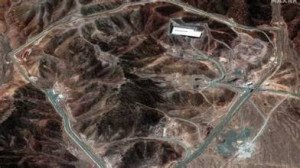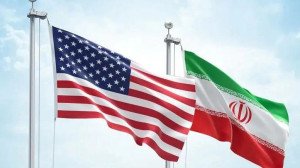

After nearly two weeks of direct military confrontation between Iran on one side and the United States and Israel on the other, it has become evident that the Middle East has entered a new phase of open-ended conflict—one that extends beyond limited strikes into a prolonged, multi-front engagement. What began as targeted attacks deep داخل Iranian territory, resulting in the assassination of senior leadership figures, has evolved into a sustained cycle of retaliatory operations targeting military bases and strategic interests. This escalation reflects a rapidly deteriorating security environment with diminishing prospects for diplomatic containment in the near term.
Within this increasingly volatile landscape, Russia emerges as a politically present yet militarily absent actor—an indication of the complex strategic calculations shaping its response, particularly as the war continues to unfold.
A Prolonged War and the Erosion of Diplomatic Options
As the conflict enters its second week, opportunities for diplomatic de-escalation have significantly narrowed. The scope of confrontation has expanded, and the objectives of the warring parties have grown more ambitious. The crisis is no longer defined by limited retaliatory actions but has instead become an open test of will, with each side seeking to impose new deterrence equations.
This shift places major international actors—foremost among them Russia—before a critical dilemma: how to engage with a rapidly escalating conflict without being drawn into direct confrontation or losing influence in a strategically vital region.
Russia: Between Demonstrating Support and Recognizing Limits
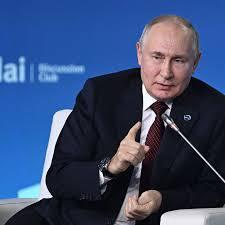
Since the outbreak of hostilities, Moscow has maintained a relatively consistent stance—condemning the attacks, affirming political support for Iran, and calling for an immediate ceasefire. However, this support has remained largely diplomatic, without translating into direct military involvement, even as the conflict intensifies.
This restraint is driven by a set of strategic constraints. Chief among them is the ongoing war in Ukraine, which continues to drain Russian military and economic resources, compelling the Kremlin to prioritize carefully. Moreover, any direct military engagement in the Middle East risks opening a new front with the United States—an outcome Moscow is keen to avoid at this stage.
Short-Term Gains vs. Long-Term Strategic Costs
While the ongoing war in the Middle East has yielded certain indirect benefits for Russia—most notably diverting Western attention away from Ukraine and contributing to rising global oil prices, thereby supporting the Russian economy under sanctions—these gains come with potential long-term costs.
A weakened Iran would represent a strategic setback for Moscow, given Tehran’s role as a key regional partner and a pillar in counterbalancing Western influence. Herein lies the paradox: Russia may benefit from the conflict in the short term, yet stand to lose if Iran’s regional position erodes over time.
A Partnership Under Pressure: The Limits of the Russia-Iran Relationship
As the war continues, the boundaries of the Russia-Iran partnership have become increasingly visible. Despite growing coordination and prior military cooperation, the absence of mutual defense commitments underscores the reality that this relationship falls short of a formal alliance.
This dynamic is reflected in the nature of Russian support, which has thus far remained confined to political backing and limited indirect assistance. Such restraint has raised questions within Iranian circles about the extent of Moscow’s willingness to stand by Tehran during major crises.
At the same time, Iran recognizes the limitations of its strategic options, making Russia an indispensable—if not entirely reliable—partner.
Regional Balancing: A Key Constraint on Moscow
Russia’s Middle East policy has long been characterized by its ability to maintain balanced relations with competing actors—a strength that simultaneously serves as a constraint. Moscow has cultivated ties with Gulf states while preserving functional relations with Israel.
In the context of the ongoing war, any unequivocal alignment with Iran risks undermining these relationships. Such a shift could jeopardize Russia’s expanding economic and political engagements in the region—an outcome Moscow appears unwilling to risk.
The Future of Russia’s Role: Calculated Support and Strategic Patience
As the conflict enters a phase of attrition, Russia is likely to maintain its current approach—providing political support to Iran while avoiding direct military involvement. At a later stage, Moscow may seek to position itself as a mediator, should conditions become conducive to de-escalation.
Meanwhile, Iran is expected to push for greater military and technological assistance, potentially placing Russia in a difficult position between meeting the needs of a key partner and preserving its broader regional balance.
Conclusion: Pragmatism Under the Pressure of War
The ongoing conflict, now in its second week, highlights the core of Russia’s strategic approach—cautious pragmatism aimed at maximizing gains while minimizing risks. Moscow seeks to preserve its influence and support its partners, yet remains acutely aware of its limitations, treating the crisis as a space for managing balances rather than decisively shaping outcomes.
As the war continues to unfold, a critical question remains: can Russia sustain this delicate equilibrium, or will developments on the ground compel it toward more decisive—and potentially riskier—choices?
Most read


Read also