
Executive Summary
Heavy fighting has continued over the past hours and days around El Fasher, the capital of North Darfur, as the Rapid Support Forces (RSF) persist in their attempts to capture the city while the Sudanese Armed Forces (SAF) and allied forces continue defending it. At dawn today, the army carried out a new airdrop operation to deliver weapons and supplies to forces trapped inside the city—the second such operation in ten days. The arrival of new weaponry has intensified clashes, with fighting spreading into residential neighborhoods and resulting in civilian casualties. Local organizations have sounded the alarm about the worsening humanitarian situation, while the United Nations is pressing for increased international presence, the lifting of the siege, and the facilitation of humanitarian aid deliveries.
1. Current Military Situation
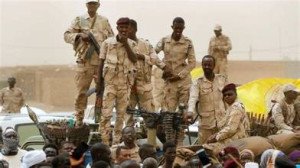
The city of El Fasher has been under siege since May 2024, with its entry and exit routes controlled by RSF forces, which have launched near-daily ground assaults supported by artillery and drones.
The Sudanese army conducted an airdrop at dawn to deliver weapons and supplies to its forces inside the city. This operation marked the second such airdrop in ten days, following a previous one carried out on 29 September. The latest airdrop coincided with the destruction of air-defense systems deployed around the city.
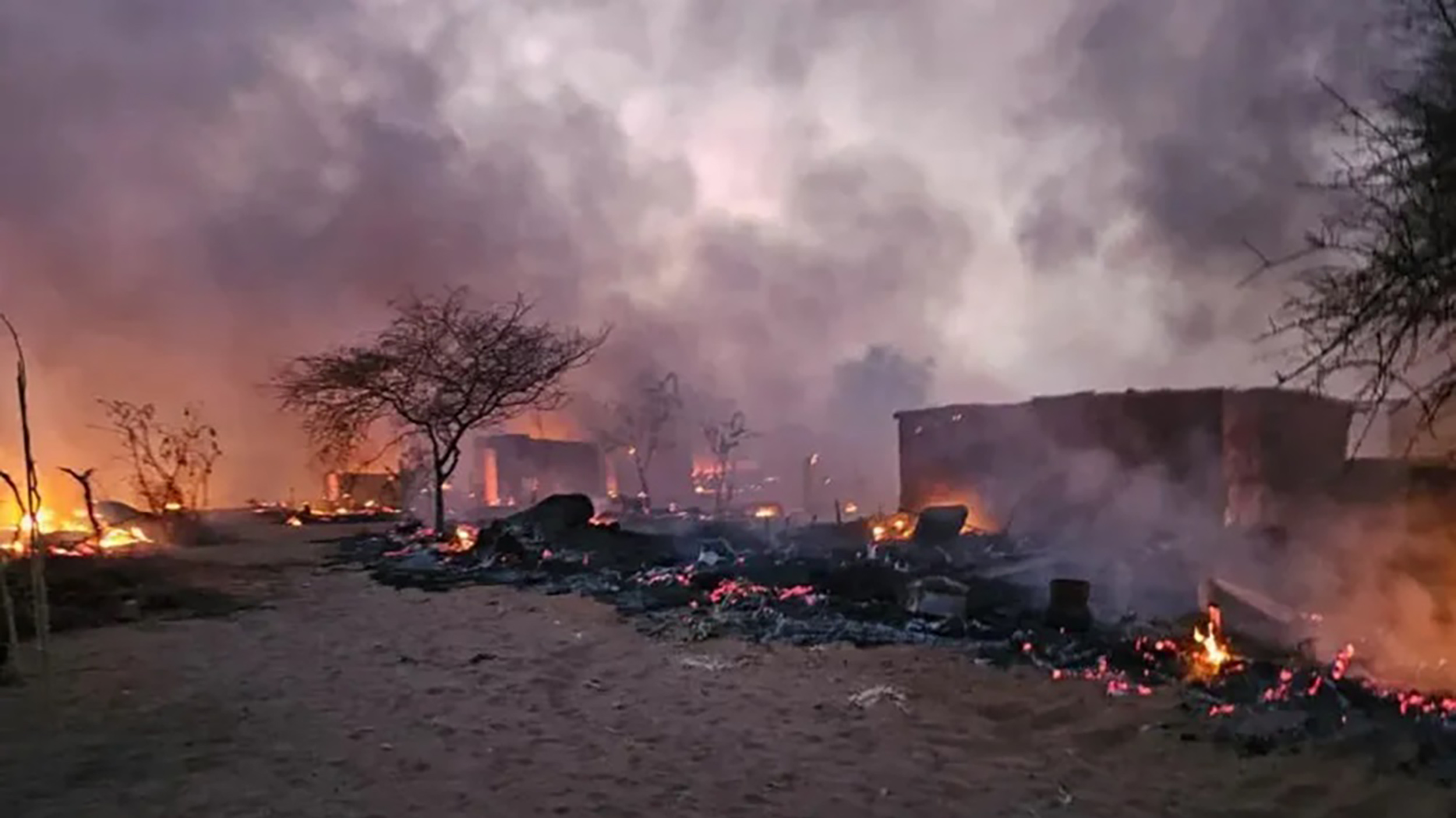
Clashes escalated and reached residential areas, with both sides exchanging accusations regarding casualties, targets, and claims of territorial control.
The RSF announced that it had shot down an Akinci-type drone and accused the army of using Turkish drones to commit “massacres” in other parts of Darfur. Government forces, meanwhile, asserted that they had repelled a multi-axis attack and inflicted heavy losses on the attackers.
2. Humanitarian Developments and Public Response
The El Fasher Resistance Committees Coordination warned of escalating violations in areas of active fighting, reporting incidents of “executions” inside homes. The group urged civilians living near frontlines to move to safer neighborhoods whenever possible.
The coordination committee also appealed to international organizations and the national leadership to conduct urgent humanitarian airdrops, citing severe shortages of food, medicine, and water, rising numbers of wounded individuals, and the spread of disease.
The United Nations stated that it is ready to provide assistance as soon as access is permitted and continues to push for expanded UN presence, the lifting of the siege, and the creation of safe humanitarian corridors. According to UN data, hundreds of thousands of civilians have remained trapped in El Fasher for more than 500 days.
3. Capability Assessment and Strategic Outlook
According to military analyst Brigadier General Jamal Al-Shaheed, the RSF’s continued attacks despite failing to achieve tangible progress reflect strategic confusion and poor situational assessment. Meanwhile, El Fasher has increasingly become both a symbol of resistance and a strategic center of gravity in the conflict.
The two recent airdrops represent a qualitative shift in the army’s operational flexibility and coordination between air and ground forces. They have partially broken the siege and provided critical supplies, helping restore the initiative to government forces.
Field reports also indicate growing internal tensions within RSF ranks regarding leadership, funding, and distribution of spoils. These disputes have weakened operational coordination and morale within the militia. In contrast, the armed forces appear more cohesive and are pursuing a systematic attrition strategy aimed at weakening the RSF before attempting a decisive resolution.
4. Implications for National Security and Surrounding Areas
If El Fasher were to fall, the RSF would gain significant propaganda and strategic momentum. Conversely, the city’s continued resistance strengthens the position of government forces both domestically and diplomatically.
At the same time, the ongoing siege and deteriorating humanitarian conditions are exacerbating displacement and placing growing pressure on regional centers and humanitarian services. These developments increase the likelihood of international escalation and calls for broader UN intervention.
5. Possible Scenarios
Scenario 1: Attrition and Continued Resistance (Relatively Likely)
RSF forces continue repeated attempts to capture the city but fail to break through. Meanwhile, the army strengthens defensive lines through aerial resupply operations and logistical airdrops, gradually eroding the militia’s operational capabilities.
Scenario 2: Limited Militia Advances
The RSF achieves localized tactical gains, potentially seizing key points on the outskirts of the city or along supply routes. This would intensify humanitarian pressure and prolong the fighting.
Scenario 3: Regional or International Escalation
Growing international pressure could lead to efforts to expand the UN presence or impose a temporary ceasefire, possibly accompanied by intensive diplomatic intervention. However, failure of such initiatives could trigger further escalation.
6. Urgent Recommendations
For Government Forces
- Maintain rules of engagement that minimize civilian casualties.
- Establish safe corridors for evacuating the wounded and civilians whenever feasible.
- Continue precise aerial resupply operations to ease the siege while reducing risks to civilians.
For the International Community and the United Nations
- Increase political pressure to ensure immediate humanitarian access.
- Support coordinated humanitarian airdrop operations designed to avoid harm to civilians.
- Facilitate the expansion of field protection and monitoring teams.
For Humanitarian Organizations
- Prepare emergency response plans for distributing aid through safe airdrops.
- Coordinate with local actors to ensure rapid delivery of assistance once access is granted.
For Local Communities and Civil Actors
- Organize safe evacuation channels where possible.
- Document violations to support future investigations and accountability processes.
Conclusion
Today, El Fasher is more than a geographic location in Darfur—it has become a symbolic and strategic focal point in the ongoing conflict. The recent airdrops have temporarily restored operational balance in favor of the defending forces, yet the humanitarian threat is escalating rapidly. This situation demands urgent, coordinated international action to prevent the accumulation of a humanitarian catastrophe and to avoid the conflict spiraling into levels that could become far more difficult to control.
Most read



Read also