
The Yazidis: An Ancient Faith Burdened by a History of Genocide

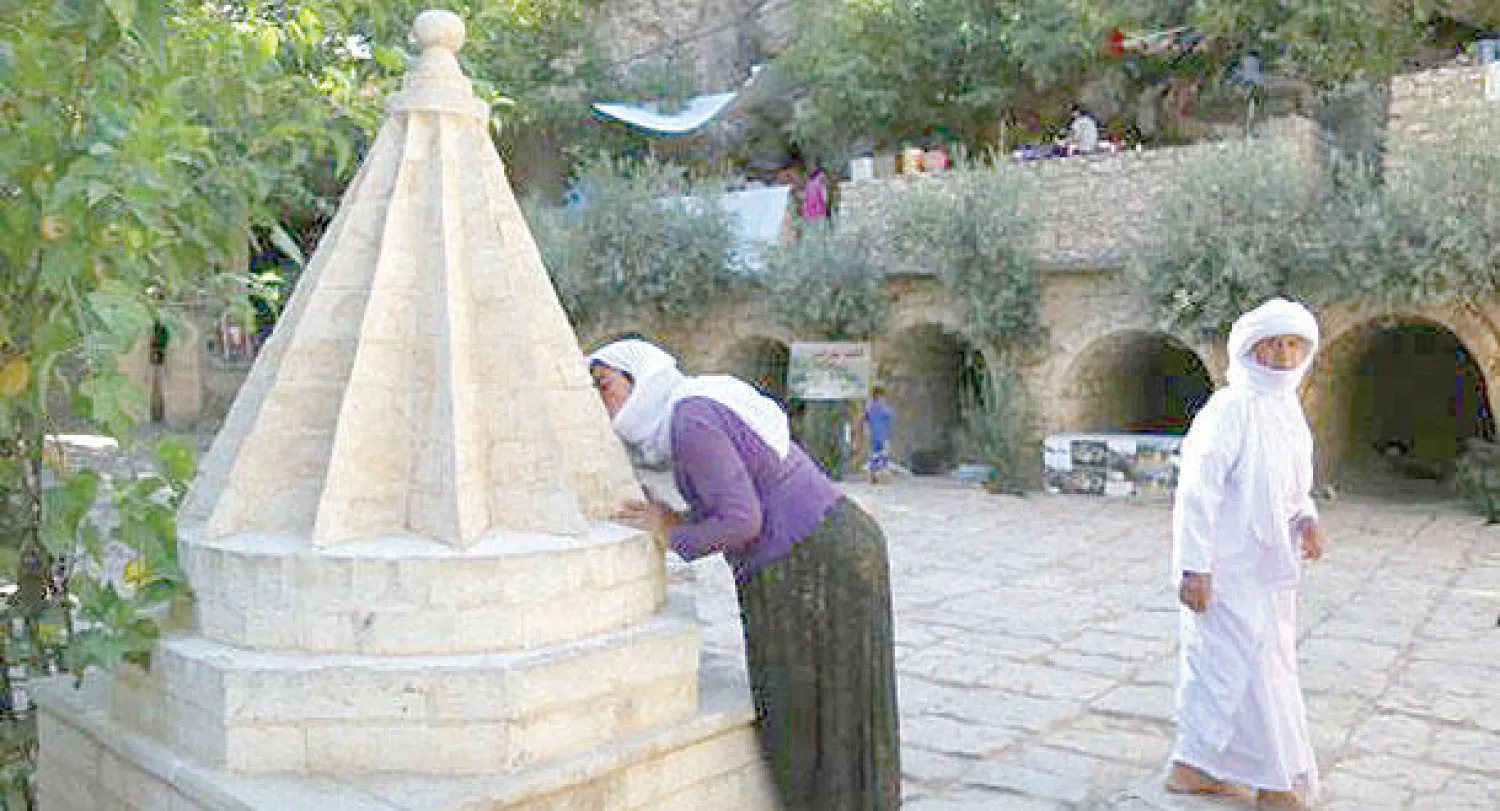
Although the Yazidi faith is considered one of the oldest religions in Mesopotamia, its followers remain among the most persecuted religious minorities in the Middle East. Over the centuries, Yazidis have endured repeated campaigns of persecution, forced displacement, and mass killings, culminating in the Islamic State (ISIS) assault on Sinjar in 2014, which the United Nations has recognized as constituting genocide.
Today, the global Yazidi population is estimated at around 1.25 million people. More than half live in Iraq, while large communities have settled across Europe—particularly in Germany—as a result of decades of forced migration driven by war and religious persecution. The exact number of Yazidis remaining in Iraq is difficult to determine because emigration and displacement continue.
An Ancient Religion Predating the Abrahamic Faiths
According to Yazidi scholars, Yazidism—also known as Yazdanism—is one of the ancient religions that originated in Mesopotamia thousands of years ago. It evolved from nature-based beliefs into a monotheistic faith while preserving a unique spiritual tradition distinct from the Abrahamic religions.
Yazidi researcher Khidr Domli explains that the religion's sacred texts are written in Kurdish and that the Temple of Lalish, located in the Kurdistan Region of Iraq, serves as the spiritual center of the faith. He also identifies Sheikh Adi ibn Musafir as the reformer who shaped the religion into its present form.
Unique Beliefs, Often Misunderstood
One of the most misunderstood aspects of Yazidism concerns Melek Taus (the Peacock Angel), who occupies a central place in the Yazidi faith as the chief of the angels and a symbol of the divine order. Misinterpretations by outsiders have long fueled misconceptions about Yazidi beliefs, which Yazidis firmly reject, emphasizing that their faith has its own independent theological framework.
Yazidis believe in one God and face the sun during prayer as a symbol of divine light. Their religious life includes daily prayers at sunrise and sunset, fasting, and pilgrimage to Lalish, which every Yazidi is expected to visit at least once in a lifetime.
A Closed Community Preserving Its Identity
Throughout its history, Yazidism has remained a non-proselytizing religion. One cannot convert to the faith; only those born to two Yazidi parents are considered Yazidi. The community also follows a traditional social structure governing marriage and religious affiliation, reflecting its determination to preserve its religious and cultural identity across generations.
Lalish: The Spiritual Heart of Yazidism
Located in northern Iraq, the Temple of Lalish houses the shrine of Sheikh Adi ibn Musafir and serves as the headquarters of the Yazidi Supreme Spiritual Council. It attracts thousands of pilgrims every year and hosts the community's most important religious celebrations, including the Feast of the Assembly (Jama), the Yazidi New Year—known as Red Wednesday—and several other festivals based on the Yazidi religious calendar.
A Long History of Persecution
According to Yazidi historical tradition, the community has suffered dozens of campaigns of persecution and mass violence throughout history. These began with military campaigns during the Persian and Ottoman eras, continued through the nineteenth century, and extended into the early years of the Iraqi state in the 1930s. The darkest chapter, however, came with the ISIS assault on Sinjar in 2014.
During that attack, hundreds of Yazidis were killed, thousands of women and girls were abducted, and numerous religious shrines were destroyed. Dozens of mass graves have since been uncovered, and forensic teams continue to recover the remains of victims. According to the statistics cited in the source material, approximately 1,280 Yazidis were killed, more than 6,400 people—mostly women and children—were abducted, and many remain missing to this day.
International Recognition of Genocide
In recent years, important legal developments have brought international recognition to the crimes committed against the Yazidis. A German court issued the world's first conviction for genocide against a member of ISIS, sentencing an Iraqi defendant to life imprisonment after finding him guilty of genocide, crimes against humanity, and war crimes committed against Yazidis.
Looking Beyond Genocide
More than a decade after the ISIS attack, the Yazidi community continues to face enormous challenges, including the return of displaced families, the search for missing persons, the reconstruction of Sinjar, and the preservation of its religious and cultural identity amid ongoing emigration.
At the same time, Yazidis continue their efforts to document their religious heritage, preserve their traditions, and ensure that the atrocities committed against them receive lasting international recognition. For the community, justice, accountability, and guarantees against future persecution remain essential to securing its future.
Most read