When Women Narrate the Human Story

Cairo – Foresight
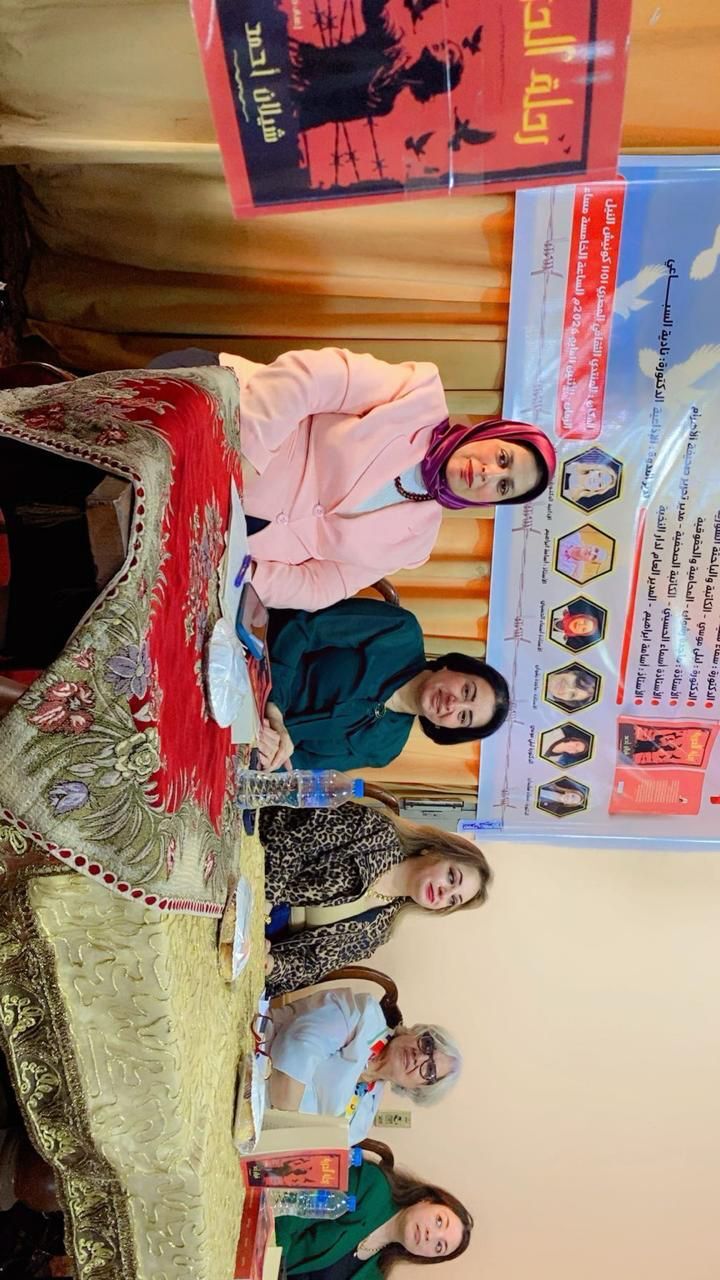
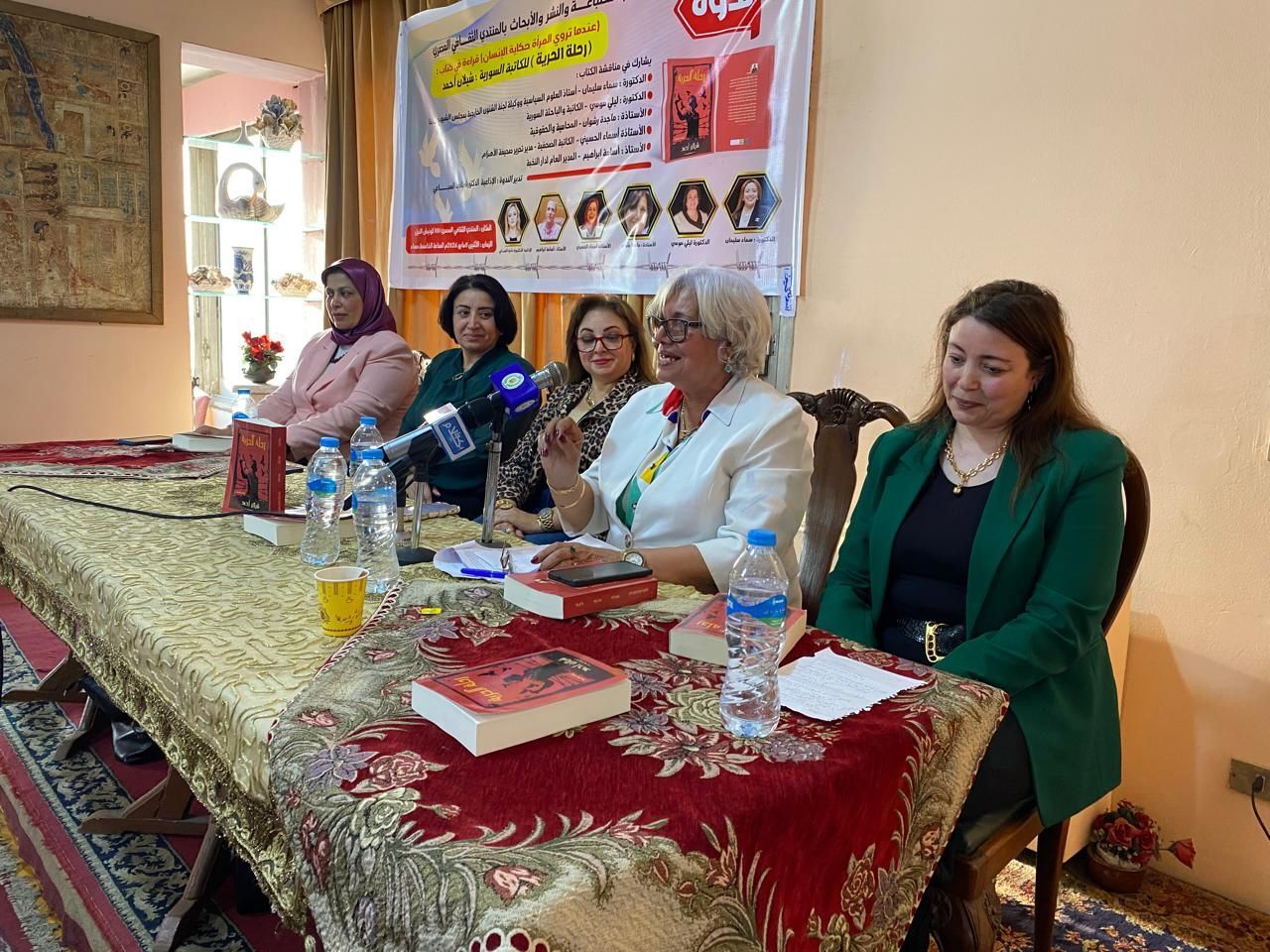
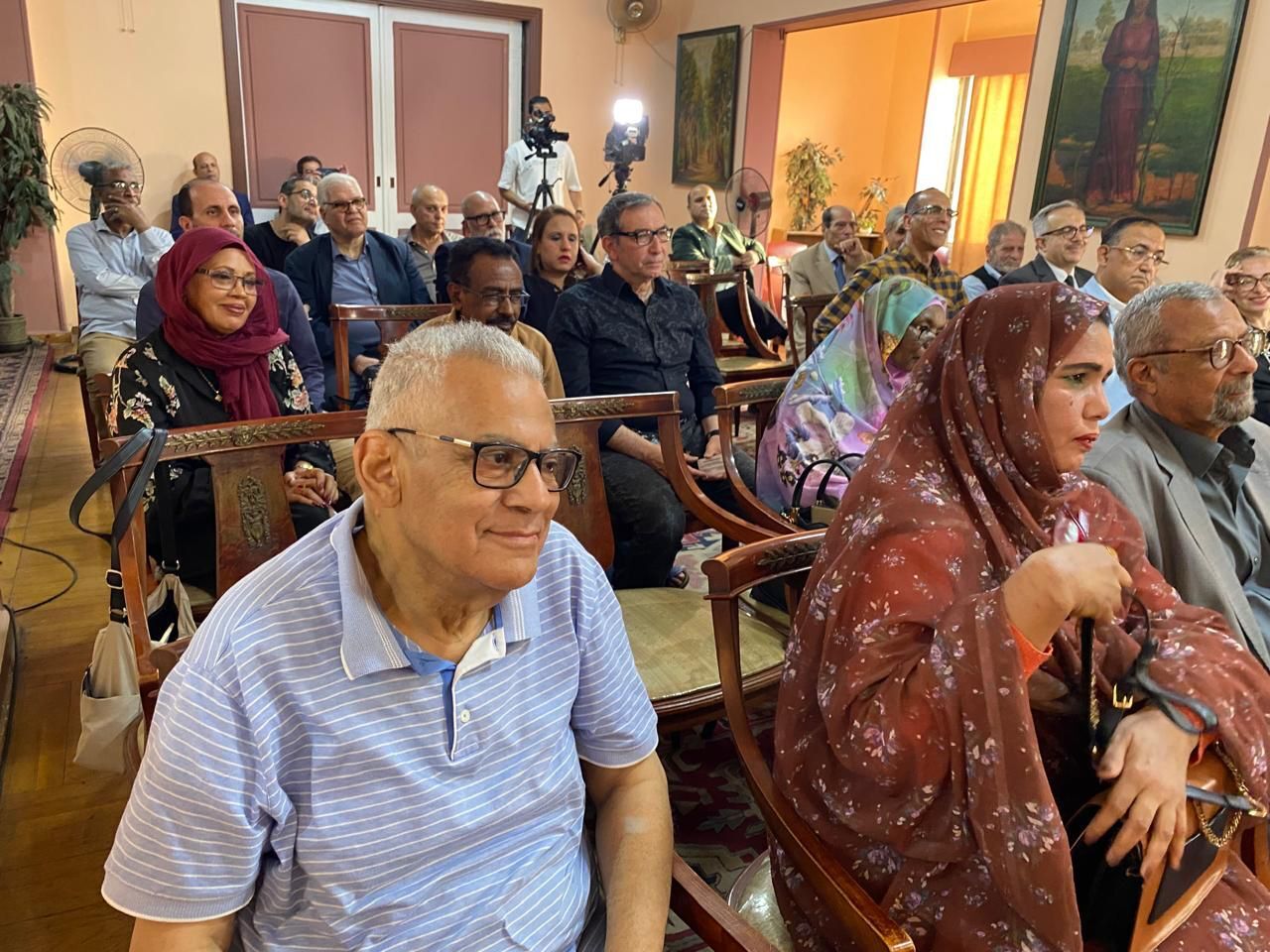
The Egyptian Cultural Forum in Cairo hosted a symposium today entitled “When Women Narrate the Human Story: A Reading of the Book Journey of Freedom,” organized by Nokhba Publisher.
Under the theme “Biography as a Mirror of Transformation,” journalist Asmaa Al-Husseini, Managing Editor of Al-Ahram newspaper, presented a human-centered reading of the experience of the book’s author, Shilan Ahmed, highlighting how personal memoirs can evolve from individual narratives into testimonies reflecting an entire historical period experienced by the region.
In a paper titled “Kurdish Women: Transforming Roles and Shaping Presence,” Laila Mousa discussed the experience of the Women’s Protection Units (YPJ) in northeastern Syria and the role women played in moving from the margins to active participation — not only during times of crisis, but also in rebuilding communities and promoting the values of justice and dignity.
Meanwhile, lawyer Magda Rashwan presented a paper entitled “Organized Women’s Experiences and Their Role in Confronting Challenges,” in which she examined the experience of the Women’s Protection Units in terms of organizational discipline, their role in protecting local communities, their contribution to confronting extremism, and the future potential for integrating such experiences within broader national frameworks.
For her part, Dr. Samaa Suleiman, Professor of Political Science and former Deputy Chair of the Foreign Affairs Committee in the Egyptian Senate, delivered a presentation titled “From Experience to Social Partnership,” discussing how difficult experiences can be transformed into opportunities for rapprochement among the peoples of the region, as well as the role cultural and media initiatives can play in building bridges of trust between Arab and Kurdish communities.
The symposium was introduced by Osama Ibrahim, Director of Elite Publishing House, which published the book, and moderated by media scholar Dr. Nadia El-Sebaie.
At the conclusion of the event, participants issued a series of recommendations emphasizing that the experience of the Women’s Protection Units in northeastern Syria represents one of the most significant and inspiring women-led experiences in the region in recent decades — not only because of its role in confronting terrorism, but also because of its ability to transform women from victims of war into active partners in protecting society and shaping stability.
The symposium praised the role played by the Women’s Protection Units in confronting داعش and other extremist organizations, noting that their experience transcended the traditional military dimension and contributed to strengthening women’s presence in political, social, and cultural life.
Participants also called for the Kurdish women’s experience to be studied academically and in the media as a contemporary model for redefining the role of women in societies affected by conflict and crisis, and for lessons from this experience to be used in developing new approaches to women’s empowerment across the region.
The symposium stressed that women’s empowerment should not remain a symbolic slogan or ceremonial discourse, but must instead be translated into practical policies enabling women to participate meaningfully in decision-making, peacebuilding, community protection, and development processes.
It further called for drawing upon both historical and contemporary experiences of Arab and Kurdish women alike, describing them as rich experiences that have demonstrated women’s ability to play influential leadership roles in thought, culture, media, civil society, politics, and even security-related fields.
Participants emphasized that confronting extremism cannot be achieved through military means alone, but also requires building awareness, culture, and social resilience while promoting the values of justice, partnership, and respect for diversity — values in which Kurdish women have played a prominent role within local communities.
The symposium also stressed the importance of supporting women’s participation in political settlements and state-building processes in Syria and the wider region, and of benefiting from the expertise women accumulated during years of war and crisis to ensure more balanced and equitable participation in the future.
Speakers highlighted the importance of preserving the social and cultural gains achieved by women in northeastern Syria over recent years and developing them within national and legal frameworks that ensure their sustainability and future expansion.
The symposium also praised Egypt’s historical and cultural role as a regional space for dialogue, openness, and the hosting of intellectual and cultural initiatives, as well as the pioneering role played by Egyptian women throughout modern history in national struggle, education, culture, and public life.
Participants urged cultural and media institutions to highlight the stories of inspiring women across the region and to transform these experiences into books, documentaries, artistic productions, and educational materials that promote a culture of hope, belonging, and human partnership.
The symposium further called for expanding spaces for cultural and humanitarian dialogue among the peoples of the region, particularly through initiatives focused on shared human and social values and on the role of women and youth in building a more stable and cooperative future.
Among the recommendations was the launch of future programs, seminars, and workshops dedicated to exchanging women’s experiences in community leadership, media, cultural work, and local development, with the aim of building networks of cooperation that transcend traditional divisions and conflicts.
Finally, participants stressed the importance of documenting the human memory associated with resistance to terrorism and the defense of society, particularly the testimonies and experiences of women who played pivotal roles during those periods, in order to preserve collective memory for future generations.
The symposium concluded with a call to transform its outcomes into sustainable cultural and media projects, including articles, short films, public dialogues, and digital content, in order to broaden the impact of the humanitarian and intellectual messages discussed during the event beyond the confines of the conference hall and its immediate audience.
Most read

Read also