Iranian Protests in Their Historical and Political Context

Dr. Taha Ali Ahmed
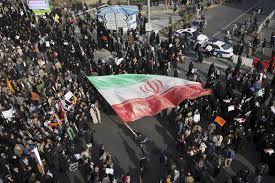
In recent weeks, protests have expanded across a number of Iranian cities, followed by tightened security measures that have resulted in a death toll reportedly higher than that recorded during previous waves of unrest over past decades, according to estimates by activists and human rights organizations. This level of violence has revived historical comparisons with the turbulent period preceding the establishment of the Islamic Republic in 1979, reopening debate over the nature of the challenges currently facing Iran’s political system.
The present developments do not appear to be merely another transient protest cycle, but rather an indication of a sensitive phase in state–society relations, shaped by intertwined political, economic, and social factors. All signs suggest that while segments of the population are increasingly willing to express public dissent, state institutions continue to rely on traditional mechanisms to maintain control over the streets.
In the late 1970s, Iran experienced widespread unrest marked by confrontations between forces loyal to Shah Mohammad Reza Pahlavi and a growing opposition movement. Protests at the time took multiple forms, including mass demonstrations and violent acts targeting facilities and interests, alongside a steady escalation in participation that eventually brought millions of Iranians into the streets and culminated in the Shah’s departure from the country.
During this period, the return of Ayatollah Ruhollah Khomeini from exile in France represented a decisive turning point in reshaping the political system. State institutions were reconstructed around the principle of Velayat-e Faqih (Guardianship of the Jurist), and subsequent developments surpassed the expectations of many groups that had participated in the revolutionary movement.
The Revolution Between Internal Transformation and External Conflict
Following the establishment of the Islamic Republic, Iran underwent profound political and security restructuring, accompanied by trials and executions of former officials, military officers, and cultural and political figures. The country soon entered an eight-year war with Iraq, while new social policies were introduced, including the imposition of mandatory hijab.
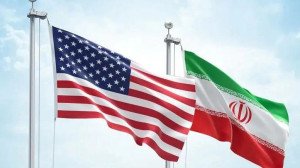
Simultaneously, Iranian–American relations deteriorated sharply, particularly after the seizure of the U.S. embassy in Tehran in 1979 and the hostage crisis that lasted 444 days—an episode that left long-lasting regional and international repercussions.
With the eruption of the latest protests, Iranian authorities have again resorted to security measures, including restricting internet access, disabling communication channels, and deploying large numbers of security forces. Human rights reports and circulated footage suggest the use of force to disperse demonstrations, though assessments of the scale and nature of violence vary due to media restrictions and limitations on independent journalism inside the country.
Possible Explanations for the Escalation
There is, as yet, no definitive explanation for the heightened level of violence compared to earlier protest movements such as those of 2009 or the demonstrations of 2022. Independent verification remains difficult under current media constraints.
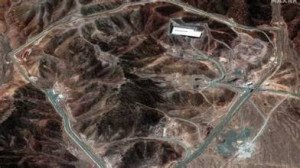
Nevertheless, economic grievances may play a significant role in fueling the protests, given their capacity to transcend political, ethnic, and religious divisions within Iranian society. Additionally, the aftermath of recent military confrontations—particularly strikes on sensitive military installations—appears to continue shaping the domestic climate and influencing public sentiment.
Official Discourse and the Narrative of External Interference
Recent developments have been accompanied by official rhetoric accusing foreign actors of orchestrating the protests and labeling some participants as security threats or terrorists. This discourse invites historical comparison with the narratives employed by the monarchy prior to 1979, when foreign conspiracies were frequently blamed for internal unrest—mirroring the language adopted by the current authorities since the revolution.
Despite these historical parallels, today’s context differs in several key respects, including the international environment, the scope of sanctions imposed on Iran, and signals from the current U.S. administration regarding future policy options. Still, the pre-1979 comparison remains analytically useful in highlighting potential risks, even if the authorities manage to contain the unrest in the short term.
Overall, current indicators do not necessarily point to an imminent decisive moment or a final turning point. However, the convergence of expanding protests, intensified violence, and persistent economic and social pressures suggests that Iran may be entering a more complex and volatile phase. Historical experience indicates that reliance on security measures alone may provide temporary stability but is unlikely to address the deeper roots of tension over the long run.
Most read


Read also