Disruptions in the Strait of Hormuz and Their Potential Implications for Global Energy Security

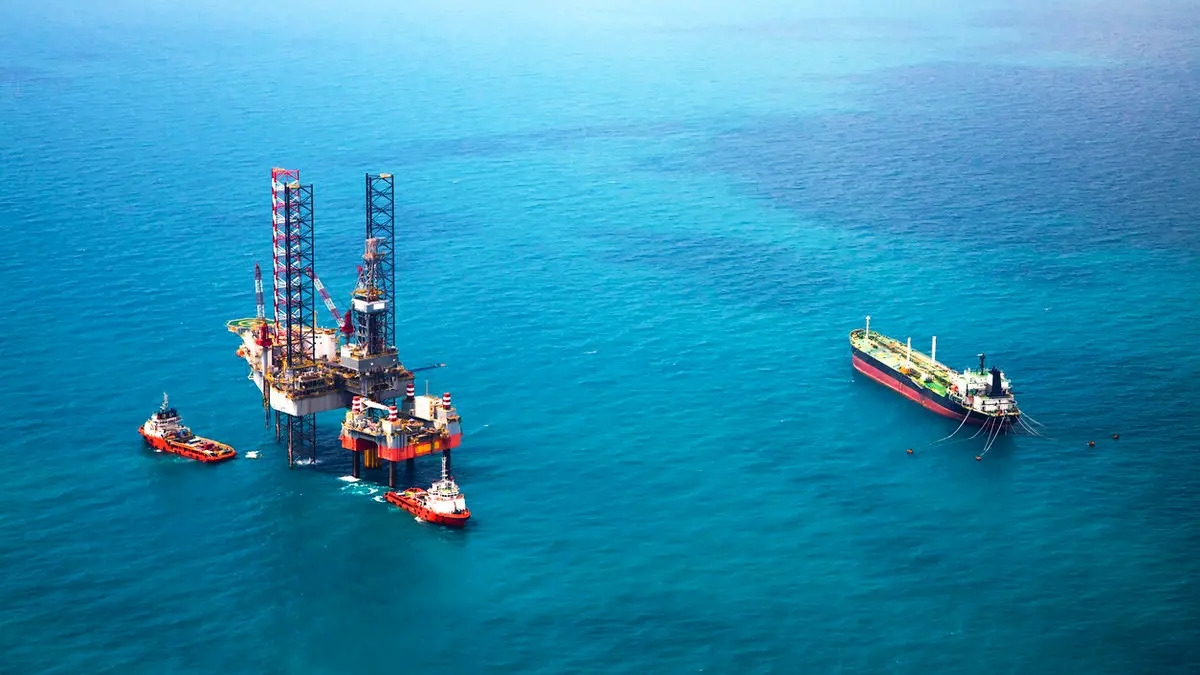
The Gulf region is witnessing rapid developments that have revived longstanding concerns about global energy security, amid the intensifying conflict involving the United States and Israel on one side and Iran on the other. As strikes targeting Iranian leadership and infrastructure continue, and Iranian threats of retaliation escalate, signs have emerged of disruptions to maritime traffic in the Strait of Hormuz—one of the world’s most strategic oil transit routes.
More than 30 percent of globally traded seaborne oil passes through this strait, making it a critical chokepoint for the global economy. In recent days, the region has seen a significant decline in vessel traffic, with some shipping companies postponing voyages while insurance firms reassess the risks associated with transiting the strait. These developments highlight the sensitivity of global markets to any event that may threaten the continued flow of oil supplies from the Gulf region.
The Strait of Hormuz at the Center of Energy Security
For decades, the Strait of Hormuz has represented a central pillar of the global energy system. Gulf oil-producing states rely on it as a primary route for exporting crude oil to international markets, while major industrial economies—particularly in Asia—depend heavily on the stable flow of these supplies.
In this context, any disruption to navigation in the strait—whether caused by direct security threats or rising insurance and shipping costs—can quickly translate into market repercussions. This has already been reflected in recent increases in oil prices, as market participants grow increasingly concerned about the possibility that disruptions could expand or persist for an extended period.
Although the rise in prices remains within levels that markets can currently absorb, continued tensions or a widening of the conflict could push prices significantly higher, particularly if actual supplies are affected or shipping routes are disrupted for a prolonged period.
Uncertainty in Energy Markets
At present, markets are facing several sources of uncertainty. These include the duration of military tensions in the region, the possibility of broader disruptions to maritime traffic, and the capacity of commercial and strategic inventories to compensate for any potential supply shortfalls.
Expectations regarding government behavior also play a significant role in shaping market trends—whether through the potential use of strategic reserves or through international coordination aimed at stabilizing supply flows. Under such conditions, market expectations and political signals can influence energy markets almost as strongly as developments on the ground.
Strategic Reserves and International Coordination
To address potential energy crises, industrialized countries have relied since the 1970s on a set of institutional mechanisms designed to mitigate market disruptions. Among the most important of these is the International Energy Agency (IEA), established in 1974 in the aftermath of the oil crisis, along with the strategic petroleum reserves maintained by major economies.
These mechanisms are designed to provide emergency oil supplies that can be released during crises to compensate for disrupted production and allow markets time to adjust. They also facilitate coordinated responses among major energy-consuming countries, helping to limit sharp price volatility.
Past experiences suggest that speed of response is a critical factor in managing oil crises. In several historical cases, delays in decisions regarding the use of strategic reserves contributed to heightened price volatility and deepened uncertainty in global markets.
Energy markets are influenced not only by actual supply levels but also by expectations and policy signals. Simply announcing the possibility of releasing strategic reserves can help calm markets and reduce price pressures—even before such measures are implemented. Conversely, a lack of clarity regarding government policy may lead market participants to adopt more cautious strategies, such as holding onto inventories or delaying sales, which can further drive up prices.
Global Implications
Internationally, any potential disruption in the Strait of Hormuz would not be limited to oil-producing or directly consuming countries but would affect the global economy as a whole. Major Asian economies—particularly China, India, and Japan—depend heavily on oil imports from the Gulf, making them directly concerned with maintaining stable maritime transit in the region.
Moreover, a prolonged disruption could encourage consuming countries to seek alternative supply sources or accelerate changes in energy policy, including diversifying import routes and expanding investments in alternative energy.
Conclusion
Overall, recent developments in the Gulf underscore the continued vulnerability of the global energy system to geopolitical tensions. The Strait of Hormuz remains a pivotal artery for international oil trade, and any disruption there could have consequences extending far beyond the region.
In this context, international coordination and rapid response are essential to mitigating the effects of potential crises—whether through the use of strategic reserves or through enhanced cooperation between energy-producing and energy-consuming states. As uncertainty persists, global energy markets will continue to closely monitor developments in the region, amid growing recognition that energy security is closely intertwined with geopolitical stability.
Most read



Read also