Calm Before the Storm? Inside the Israel–Iran De-Escalation

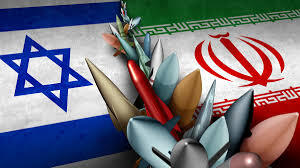
Anyone examining the policy of Israeli Prime Minister Benjamin Netanyahu will find no position more consistent than his hardline stance toward Iran. For decades, he has relentlessly warned of the dangers of Tehran acquiring nuclear weapons, arguing that a regime that openly chants “Death to Israel” and proclaims existential hostility represents a direct threat to Israel’s security and survival.
This perception has long shaped relations between the two sides, which for years took the form of a shadow war before becoming more overt following the October 7, 2023 attack carried out by Hamas in Palestine, with at least political backing from Iran. Since then, Israel and Iran have engaged in three rounds of direct confrontation, culminating in a limited 12-day war last June. Despite the cessation of fighting, there are no real indications that the conflict has reached its peak or come to an end.
A Tactical Retreat, Nothing More
Recent months have brought an unexpected development. As Iran grapples with mounting internal unrest driven by deteriorating economic conditions, soaring inflation, and growing public discontent, Netanyahu appears to have taken a step back. Reports have spoken of an undeclared understanding between Tel Aviv and Tehran to avoid direct confrontation, while Gulf states reportedly played a role in persuading US President Donald Trump not to launch a military strike against Iran.
Yet most assessments suggest this arrangement amounts to little more than a tactical truce imposed by temporary circumstances — not a strategic shift in the deeply entrenched hostility between the two sides. All indicators point to this calm being short-lived, with the next round of confrontation likely to be broader and more costly than those before.
Mounting Military Constraints
Israel’s restraint can largely be explained by operational rather than strategic calculations. The June war demonstrated that Iranian missiles are capable of inflicting tangible human and material losses inside Israel, despite the effectiveness of Israeli and American air defense systems. By the war’s end, signs had emerged of declining interceptor stockpiles — particularly advanced systems — alongside a reduced US military presence in the region compared to earlier periods.
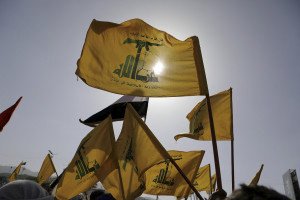
At the same time, Israel faces more immediate pressures on its northern front. Hezbollah, despite the losses it sustained in the autumn of 2024, still retains substantial military capabilities, reinforced by reports of continued financial support from Tehran. In effect, these realities appear to have pushed Israel to postpone another direct clash with Iran until nearer and more pressing threats are addressed.
Refocusing on Iran
Even so, this fragile balance seems unlikely to last. Israel has begun reinforcing its defensive capabilities, with pledges to accelerate missile production and test more advanced systems. On the Lebanese front, despite the launch of disarmament arrangements targeting Hezbollah, Israeli leaders argue that current steps remain insufficient — leaving them torn between pursuing a political track or opting for military resolution.
Any escalation there will inevitably redirect Israel’s focus back toward Iran. Despite the significant damage inflicted by recent airstrikes on Iran’s nuclear program, Tehran has not abandoned its ambitions. Several reports suggest that the Supreme Leader has secretly approved the development of compact nuclear warheads, alongside the emergence of new, deeply fortified underground nuclear sites.
An Arms Race and Expanding Risks
In parallel, Iran is rebuilding its conventional military capabilities. Numerous reports point to Chinese assistance to its missile program, accelerated civilian nuclear cooperation with Russia, and even allegations of chemical and biological weapons initiatives — all reinforcing Israeli fears that the Iranian threat is not diminishing but evolving.
Within this context, Israel’s security doctrine is increasingly shifting toward preemption rather than deterrence, particularly after Iran proved capable of launching direct missile and drone attacks. Domestic politics also play a role: as Netanyahu heads into the 2026 election year, he faces pressure to demonstrate his ability to guarantee security amid a hard-right coalition that rejects any appearance of leniency toward Iran.
A Larger War on the Horizon?
Growing Israeli rhetoric about a new preemptive strike reflects this strategic shift. Iran, despite efforts to repair its air defenses, remains relatively vulnerable — creating an operational window Israel may be reluctant to miss. Yet any future confrontation is likely to be more complex and expansive, given the dispersion of Iranian targets and the existence of heavily fortified facilities that could require direct US military support.
For its part, Tehran is betting that Israel cannot sustain a prolonged and costly war, while also seeking to avoid a rapid defeat that could destabilize the regime domestically, particularly as the aftershocks of widespread protests remain fresh.
The End of a Truce, the Start of a More Dangerous Phase
The Middle East is no stranger to surprises. Developments such as renewed unrest in Iran, public fatigue within Israel, or shifting great-power calculations could all reshape the landscape. Yet overall, the current de-escalation between Israel and Iran appears far more like a brief intermission between rounds of conflict than a durable peace.
When this truce collapses — as many indicators suggest it will — the next confrontation is likely to be wider in scope, more destructive, and far more complex than anything seen before.
Most read



Read also