

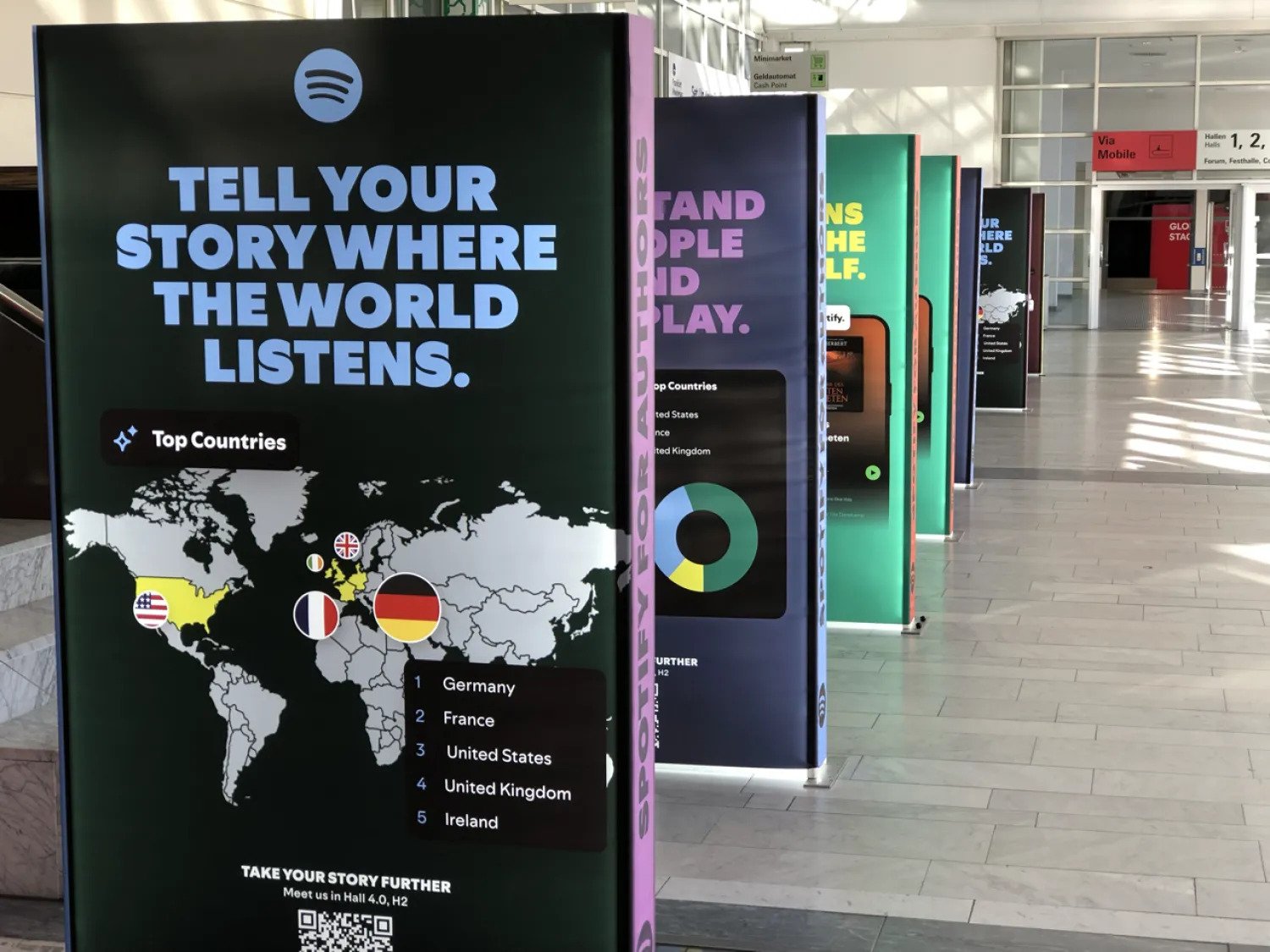
Audiobooks are no longer merely an alternative format for printed books. They have become a cultural experience that opens new avenues for engaging with literature and raises fresh questions about the nature of reading and the ways in which texts are received. The growing attention they received at the 2026 Frankfurt Book Fair reflected this transformation, with dedicated spaces bringing together publishers, producers, and narrators, while offering audiences opportunities to discover audio titles and explore the voices that bring them to life.
The distinctive appeal of audiobooks goes beyond transferring words from the page to the ear. The narrator’s tone, rhythm, and pauses become influential elements in the audience’s reception and interpretation of a text. The experience takes on an additional dimension when authors narrate their own memoirs or when fictional characters become associated with voices that remain in the audience’s memory. Nevertheless, listening is not inherently superior to reading in print, nor is it a replacement for it. Rather, it offers a different way of engaging with literature and expands the range of times and circumstances in which literary works can become part of everyday life.
Indicators from France point to a growing audiobook audience, particularly among younger age groups, raising questions about the medium’s potential to attract people for whom traditional reading is not an established habit. The significance of this shift extends beyond increasing listener numbers or growing revenues. Audiobooks can encourage audiences to discover new authors and literary genres, while reviving older works that have disappeared from bookstore displays, including classics of world literature.
Yet this expansion presents audiobooks with challenges concerning the role of digital platforms in shaping audience choices and the influence of commercial considerations on the diversity of available content. As platforms gain greater influence and popularity and sales become increasingly important selection criteria, the need to preserve space for lesser-known works, short stories, and texts that require patient, attentive listening becomes more pressing. Such works may not necessarily generate high listening figures, but their cultural value cannot be measured by popularity alone.
Ultimately, the cultural significance of audiobooks lies not simply in their ability to provide a new way of consuming content, but in their potential to broaden access to literature, renew readers’ relationships with texts, and create alternative pathways to literary discovery. The success of this experience, however, will depend on its ability to balance commercial reach with creative diversity. The number of listeners should not become the sole measure of a literary work’s value, nor should ease of access come at the expense of the richness and depth of the cultural experience.
Most read